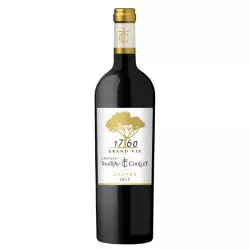
A full-bodied, complex red wine is defined by a firm tannic structure, dense aromatic concentration and an alcohol level often above average. These wines, made from powerful grape varieties grown in generous terroirs, need time to fully reveal their complexity, whether in the bottle or in the glass.
What makes a red wine full-bodied and complex ?
A full-bodied red wine is recognised by its power on the palate: present tannins, marked alcohol, and a dense texture that fills the mouth. Complexity, meanwhile, is measured by the layering of aromas, black fruit, spice, undergrowth, liquorice or cocoa, that evolve throughout the tasting. These wines are typically made from grape varieties with strong structural potential such as Syrah, Cabernet Sauvignon, Malbec or Mourvèdre, often aged in oak barrels which reinforces their woody character and ageing potential. The Fronsac appellation, on Bordeaux's right bank, perfectly illustrates this structured style, as do several appellations from our Languedoc Roussillon selection.
What to pair with a full-bodied, complex red wine ?
These powerful wines naturally find their place alongside rich, flavourful dishes. Game (venison, wild boar), grilled or sauce-braised red meat, duck, and hard, aged cheeses such as Comté or Mimolette all pair beautifully with their tannic structure. Their aromatic intensity also allows them to stand up to spiced or slow-cooked dishes, where rich sauces and spices won't overpower the wine. Find more pairing ideas on our Food & Wine Pairing page.
Frequently asked questions about full-bodied, complex red wines
What makes a red wine full-bodied or powerful ?
A red wine's power depends on several combined factors: tannin concentration from the grape skin and seeds, alcohol level, and density on the palate. Grape varieties such as Syrah, Cabernet Sauvignon or Mourvèdre, grown on warm, well-exposed terroirs, naturally produce more structured wines. Oak barrel ageing further accentuates this character by adding extra tannins and woody aromas.
Should you decant a full-bodied red wine before serving ?
Yes, this is highly recommended. Full-bodied, tannic red wines benefit significantly from being decanted between 30 minutes and 2 hours before serving, depending on their age and intensity. Aeration softens the tannins and fully releases the wine's bouquet, which is often closed immediately after opening the bottle.
How long can a full-bodied red wine be cellared ?
Thanks to their high tannic structure, full-bodied, complex red wines are particularly well-suited to ageing, typically between 5 and 15 years depending on the appellation and vintage. Great Bordeaux crus such as Saint-Estèphe or Pomerol can even improve over several decades, as the tannins gradually soften to reveal greater aromatic complexity.
What temperature should a full-bodied red wine be served at ?
A full-bodied red wine is best served between 16 and 18°C, slightly warmer than a light red wine. Served too cold, its tannins feel harsher and its aromas stay closed; served too warm, the alcohol becomes dominant and masks the wine's finesse. Taking the bottle out of the cellar about an hour before serving usually achieves this ideal temperature.
Which grape varieties produce the most powerful red wines ?
Several grape varieties are renowned for producing structured, powerful wines: Syrah in the Rhône Valley, Cabernet Sauvignon and Merlot in Bordeaux, Mourvèdre in southern France, and Malbec in Cahors. These varieties stand out for their richness in tannins and colour compounds, giving the wines a deep colour and a marked tannic structure.
Why are some full-bodied red wines aged in oak barrels ?
Oak barrel ageing allows the wine to oxygenate slowly, which gradually softens the tannins while adding complementary aromas of vanilla, toast or sweet spice. This technique, traditionally used in Bordeaux and the Rhône Valley, also strengthens the wine's ageing potential by stabilising its tannic structure over the long term.
Which full-bodied red wine pairs best with game ?
Game, whether venison, wild boar or stewed dishes, pairs ideally with powerful, structured red wines capable of standing up to the meat's intensity. Rhône appellations such as Châteauneuf-du-Pape or Saint-Joseph, as well as great South-West wines like Cahors, are classic choices thanks to their firm tannic structure and spiced notes that naturally complement this type of dish.
What is the difference between a full-bodied and a light red wine ?
A light red wine is characterised by soft tannins, a fluid texture on the palate and dominant freshness, often made from grape varieties such as Gamay or Pinot Noir. A full-bodied red wine, by contrast, has a more pronounced tannic structure, denser aromatic concentration and generally higher alcohol content, allowing it to pair with rich dishes without being overwhelmed by their intensity.