Delivery from €16,90 per winemaker in Europe (excluding the United Kingdom)


Cave du mois de Mars
March is the month of bud break, that moment when the first shoots emerge from the vine canes and the French vineyard comes back to life after winter. On our tables, it is also the return of spring meals, St Patrick's Day and Easter gatherings. Our March cave du mois embraces this renewal with the most diverse selection of the year: from Pauillac in Bordeaux to Corbières in Languedoc, from Alsace Riesling to independent grower Champagnes, fruity, accessible cuvées shipped directly from each partner estate's cellar.
Filtrer


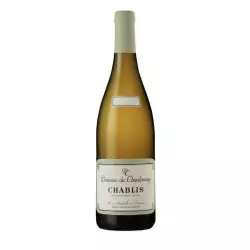


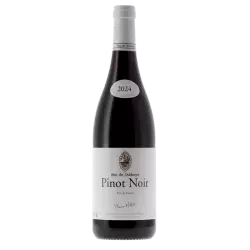


Cave du mois March: Pauillac, Corbières, Riesling & a tour of French vineyards for Easter, direct from the winemaker
March, bud break and a tour of French appellations
In the viticultural calendar, March marks bud break: the first leaves emerge from the buds, the vine stocks resume their activity after their winter rest, and across France's vineyards, work begins again, trellising, shoot removal, the first preventive treatments. It is a pivotal month, the one when the vintage begins to take shape. And it is precisely the spirit of our March cave du mois: a selection that crosses the French vineyard in all its diversity, from the terroirs of Burgundy to the confidential appellations of Languedoc, taking in the great names of Bordeaux and the aromatic whites of Alsace.
Among the highlights of this selection, Château Bellegrave, a Pauillac, an appellation of the Médoc ranked among the world's most prestigious, brings the depth and structure of great Cabernet-Sauvignon from the Gironde's gravel soils. At the other end of the spectrum, the Corbières wines from the Fontfroide abbey evoke a thousand years of viticultural history: this Cistercian abbey, founded in the 11th century in the Aude, was already cultivating the vine long before the appellation was formally recognised. Today, its cuvées perpetuate this bond between Languedoc terroir and monastic heritage.
St Patrick's Day, Easter, spring equinox: a cave for every March occasion
March gathers several occasions to open a beautiful bottle. St Patrick's Day (17 March), the Irish feast day embraced by the whole world, calls for a convivial meal, our selection of fruity reds and fresh whites is a perfect fit, as an alternative to the traditional pint of Guinness. Easter, often in March or early April, calls for precise pairings: a dry, mineral white with Good Friday fish, a generous red with the Easter lamb, a Champagne for the family aperitif.
The March cave also includes an Alsace Riesling, the king of dry and aromatic whites, at once taut, mineral and expressive, equally at home with spring asparagus and seafood. And for those who enjoy discovery, a Tannat from the South-West, a native variety from Madiran, renowned for its powerful tannins and imposing structure, here softened in a more approachable blend. On Avenue des Vins, all these cuvées are available through direct producer sales, with a selection of certified organic estates and Guide Hachette-recognised cuvées.
FAQ: Cave du mois de mars
What is bud break and why does it matter for wine ?
Bud break is the stage of the vine's growth cycle when the buds open to reveal the first shoots and leaves. It typically occurs in March–April in France, depending on the grape variety and climate. It is a critical moment for the winemaker: if a late frost strikes after bud break, it can destroy the young shoots and severely compromise the year's harvest. The timing of bud break directly influences the harvest calendar and the potential quality of the vintage.
What is the Pauillac appellation and why is it so prestigious ?
Pauillac is a communal appellation of the Médoc, on the left bank of the Gironde in Bordeaux. It is home to three of the five first classified growths of the 1855 classification, Château Latour, Château Lafite Rothschild and Château Mouton Rothschild, as well as numerous lower-ranked classified growths. Its wines, produced primarily from Cabernet-Sauvignon on deep gravel soils, are characterised by firm tannins, an imposing structure and exceptional ageing potential.
What is Tannat and what foods does it pair with ?
Tannat is a native red grape variety from the Pyrenean foothills, the principal grape of Madiran (a South-West AOC). Its name derives from its high tannin content, one of the highest among French grape varieties, which gives it a robust structure, a deep colour and notes of dark fruits, liquorice and spice. With age, its tannins soften to reveal great complexity. It pairs perfectly with duck confit, magret, grilled red meats and pressed-rind cheeses from the Pyrenees.
Which wine should you choose for an Easter meal ?
Easter meals call for differentiated pairings depending on the dish. For the Easter lamb, the quintessential Easter dish, a Bordeaux red or a Loire Cabernet Franc provides the structure needed to match the flavours of the meat. For Good Friday fish dishes, a Chablis or an Alsace Riesling are natural choices. And for the family aperitif, an independent grower Champagne, available direct from the producer on Avenue des Vins, will please everyone around the table.
What is Fontfroide Abbey and what is its connection to wine ?
Fontfroide Abbey is a Cistercian monastery founded in 1093 in the Aude département, at the heart of the Corbières appellation. The Cistercian monks, great champions of viticulture in the Middle Ages, helped shape the winemaking practices of many French regions. Today, the vineyards surrounding the abbey produce cuvées that carry the legacy of this historic Languedoc terroir, wines of character, available through direct producer sales on Avenue des Vins.