Delivery from €16,90 per winemaker in Europe (excluding the United Kingdom)


Burgundy red wines
Red wines from Burgundy captivate wine lovers seeking finesse, elegance and authenticity. Made almost exclusively from Pinot Noir, they offer a unique aromatic palette, cherry, raspberry, violet, with silky tannins that make them enjoyable young and remarkable with age. From regional appellations to Premier Crus, Burgundy covers every style and every budget.
Discover a selection of cuvées from independent estates, shipped direct from the domaine for a Burgundy red wine that is honest, authentic and fully traceable.
Filtrer
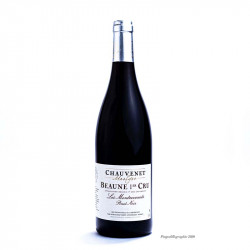






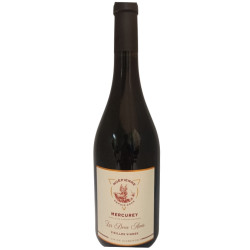
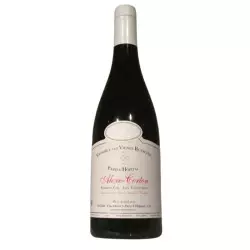


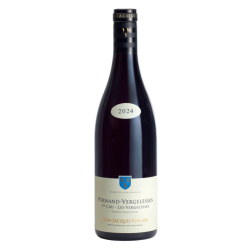


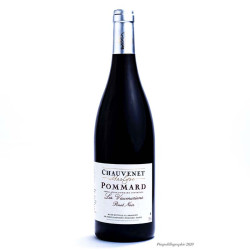
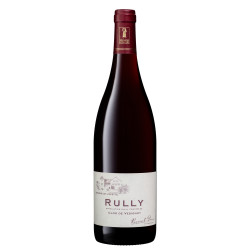
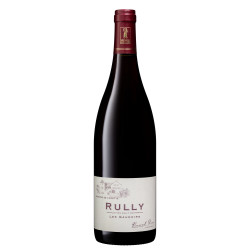
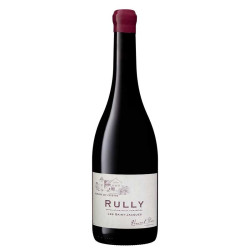


Discover our Burgundy red wines direct from the winemakers
Avenue des Vins offers you a selection of Burgundy red wines sourced exclusively from independent estates and winegrowers. Each bottle is chosen for its balance, fruit, and ability to accompany a fine meal.
You buy through a short supply chain. The wines are stored in the estates’ cellars and then shipped directly from the property. This model respects the winegrower’s work and preserves the quality of the red wines until they reach your cellar.
What is a Burgundy red wine ?
Behind this simple expression lies a great diversity of origins, villages, and styles, linked to the different terroirs of the region.
A Burgundy red wine is almost always made from Pinot Noir, the emblematic grape variety of the region. It produces wines that are often more refined than powerful, with a rather light color, delicate red fruit aromas, and an elegant palate.
Alongside this dominant grape variety, there are several other red grape varieties used in Burgundy, some rarer and others more localized. Here are the main ones:
Gamay
A red grape variety mainly authorized in the Bourgogne Passe-Tout-Grains appellation, where it is blended with Pinot Noir. It is also the main grape variety of Beaujolais, which historically forms part of the greater Burgundy region.
César
A very old grape variety, cultivated almost exclusively in Irancy (Yonne). It is blended with Pinot Noir to bring color, power, and structure.
Tressot
An ultra-confidential grape variety, still present in very small quantities in the Yonne, sometimes blended with Pinot Noir.
Ancient or local varieties (rare)
- Pineau d’Aunis: exceptionally present in certain old parcels
- Gamay de Chaudenay: a teinturier variety authorized in a few historic blends
- Pinot Liébault: an old selection of Pinot Noir, sometimes distinguished
These red wines are often even more fruity and indulgent, with great drinkability, making them ideal for discovering the region in all its viticultural richness.
The origin and terroirs of Burgundy red wine
Burgundy is a narrow wine-growing region stretching from north to south, from Chablis to the Côte Chalonnaise and beyond. Red wines come from often limestone slopes, divided into numerous regional and village appellations or classified as Premier Crus.
Each slope, each village, and each parcel brings its own nuance. The terroir produces wines that are more or less structured, with red fruit notes of varying intensity, sometimes complemented by floral or spicy touches.
How to choose your Burgundy red wine ?
Choosing a Burgundy red wine may seem intimidating at first glance. Yet a few simple guidelines are enough to find the bottle that suits you. Look at the stated style, the occasion, and the appellation level rather than the prestige of the name.
By style: light or more structured red wine
If you enjoy very fruity and easy-drinking red wines, choose wines described as indulgent, supple, or airy. They are perfect for a simple meal or a dinner for two.
For a more structured wine, suited to a slow-cooked dish or richer cuisine, choose cuvées from renowned slopes or well-known villages. They offer more substance, sometimes a light oak influence, and a longer aging potential.
By occasion: dinner for two, festive meal, beef bourguignon
Your wine will not necessarily be the same depending on the moment. You can, for example:
- Choose a light red wine for a simple dinner or a light charcuterie board
- Opt for something fuller-bodied for a festive meal or a roasted poultry dish
- Open a more concentrated cuvée for beef bourguignon or a slow-cooked meat dish
The key is to match the intensity of the wine with the richness of the dish.
According to your budget: fine discoveries from winegrowers
Burgundy can be impressive for its sometimes high prices, but there are many fine discoveries available at reasonable prices. Regional appellations and some lesser-known villages offer very high-quality wines.
On Avenue des Vins, the selection highlights these winegrowers’ cuvées that produce sincere Burgundy red wines, with real care given to both vineyard and cellar. This allows you to build a wine selection suited to your budget.
Which dishes should you serve with a Burgundy red wine?
Burgundy red wines are natural partners for elegant regional cuisine. Their fine structure and red fruit aromas make them ideal wines for many meals. They pair very well with delicate meats, slow-cooked dishes, and certain cheeses.
Roasted poultry and regional cuisine
A Burgundy red wine pairs perfectly with roasted poultry, free-range chicken, or guinea fowl. The finesse of Pinot Noir respects the texture of the meat and enhances the cooking juices.
It also works very well with bistro-style cuisine, such as pâté en croûte, terrine, or meat pie. These pairings allow you to enjoy the wine’s freshness and flavor without overpowering it.
Beef bourguignon, slow-cooked meats, and light game
Beef bourguignon remains the emblematic pairing with Burgundy. The wine is part of the recipe and then returns to the glass, creating a beautiful aromatic continuity.
These wines also pair well with more delicate slow-cooked meats, such as veal, braised pork, or certain light game dishes. They add depth without weighing down the meal.
Cheeses and convivial moments
For cheeses, opt for uncooked pressed cheeses, mild-flavored tommes, or a well-aged Reblochon. Burgundy then envelops the whole with its delicate aromas of red fruits and undergrowth, creating a subtle and flavorful harmony.
During a convivial moment with friends, a slightly chilled bottle pairs very well with a board of cheeses and mild charcuterie. It pleases everyone without ever overwhelming the flavors.
Why choose your Burgundy red wines on Avenue des Vins ?
On Avenue des Vins, Burgundy red wines come directly from estates and independent winegrowers. You benefit from a selection of wines sourced from the property, without unnecessary intermediaries.
The short supply chain helps preserve wine quality, with bottles kept in their original cellar until shipping. Each cuvée is tasted and selected for its expression of terroir, balance, and pleasure-to-price ratio.
Thanks to detailed product sheets, filters, and advice, you can compare several wines, discover different appellations in the region, and choose the bottle that best matches your meal. It is a simple and reliable way to discover our wine selection and enrich your cellar.
FAQ: Frequently Asked Questions about Burgundy Red Wines
Which grape variety is used for Burgundy red wines ?
Burgundy red wines are almost exclusively made from Pinot Noir. It produces elegant wines with delicate aromas of cherry, raspberry and violet, along with silky tannins. Some appellations also include Gamay or the rare César grape from Irancy.
What is the difference between a regional Burgundy and a Premier Cru ?
Burgundy wines follow a four-level hierarchy: regional appellations, village wines, Premier Crus and Grand Crus. Each level reflects increasing precision, complexity and aging potential.
How long can Burgundy red wines be aged ?
Regional wines are best enjoyed within 3–6 years, while village wines can age 8–12 years. Premier and Grand Crus can evolve for 15–30 years, developing complex tertiary aromas.
What is the ideal serving temperature ?
Serve Burgundy reds slightly chilled, between 14–16°C. Lighter wines can be served closer to 13°C.
Which Burgundy wine pairs with beef bourguignon ?
Use a Burgundy wine for cooking, then serve a slightly higher-level wine such as Mercurey or Hautes-Côtes-de-Nuits for a perfect pairing.
What is the difference between Burgundy and Bordeaux red wines ?
Burgundy (Pinot Noir) is lighter and more aromatic, while Bordeaux is more powerful and structured, built for longer aging.
Why buy Burgundy red wines directly from producers ?
Buying directly ensures freshness, full traceability and fair pricing, with wines shipped straight from the estate without intermediaries.