Delivery from €16,90 per winemaker in Europe (excluding the United Kingdom)


AOC Rasteau
Spanning over 65,000 hectares of vineyards, the Rhône Valley wine region is France’s second-largest AOC wine region and covers six departments between Vienne and Avignon. It is home, in particular, to the Rasteau AOC. The appellation area of this AOC extends north of Avignon across three municipalities (Rasteau, Cairanne and Sablet) on soil composed of sand and clay. Grenache vines, influenced by the Mediterranean climate of this geographical area, are planted within this appellation and are used to produce Vins Doux Naturels (VDN) in white, garnet, brick-red, rosé, amber, hors d’âge and rancio styles through ‘mutage’ (a production method involving the addition of alcohol to halt the fermentation of the grape must). These are pleasant wines known for their fruity palate (dried, ripe and candied fruits, honey, spices) and their good ageing potential (10 years and beyond).
Filtrer
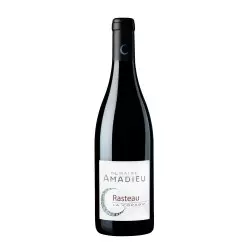
Rasteau: A Winegrowing Heritage Dating Back to Antiquity
Rasteau ranks among the crus of the Côtes du Rhône, and its wine is above all a dry red: the Vins Doux Naturels (fortified sweet wines) that built its reputation are now made in small quantities. Facing the Dentelles de Montmirail, this Haut-Vaucluse village turns out heady, firmly structured reds that can age.
Grenat, Tuilé, Ambré: Decoding the Labels of Sweet Rasteau
On a bottle of Rasteau Vin Doux Naturel, a mention always goes with the appellation name: it tells you the wine's color and how it was aged. "Grenat," the red style, contains at least 75% Grenache Noir.
Like the "blanc" (white), it ages away from air until at least May 1 after the harvest, then goes into bottle young, with its vintage on the label. Grenat often brings ripe stone fruit, while the white leans toward flowers and honey.
"Tuilé" and "ambré" age in contact with air, until at least March 1 of the third year after the harvest. The red takes on a brick-red, tile-like tint, the white an amber hue.
Two optional mentions can follow an ambré or a tuilé. "Hors d'âge" signals aging extended until at least September 1 of the fifth year. "Rancio" is reserved for wines that have developed, over long aging, a distinctive flavor often likened to walnut, with notes of dried fruit and roasted aromas.
Keep this in mind: grenat and blanc for youthful fruit; tuilé, ambré and hors d'âge for the flavors of long aging.
History of the AOC Rasteau Appellation
Nestled in the Vaucluse region at the heart of the southern Rhône Valley, Rasteau boasts a rich viticultural heritage dating back to antiquity. Known for the quality of its wines since the Middle Ages, Rasteau was officially recognized as an AOC for its sweet fortified wines in 1944 and for its still wines in 2010.
Climate and Terroir of the AOC Rasteau
- Climate: Rasteau enjoys a Mediterranean climate, characterized by hot, dry summers which favor the optimal ripening of grapes.
- Soils: The terroir consists of clay-limestone soils and stony terraces that reflect heat and contribute to the concentration of aromas in the grapes.
Grenache: The Signature Grape of AOC Rasteau
Grenache is the dominant grape variety in AOC Rasteau, whether for red, rosé, or white wines. In addition to Grenache, the appellation produces blended wines with a wide variety of grape varieties, including:
-
Red and Rosé Wines:
- Syrah
- Mourvèdre
- Cinsault
- Carignan
- Counoise
-
White Wines:
- Clairette
- Grenache Blanc
- Grenache Gris
- Roussanne
- Bourboulenc
- Viognier
- Marsanne
Style of AOC Rasteau Wines
-
Red Wine: These wines have a deep red color that ranges from ruby to garnet with age. The nose is marked by complex aromas of ripe black fruits, licorice, and sweet spices. On the palate, AOC Rasteau reds are structured and full-bodied, offering a great breadth and silky tannins.
-
White or Amber Sweet Wine: These wines exhibit an intense golden color with amber highlights. The bouquet reveals notes of dried fruits (walnuts, roasted hazelnuts), candied fruits, honey, or caramel. AOC Rasteau white or amber sweet wines offer a smooth and luscious mouthfeel with a long aromatic persistence.
Best Food Pairings with AOC Rasteau Wines
Here are some recommendations for pairing AOC Rasteau wines from a domaine or château:
-
Red Wine:
- Grilled lamb chops
- Daube avignonnaise (Provençal lamb stew)
- Peking duck
-
White or Amber Sweet Wine:
- Foie gras
- Tarte Tatin
- Blue cheese
-
Rosé Wine:
- Tapas
- Ratatouille
Rasteau in Practice: Grapes, Sugar and the Mistral
Where do the grapes for red Rasteau come from?
The grapes for red Rasteau are harvested in the village of Rasteau alone. The wine can then be made and aged in Rasteau, Cairanne or Sablet, or, by special exemption, in eleven nearby villages. The Vins Doux Naturels can also come from a few plots in Cairanne and Sablet.
What sugar and alcohol levels does a Rasteau Vin Doux Naturel reach?
A Rasteau Vin Doux Naturel keeps at least 45 grams of sugar per liter and reaches at least 15% alcohol by volume. It starts from grape must with at least 252 grams of sugar per liter, fortified with neutral grape spirit before December 31 of the harvest year.
How is the Rasteau vineyard sheltered from the mistral?
The Rasteau vineyard is partly sheltered from the mistral by the surrounding hills. Its south-facing slopes soak up the heat without taking the full force of this north wind, which pushes Grenache to high ripeness.
Where can you buy Rasteau direct from the winemaker?
You can buy Rasteau direct from the winemaker on Avenue des Vins. The wine comes to you directly from the producer who made it.
See also: AOC Côtes du Rhône Villages Séguret - AOC Beaumes-de-Venise - AOC Vinsobres