Delivery from €16,90 per winemaker in Europe (excluding the United Kingdom)


AOC Muscat de Rivesaltes
AOC Muscat de Rivesaltes: The Sweet Wines of the Mediterranean. Explore AOC Muscat de Rivesaltes, a renowned appellation famous for its sweet wines with captivating aromas. Discover the grape varieties and specifics that make these wines a delightful choice for aperitifs or desserts. This natural sweet wine is always white and made from Muscat à petits grains, Muscat of Alexandria or both, in nearly a hundred villages of the Pyrénées-Orientales and the Aude. The appellation only takes plots with shallow, dry, stony, well-drained soils, where short pruning is favored.
Filtrer


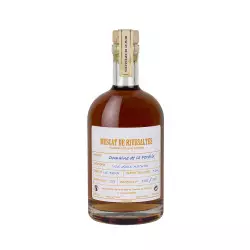

Muscat de Noël: A Year-End Muscat de Rivesaltes
Today, Muscat de Rivesaltes comes mainly from four areas: the Aude coast around Leucate; the Crest, a broad plateau of rounded stones between Rivesaltes and Salses; the terraces of the Agly Valley; and the hills of Les Aspres. Around Banyuls and Maury, the soils are better suited to Grenache Noir.
Muscat de Noël, Bottled by December 1
Muscat de Noël is a Muscat de Rivesaltes released for sale from the third Thursday in November, just weeks after harvest. Since 1999, the term has honored a family custom in and around Rivesaltes: drinking “the Muscat of the year” at Christmas.
To keep it young, it is bottled without being moved, no later than December 1, at the estate that grew and made it or at the wine cooperative whose members picked the grapes. The vintage always appears on the label, and the words “Muscat de Noël” must be at least half the height of the appellation name.
In the glass, it shows a pale gold color and aromas that often recall white-fleshed fruit, fresh citrus, tropical fruit, mint or rose. All other Muscat de Rivesaltes wines age at least until February 15 after the harvest and go on sale only from that date.
History of the AOC Muscat de Rivesaltes
Located in the heart of Roussillon in southern France, the Muscat de Rivesaltes appellation is particularly renowned for its sweet natural wines. With a winemaking tradition that spans several centuries, these natural sweet wines from the region were once favored by the kings of France. The exceptional terroir combined with the meticulous vinification of Muscat has led to the creation of these aromatic and enchanting sweet wines.
Climate and Terroir of the AOC Muscat de Rivesaltes
- Climate: The region benefits from a Mediterranean climate marked by hot summer temperatures and winds such as the Tramontane. This climate is conducive to the optimal ripening of the grapes.
- Soils: The vineyards of Rivesaltes extend over varied soils ranging from schists to clays and rolled pebbles, which impart great complexity to the wines.
Key Grape Varieties of the AOC Muscat de Rivesaltes
The Muscat à petits grains and Muscat of Alexandria are the two flagship grape varieties of the AOC Muscat de Rivesaltes. Known for their exceptional aromatic potential, Muscat grapes give rise to opulent wines with pronounced notes of exotic fruits, white flowers, and citrus. This aromatic cocktail is referred to as a "muscaté" bouquet.
Style of AOC Muscat de Rivesaltes Wines
Appearance: Golden color, bright with orangey reflections after a few years of aging.
Nose: An intense bouquet of fresh grapes, exotic fruits, honey, apricot, and sweet spices.
Palate: Generous and smooth, the palate of AOC Muscat de Rivesaltes sweet white wines offers a beautiful harmony between sweetness and freshness, with a persistent and complex finish.
Serving Temperature: 8°-10°C
Aging Potential: While these wines can be enjoyed young to savor their aromatic explosion, they also have excellent aging potential, evolving towards more candied and spicy notes over 2 to 10 years.
Best Food Pairings with AOC Muscat de Rivesaltes Wine
Here are the best food and wine pairings to accompany a bottle of sweet white wine from a domaine or château in AOC Muscat de Rivesaltes:
- Lemon meringue tart
- Foie gras toast
- Apricot clafoutis
- Blue cheese (Fourme d'Ambert, Bleu d'Auvergne)
- Aperitif
Muscat de Rivesaltes FAQ: Sugar, Muscat Romain and the Merchants’ Town
How much sugar does Muscat de Rivesaltes contain?
Muscat de Rivesaltes contains at least 100 grams of sugar per liter, more than twice the minimum for a Rivesaltes (45 grams). That sugar comes from the grapes alone, picked with at least 252 grams of sugar per liter of must, since enrichment is banned. The wine is at least 15% alcohol.
What is Muscat of Alexandria called in Roussillon?
In Roussillon, Muscat of Alexandria also goes by the local name Muscat Romain. A later-ripening grape than Muscat à petits grains that needs plenty of heat and sun, it gives Muscat de Rivesaltes body, with aromas of ripe fruit, raisins and rose. It also goes into Rivesaltes Ambré in small amounts.
Why does Muscat de Rivesaltes carry the name Rivesaltes?
Muscat de Rivesaltes is named after the town where most of the wine merchants were based. In 1936, Roussillon’s muscats were sold under five names, including Muscat de Banyuls and Muscat de Maury; at the merchants’ request, they were combined into a single appellation, recognized by decree on August 29, 1956.
Where can you buy Muscat de Rivesaltes direct from the winemaker?
You can buy Muscat de Rivesaltes, sold by the producer, on Avenue des Vins. Each wine’s page names the producer who made it.
See also: AOC Maury - AOC Côtes du Roussillon Villages - IGP Côtes Catalanes