Delivery from €16,90 per winemaker in Europe (excluding the United Kingdom)


AOC Côtes du Roussillon Villages
Côtes du Roussillon Villages is a red-only AOC in the sunny south of Languedoc-Roussillon, in France’s Pyrénées-Orientales department. Its vineyards span 51 communes or parts of communes, from the Agly Valley to Les Aspres, and cover about 1,625 hectares (roughly 4,000 acres) of schist, granite, limestone and gneiss. Grenache, Syrah, Mourvèdre and Carignan, grown in a Mediterranean climate, make red wines that reflect their terroirs: smooth, with delicate tannins.
Filtrer


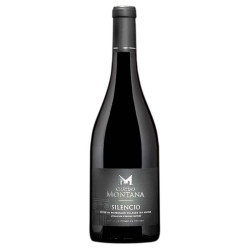

Caramany and Lesquerde: Carignan by Carbonic Maceration
North of the Têt River, the Agly shapes the appellation: it cuts steep gorges through the Fenouillèdes hills, opens onto the Estagel basin, then crosses the limestone foothills of the Corbières toward the sea. South of the Têt, the vines climb the hills of the Réart basin. Everywhere, the selected plots share poor, dry, stony, well-drained soils.
Five Designations, From Gneiss to Molasse
In Caramany, Syrah benefits from cool gneiss soils, and Carignan must be made by carbonic maceration. The wines come out supple and fresh, with black fruit and spice.
In Lesquerde, Carignan also goes through carbonic maceration, which softens its tannins, while Syrah and Grenache ripen slowly on poor, high-elevation granite sands (arènes granitiques).
Latour-de-France lies where the Agly leaves the hills. Grenache thrives on its warm soils, Carignan on its sun-drenched slopes and Syrah on cooler ground; the wines show wild, spicy notes and age well.
Tautavel, in the Verdouble Valley, grows Grenache on lean, stony, arid clay-limestone slopes, while Syrah and Mourvèdre find the coolness they need down in the valley.
Les Aspres, south of the Têt, sits on stony, gravelly molasse deep enough to ease the drought; each wine there blends at least three grape varieties, with the top two capped at 90% together. In both Tautavel and Les Aspres, the wine ages at least until September 15 after the harvest.
History of the AOC Côtes-du-Roussillon-Villages
The AOC Côtes-du-Roussillon-Villages is deeply rooted in the Languedoc-Roussillon vineyard in southern France, renowned for its exceptional red wines. Its history dates back to antiquity when the Greeks first planted vineyards in the region as early as the 7th century BC. Today, the AOC Côtes-du-Roussillon-Villages spans 51 communes or parts of communes, four of which give their name to a geographical designation: Latour-de-France, Tautavel, Caramany, and Lesquerde, focusing on the production of exceptional red wines.
Climate and Terroir of the AOC Côtes-du-Roussillon-Villages
Climate: The Mediterranean climate, with hot, dry summers, contributes to the perfect ripening of the grapes. The proximity of the Pyrenees also brings beneficial coolness.
Soils: The terroir is heterogeneous, with a predominance of schist, gneiss, and clay, giving the wines great complexity and unique structure.
Key Grape Varieties of the AOC Côtes-du-Roussillon-Villages
The AOC Côtes-du-Roussillon-Villages is characterized by red wines made primarily from Grenache Noir, Syrah, Mourvèdre, Lledoner Pelut, and Carignan. These red grape varieties each bring their unique character, creating rich and varied blends.
Style of AOC Côtes-du-Roussillon-Villages Wines
Appearance: The wines of the AOC Côtes-du-Roussillon-Villages have a deep red color with shades of purple and black cherry.
Nose: The aromatic bouquet is rich, dominated by notes of ripe black fruits, garrigue, spices, and sometimes vanilla or toasted notes from barrel aging.
Palate: On the palate, these wines are powerful and complex, with well-present but elegant tannins. The balance between creaminess and intense aromatics offers a beautiful, long finish.
Serving Temperature: Ideally between 16°C and 18°C (61°F to 64°F).
Aging Potential: These wines have good aging potential, ranging from 3 to 8 years or more, depending on the vintage and the estate.
Best Food Pairings with a Wine from AOC Côtes-du-Roussillon-Villages
Here are some recipe ideas to enhance your tasting experience with a red wine from an estate or château in AOC Côtes-du-Roussillon-Villages:
- Game Stew: Rich and hearty, game stews pair well with the robust tannins and complex flavors of the wine.
- Stuffed Beef Rolls ("Alouettes sans tête"): The savory and herbal flavors in this dish complement the wine's notes of garrigue and spices.
- Duck Breast Fillets: The wine's fruitiness and tannins balance the richness and slight sweetness of duck.
- Wild Boar Sausage: The intense flavors of wild boar match well with the powerful and spicy character of the wine.
- Cassoulet de Castelnaudary: This traditional, slow-cooked dish with beans and various meats pairs beautifully with the wine's complexity and body.
Côtes du Roussillon Villages FAQ: Labels, Sugar and Key Dates
What does Tautavel or Caramany mean on a Côtes du Roussillon Villages label?
On a Côtes du Roussillon Villages label, Tautavel or Caramany is a complementary geographical designation. The grapes then come from that sector’s delimited plots, and the wine follows the grape mix and aging set for that designation. The name may never appear in larger type than the appellation name.
Is Côtes du Roussillon Villages a dry wine?
Côtes du Roussillon Villages is always a still, dry red wine. Its sugar content stays at or below 3 g/l, rising to 4 g/l once its natural alcohol hits 14% ABV. Roussillon’s fortified sweet wines (vins doux naturels) belong to other appellations, such as Maury or Rivesaltes.
When were the Côtes du Roussillon Villages designations created?
The first Côtes du Roussillon Villages designations, Caramany and Latour-de-France, date from 1977, the year the appellation was created. Lesquerde followed in 1995, Tautavel in 1997 and Les Aspres in 2017.
Where can you buy Côtes du Roussillon Villages direct from the winemaker?
You can buy Côtes du Roussillon Villages, sold by the producer, on Avenue des Vins. Every wine’s page gives the name of its producer.
See also: AOC Côtes du Roussillon - AOC Maury - IGP Côtes Catalanes