Delivery from €16,90 per winemaker in Europe (excluding the United Kingdom)

Sieur d Arques
Sieur d'Arques in Limoux: Blanquette and Crémant de Limoux from 195 growers, direct from the cellar...
Lire plus

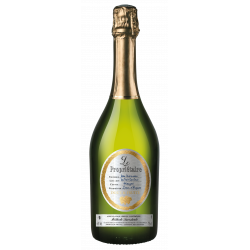
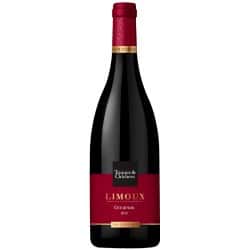
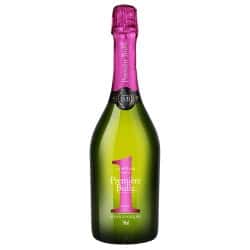

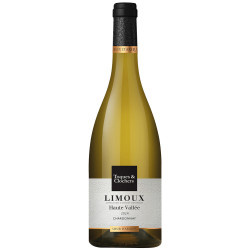




Discover Sieur d Arques in photos


Sieur d'Arques: the historic reference of the bubbles of Limoux
Sieur d'Arques
The house of the bubbles of Limoux for nearly five centuries: the world's first bubble was born here in 1531. Founded in 1946, it brings together 195 winegrowers, 95% of the vineyard in HVE: Blanquette, Crémant de Limoux, great Chardonnays and committed cuvees, between tradition and a sustainable vision.
In Limoux, long before bubbles became a global symbol of celebration, they already existed. Sieur d'Arques does not follow a trend: the house has been writing the history of sparkling wines for nearly five centuries, combining heritage, technical precision and environmental commitment. Here, the bubbles do not seek to impress: they seek to ring true.
The world's first bubble was born here, in 1531
It was in 1531, at the Abbey of Saint-Hilaire, that the Benedictine monks discovered by chance the natural fermentation of a still white wine: the world's first bubble had just been born, long before Champagne. This ancestral know-how, passed down from generation to generation, is today embodied by Sieur d'Arques, officially founded in 1946 by winegrowers determined to take their destiny in hand and to protect the unique identity of Limoux.
|
||
|
||
|
||
|
Limoux, a terroir apart in the Languedoc
The Limoux vineyard is a true geographical exception: an altitude between 200 and 500 metres, combined Mediterranean, Atlantic and Pyrenean influences, and clay-limestone soils with strong natural drainage. The result: a natural freshness rare in the Languedoc, ideal for producing great sparkling wines and high-level Chardonnay whites. Sieur d'Arques was a pioneer of single-parcel selection, identifying four great terroirs to match each grape to its microclimate, in the spirit of a large-scale winegrower but never industrial.
Traditional method and ancestral method: two strong signatures
The traditional method, used for Blanquette de Limoux and Crémant de Limoux, relies on a second fermentation in bottle: the wines gain in finesse and complexity, with elegant, persistent bubbles. The ancestral method, rarer and more mysterious, relies on an emblematic Limoux grape, Mauzac: naturally sweet, lightly alcoholic, fruity and without artifice, it seduces with its authenticity and immediate indulgence.
Sparkling and still wines: the Limoux signature
From historic bubbles to great Chardonnays, from refined reds to committed cuvees, here are the wines that embody the richness of the house. To discover direct from the estate.
Première Bulle
Crémant de Limoux - traditional method (Brut, Rosé, Premium)
The house's emblematic sparkling cuvee: fine, persistent bubbles, in Brut, Rosé Brut and Premium by Soca, the elegance of Crémant de Limoux.
Blanquette de Limoux
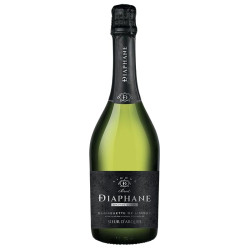
AOC Blanquette de Limoux - traditional method (incl. Diaphane)
The oldest of the bubbles, with a second fermentation in bottle: finesse and complexity, including the Diaphane cuvee (Brut and Demi-Sec).
Première Bulle Gourmande
Blanquette de Limoux - ancestral method (Mauzac)
The ancestral bubble, on the Mauzac grape: naturally sweet, lightly alcoholic, fruity and without artifice, for immediate indulgence.
Sieur d'Arques Extra-Brut & Blason Rouge
Crémant de Limoux - sparkling
Precise, festive Crémant de Limoux: the taut, straight Extra-Brut, and the Blason Rouge (Brut) and Blason Rouge Rosé cuvees.
Toques & Clochers
AOC Limoux - whites (barrel-aged Chardonnay)
The prestige single-parcel selection (Haute Vallée, Océanique, Marin, Autan terroirs): among the greatest Chardonnays of the South, celebrated by the famous auction.
Les Bénédictins
AOC Limoux - white & red
A tribute to the monks of Saint-Hilaire: a Limoux white (barrel-aged Chardonnay) and a refined, elegant Limoux red.
Occursus & Pure Velvet-Marselan
AOC Limoux / red wine - reds
Characterful reds: Occursus, structured and elegant, and Pure Velvet (Marselan), round and generous.
Cuvée du Soleil Rosé
Rosé - gastronomic
A precise, gastronomic rosé, on freshness and fruit, ideal as an aperitif and at the table.
Blanquette and Crémant de Limoux, direct from the house
Responsible wines, designed for tomorrow
At Sieur d'Arques, performance is not measured only in volumes, but also in positive impact: 95% of the vineyard HVE-certified (goal 100% High Environmental Value), total abandonment of CMR-classified plant-protection products, development of organic and no-added-sulphite cuvees, respect for the winegrowers, the consumers and nature. The no-sulphite Chardonnay is the emblematic example: a straight, pure, precise wine, acclaimed by lovers of more digestible, truer wines.
A collective, human and committed house
Behind Sieur d'Arques, 195 winegrowers, creative oenologists and passionate cellar teams, in a governance attentive to gender equality and wellbeing at work. A modern cooperative house, where the human dimension remains at the heart of every decision, and where the famous Toques & Clochers auction celebrates the greatest whites of Limoux.
Why choose the Sieur d'Arques wines?
The cradle of bubbles. The world's first bubble was born in Limoux in 1531, long before Champagne.
Two methods, two styles. The traditional method (Blanquette, Crémant) and the ancestral method (Mauzac), two strong signatures.
Great Chardonnays. The barrel-aged AOC Limoux whites and the Toques & Clochers single-parcel selection, a world reference.
A committed house. 195 winegrowers, 95% of the vineyard in HVE, organic and no-added-sulphite cuvees.
Frequently asked questions about Sieur d'Arques
Where is Sieur d'Arques located?
In Limoux, in the Aude (Languedoc), a terroir apart: altitude between 200 and 500 metres, combined Mediterranean, Atlantic and Pyrenean influences, clay-limestone soils with strong drainage. A rare natural freshness, ideal for great sparkling wines and Chardonnays.
What is the history of Sieur d'Arques?
It was in 1531, at the Abbey of Saint-Hilaire, that the Benedictine monks discovered the world's first bubble, long before Champagne. This know-how is today embodied by Sieur d'Arques, officially founded in 1946 by winegrowers determined to protect the identity of Limoux.
What is the difference between the traditional method and the ancestral method?
The traditional method (Blanquette and Crémant de Limoux) relies on a second fermentation in bottle, for fine, complex, persistent bubbles. The ancestral method, rarer, relies on the Mauzac grape: a naturally sweet, lightly alcoholic, fruity wine without artifice.
What is the difference between Blanquette and Crémant de Limoux?
Blanquette de Limoux is historically linked to Mauzac (in traditional or ancestral method), while Crémant de Limoux gives pride of place to Chardonnay and Chenin, in the traditional method: more vinous and complex. Two appellations, two styles of bubbles.
What is Mauzac?
The emblematic grape of Limoux, at the heart of the ancestral method: it gives naturally sweet, fruity (apple, pear) and lightly alcoholic bubbles of great authenticity.
What is Toques & Clochers?
Sieur d'Arques' prestige single-parcel selection, which identifies four great Limoux terroirs (Haute Vallée, Océanique, Marin, Autan) to produce great barrel-aged Chardonnays. It is also a famous auction, a world reference for lovers of great white wines.
Is the estate committed to the environment?
Yes: 95% of the vineyard is HVE-certified (with a goal of 100% High Environmental Value), with the total abandonment of CMR-classified plant-protection products and the development of organic and no-added-sulphite cuvees, such as the CHARDO Chardonnay.
What is the no-sulphite Chardonnay of Sieur d'Arques?
The CHARDO by Sieur d'Arques cuvee: a straight, pure, precise Chardonnay, made with no added sulphites, acclaimed by lovers of more digestible, truer wines.
How many winegrowers make up the house?
Sieur d'Arques brings together 195 winegrowers, creative oenologists and passionate cellar teams, in a modern cooperative governance attentive to gender equality and wellbeing at work.
What still wines does Sieur d'Arques produce?
AOC Limoux whites (Chardonnay compulsorily barrel-aged, among the greatest of the South), refined, elegant AOC Limoux reds, and precise, gastronomic rosés.
How to choose between ancestral Blanquette and traditional Crémant?
For a sweet, fruity, indulgent bubble, choose the Blanquette in the ancestral method (Mauzac); for a finer, drier, more complex bubble, opt for the Crémant de Limoux in the traditional method (Chardonnay). It all depends on your taste and the occasion.
Can you buy the Sieur d'Arques wines directly?
Yes: the cuvees are available here, direct from the house, carefully shipped across France and Europe.
Direct from the house, bubbles of Limoux
Sieur d'Arques - the historic reference of the bubbles of Limoux (Aude): the world's first bubble in 1531, house founded in 1946, 195 winegrowers, 95% HVE.
Premiere Bulle, Blanquette de Limoux, Cremant de Limoux, Toques & Clochers, CHARDO no-sulphite, Les Benedictins and Cuvee du Soleil
Discover our wines in video