Delivery from €16,90 per winemaker in Europe (excluding the United Kingdom)

La Cave des Vignerons de Tursan
La Cave des Vignerons de Tursan, a Landes cooperative since 1958: Tursan reds, whites and rosés. Direct from the estate...
Lire plus


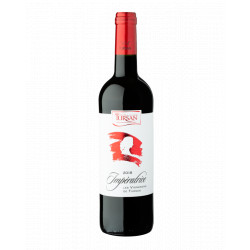
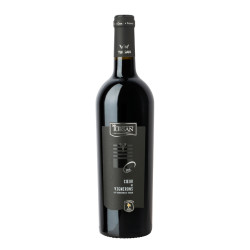


Discover La Cave des Vignerons de Tursan in photos


Tursan wines: 2,000 years of history and a true Landes character
The Cave des Vignerons de Tursan - AOP Tursan and IGP Landes, between Dax and Mont-de-Marsan
Tursan is a confidential Landes vineyard of around 500 hectares, united since 1958 around a cooperative winery, under AOP Tursan and IGP Landes.
Between Dax and Mont-de-Marsan, just beyond the great Landes forest, Tursan hides a discreet but far from timid vineyard. More than 2,000 years of history, a cooperative winery since 1958, the rare Baroque grape: fresh whites, gourmand rosés and structured reds, to discover direct on Avenue des Vins.
In South-West France, between Dax and Mont-de-Marsan, just beyond the great Landes forest, hides a discreet vineyard… but far from timid. Tursan wines carry a history that begins more than 2,000 years ago, in Gallo-Roman times, when these wines already featured on the tables of the powerful. This “little local wine” clearly has a solid memory.
Over the centuries, Tursan travelled. In the Middle Ages, it is found in the great cities of Spain, England and Flanders, carried by gabarres on the Adour before setting sail. Then history grew harsher: commercial crises, overproduction, royal decisions… until the vine was reborn, structured and modernised.
|
||
|
||
|
||
|
||
|
A cooperative winery run like a great estate
The true turning point came in 1958 with the creation of the cooperative winery. Today it brings together committed winegrowers and sustains a vineyard of around 500 hectares, for an annual production close to 30,000 hectolitres under AOP Tursan and IGP Landes. The spirit is clear:
One cellar, one shared vision. The union of winegrowers in the service of a single standard.
A rigorous selection of grapes. Sorting and plot-by-plot monitoring to keep only the best.
Wines faithful to the terroir. Accessible and enjoyable to drink, without ever betraying their origin.
A natural, confidential terroir that makes the difference
Tursan rests on a true mosaic of plots, often set on slopes and enjoying favourable exposures facing the Pyrenean foothills. Four main soil types structure the vineyard and explain the diversity of styles:
Clay-limestone soils. Structure and depth.
Silts and fine gravels. Suppleness and fruit.
Tawny sands. Finesse and appeal.
Rolled pebbles. Ripeness and power.
This diversity makes it possible to produce both fresh, fruity wines and more structured cuvees, able to age, depending on the plots and the winemaking choices.
The grapes of Tursan: local identity and a Landes gem
Here, grape varieties are not chosen for their fame but for their perfect adaptation to a climate blending oceanic and Pyrenean influences.
Whites AOP Tursan. Baroque (a rare, typically Landes grape), Gros Manseng and Sauvignon Blanc.
Reds and rosés AOP Tursan. Tannat, Cabernet Franc, Cabernet Sauvignon, Fer Servadou and Merlot.
IGP Landes. Colombard, Arriloba, Petit Manseng or Egiodola, for an extra freedom of expression.
Red, rosé and white wines made for pleasure
The average production split illustrates the balance sought: around 40% red wines, 40% rosé wines and 20% white wines. The harvest is carried out with precision: ripeness monitoring, plot-by-plot picking, separate vinifications and particular attention to freshness, especially for whites and rosés, often harvested at night.
Aromatic whites. Clean and very fresh.
Fruity rosés. Gourmand, never caricatural.
Structured reds. With fruit and sometimes oak ageing, able to evolve well over time.
As vintages and availability change, the selection shown on Avenue des Vins may vary; here are the main families of Tursan wines.
Baroque - White AOP Tursan
A rare, typically Landes grape, the signature of Tursan whites.
Whites AOP Tursan
Gros Manseng and Sauvignon Blanc: aromatic, clean and very fresh whites.
Rosés AOP Tursan
Fruity, gourmand and never caricatural, often harvested at night.
Reds AOP Tursan
Tannat, Cabernets, Fer Servadou, Merlot: structured, fruity, sometimes oak-aged.
IGP Landes
Colombard, Arriloba, Petit Manseng, Egiodola: an extra freedom of expression.
Careful shipping across France and Europe
Quality, environment and responsibility
The winery and its winegrowers are part of a sustainable, responsible approach, with various certifications depending on the estates and cuvees:
HVE. High Environmental Value.
Agriconfiance. A recognised quality and traceability approach.
Organic Farming. For certain cuvees of the vineyard.
The goal is constant: to improve quality vintage after vintage, reduce inputs, preserve biodiversity, better manage water and energy, modernise the tools and develop wine tourism. To make good wine, and to make it cleanly.
How do you recognise a good Tursan wine, whether red, white or rosé, and which typical South-West dishes should you pair it with to delight every time?
Why choose Tursan wines
A characterful vineyard. More than 2,000 years of history and a confidential Landes terroir, between Dax and Mont-de-Marsan.
The Baroque grape. A rare white gem, typical of the Landes and a marker of the appellation.
A committed cooperative. Since 1958, winegrowers united around the same demand for quality.
A sustainable approach. HVE, Agriconfiance and Organic Farming for certain cuvees.
Direct from the vineyard. You order as close as possible to the winegrowers, with careful shipping across France and Europe.
Your questions about Tursan wines
Where is the Tursan vineyard located?
Tursan is in South-West France, in the Landes, between Dax and Mont-de-Marsan, just beyond the great Landes forest. The vineyard covers around 500 hectares, on slopes facing the Pyrenean foothills.
What is the history of Tursan wines?
The history of Tursan begins more than 2,000 years ago, in Gallo-Roman times, when these wines already featured on the tables of the powerful. In the Middle Ages, it travelled to Spain, England and Flanders, carried by gabarres (flat-bottomed boats) on the Adour.
What is the Cave des Vignerons de Tursan?
The Tursan cooperative winery was founded in 1958. It brings together committed winegrowers around a shared vision: a single cellar, a rigorous selection of grapes and wines faithful to the terroir, accessible and enjoyable to drink.
Which appellations do Tursan wines produce?
The vineyard produces under AOP Tursan (reds, rosés and whites) and IGP Landes, for an annual production close to 30,000 hectolitres. IGP Landes further widens the palette of grapes and styles.
What are the soils of Tursan?
The vineyard rests on four main soil types: clay-limestone (structure and depth), silts and fine gravels (suppleness and fruit), tawny sands (finesse and appeal) and rolled pebbles (ripeness and power). This mosaic explains the diversity of styles.
Which grape varieties are grown in Tursan?
In AOP Tursan, the whites rely on Baroque (a rare, typically Landes grape), Gros Manseng and Sauvignon Blanc; the reds and rosés on Tannat, Cabernet Franc and Sauvignon, Fer Servadou and Merlot. IGP Landes adds Colombard, Arriloba, Petit Manseng or Egiodola.
What is the Baroque grape?
Baroque is a rare white grape, typical of the Landes and a true gem of Tursan. It yields aromatic, clean and very fresh white wines, markers of the appellation's identity.
What is the split between reds, rosés and whites?
Production is balanced: around 40% red wines, 40% rosé wines and 20% white wines. Enough to cover every moment, from the aperitif to the table.
How are Tursan wines made?
The harvest is carried out with precision: ripeness monitoring, plot-by-plot picking, separate vinifications and particular attention to freshness, with whites and rosés often harvested at night to preserve their aromas.
Are Tursan wines committed to sustainability?
Yes. The winery and its winegrowers are part of a sustainable, responsible approach, with various certifications depending on the estates and cuvees: HVE (High Environmental Value), Agriconfiance and Organic Farming for certain cuvees.
How do you recognise a good Tursan wine?
A good Tursan is recognised by its freshness and clarity: aromatic, lively whites, fruity and gourmand rosés without excess, structured reds with frank fruit, sometimes rounded by oak ageing and able to evolve well over time.
Which dishes pair with Tursan wines?
The fresh whites elevate fish, seafood and ewe's-milk cheeses; the rosés go with charcuterie, summer cuisine and grills; the structured reds pair with duck breast, duck confit, game and slow-cooked South-West dishes.
Where can you buy Tursan wines directly?
The available cuvees of the Cave des Vignerons de Tursan can be ordered directly on Avenue des Vins, as close as possible to the vineyard, with careful shipping across France and throughout Europe. The selection and vintages change with each delivery.
Direct from the vineyard, at the heart of the Landes
The Cave des Vignerons de Tursan - A Landes vineyard of around 500 hectares between Dax and Mont-de-Marsan, a cooperative winery since 1958, AOP Tursan and IGP Landes.
Fresh whites (Baroque), gourmand rosés and structured redsy.