Delivery from €16,90 per winemaker in Europe (excluding the United Kingdom)

Unbeatable !
3 frequently asked wine questions on Google
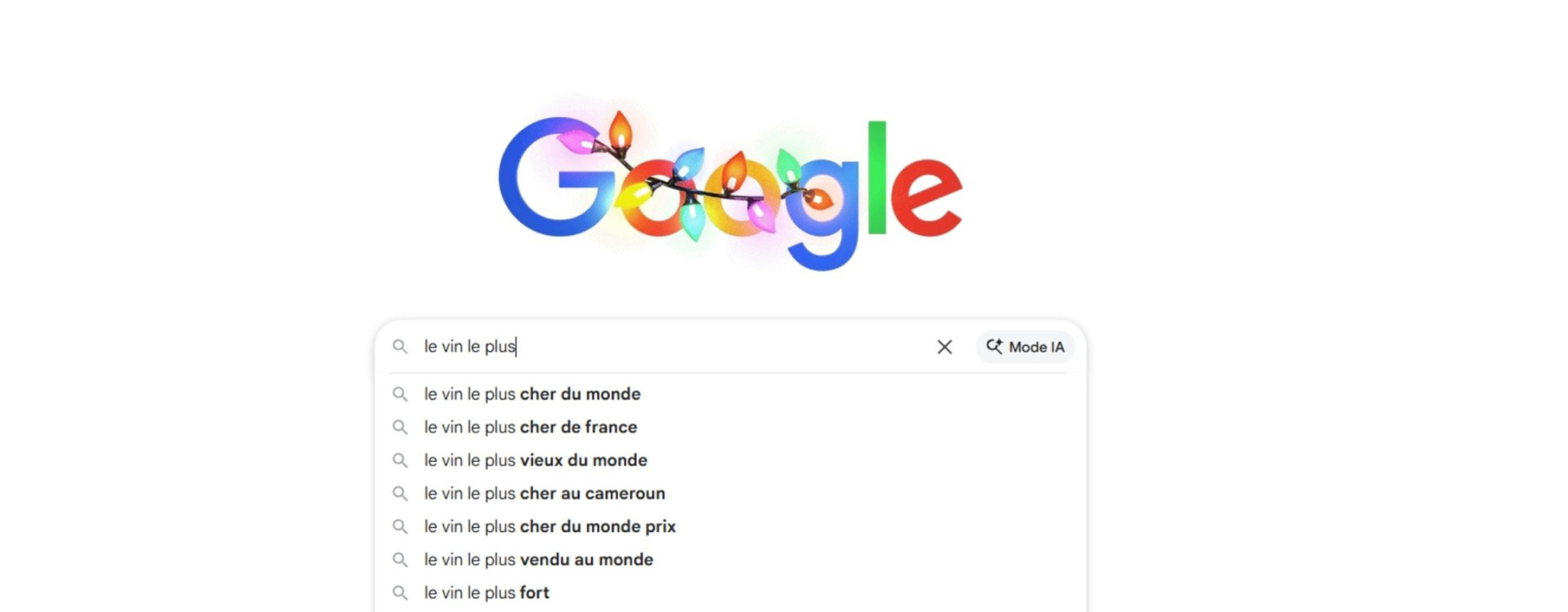
Top 3 Questions About Wine Asked on Google
1) Can Wine Freeze?
You’ve probably been one of those people who put a bottle of wine in the freezer to chill it faster, only to forget about it (perhaps because there was another bottle open on the table) and end up with a block of ice instead of wine! So yes, wine can freeze. However, its alcohol content gives it some resistance. Wine generally starts to freeze at around -5°C (23°F), depending on its alcohol level.
So, what should you do with frozen wine? It’s possible to salvage it, but make sure to let it thaw completely and consume it quickly, especially if it’s a fine red wine. Be cautious, though: if the bottle loses its cork due to the pressure, the wine will oxidize and should not be consumed.
2) Can Wine Go Bad?
The simple answer is yes! A wine can indeed "go bad," meaning it can oxidize or spoil. This usually happens when the wine is improperly stored or when it reaches the end of its life.
To prevent this, winemakers add sulfites, chemical compounds derived from sulfur, which help preserve the wine. These are present in all wines except natural wines.
Spoiled wine is often recognized by its "onion skin" color and a "Madeira-like" taste, which is very bitter. However, unlike spoiled milk, which can be harmful, spoiled wine is not dangerous to health but is no longer enjoyable to drink.
Just like with spoiled wine, it's also best to avoid drinking "corked" wine. In this case, the wine has been contaminated by its cork, which is affected by a disease, hence the term "corked."
3) Can Wine Affect Your Sleep?
Similar to alcohol in general, excessive wine consumption a few hours before bedtime can complicate digestion and cause what’s known as "rebound insomnia," disrupting the transition from falling asleep to deep sleep. The reasons are as follows: while alcohol can initially help you fall asleep, it subsequently increases adrenaline production, which stimulates the brain and prevents it from entering deep sleep. Additionally, alcohol reduces melatonin levels, also known as the "sleep hormone."
These effects can vary from person to person. Just like caffeine and other stimulants, some individuals are more sensitive to alcohol’s effects. It’s quite possible to experience stimulating effects or difficulty falling asleep after just one or two glasses of wine. The solution? Of course, limit alcohol consumption. Moreover, it's always better to eat while drinking. Dr. Arnaud Cocaul, a nutritionist in Paris, even recommends taking a tablespoon of olive oil before drinking. Worth a try!
Our Favourites Wines Selection : Our selections of the moment, chosen by our sommeliers and shipped direct from the winemaker at estate prices. See the selection →
FAQ - Common wine questions
At what temperature does wine freeze?
Wine starts to freeze at around -5°C (23°F), depending on its alcohol content. Alcohol makes it more resistant to cold than water, but a long spell in the freezer will still turn it into a block of ice.
Can you drink wine that has frozen?
Yes, as long as you let it thaw completely and drink it quickly, especially a fine red meant for ageing. Be careful though: if the pressure has pushed out the cork, the wine has oxidised and should no longer be consumed.
How can you tell if a wine has gone bad?
Spoiled wine is recognised by its onion-skin colour and a Madeira-like taste marked by strong bitterness. It is not harmful to health, but it is no longer pleasant to drink.
What is the difference between corked wine and wine that has gone bad?
Wine that has gone bad has oxidised, usually through poor storage or at the end of its life. Corked wine, by contrast, has been contaminated by a cork affected by a disease. In both cases it is best not to drink it, for taste reasons.
Why can wine keep you awake at night?
Drunk in excess before bed, wine complicates digestion and can cause rebound insomnia. Alcohol boosts adrenaline production and lowers melatonin, the sleep hormone. Sensitivity varies from person to person, and eating while drinking limits these effects.


