Delivery from €16,90 per winemaker in Europe (excluding the United Kingdom)

Unbeatable !
Organic wine, a growing market
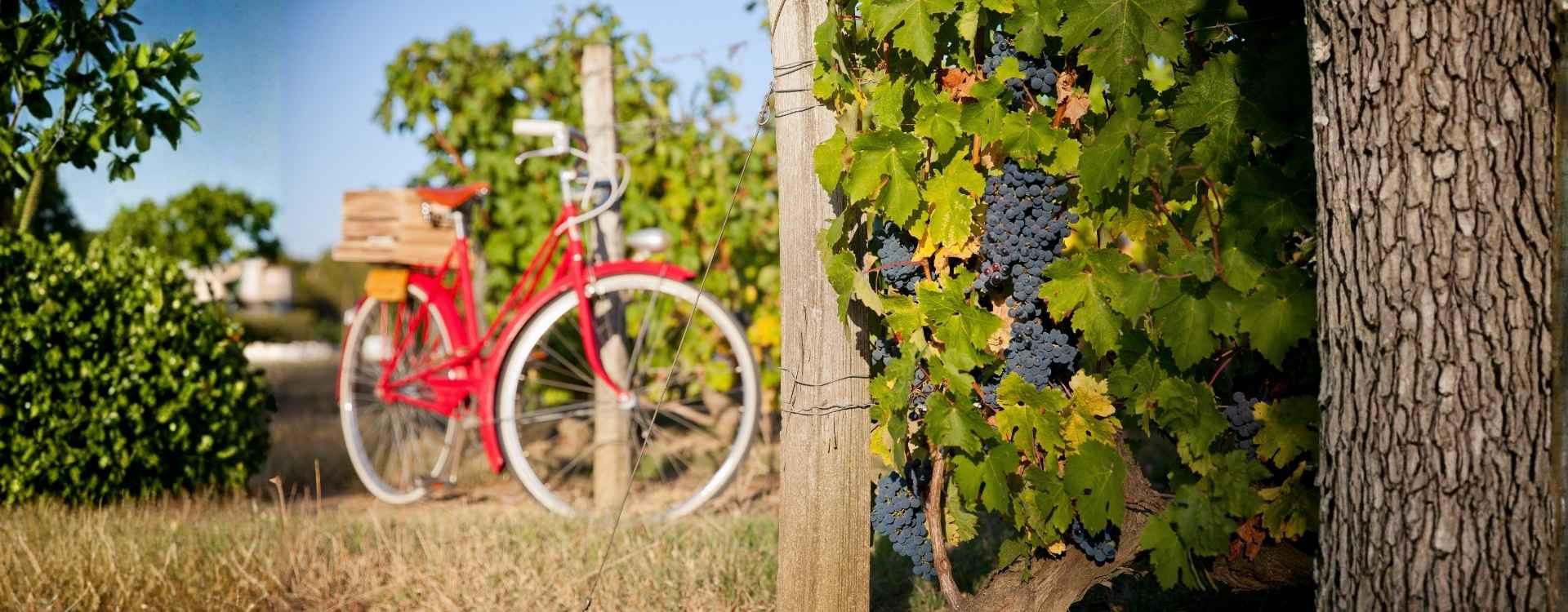
Organic Wine: A Growing Market in France and Worldwide
The demand for wine around the world is constantly increasing. However, the consumption of conventional wines is declining. The reason? The organic trend that is also taking the wine industry by storm. Organic wine production, which should not be confused with biodynamics or natural wines, involves limiting the use of chemical pesticides during grape cultivation and minimizing the number of additives during winemaking. This label, awarded by the Agence Bio, is obtained by strictly adhering to precise specifications. Why is there such enthusiasm for organic wine? Where do we stand in France and worldwide? Let's take a closer look at a production and consumption trend that seems destined to stay.
Reasons for This Growth
The primary reasons for the emergence of this promising market are the growing appetites of consumers. In recent years, the effects of chemical products and other unnatural additives on the body have been studied and publicized. Consumers are thus concerned about their health, and the organic label serves as a reassuring sign of a better choice for their bodies. It's not just about health but also about the environment. Similarly, the consequences of agriculture heavy in herbicides, sulfates, and other aggressive pesticides are well-known. More and more consumers are putting their money where their values are and opting for organic products, even if it means a slight additional cost.
No organic wine without organic vineyards. However, converting a vineyard to organic farming is complicated for a winegrower. Obtaining the organic label takes time (an average of three years), administrative effort to meet the label's precise specifications, and lower yields during the conversion period. Many winegrowers take the plunge because this new demand represents an opportunity. Firstly, a business opportunity due to the growing size and value of the organic wine market. Secondly, a marketing opportunity because the market, being smaller than conventional wine, offers more visibility to the winegrower. But it's not just an economic issue. Many winegrowers witness the devastating effects of herbicides and sulfates or sulfites in high doses and are concerned about respecting the environment and their terroirs, without which their vines could not thrive.
The growth of organic wine can also be explained by the evolution of the European regulatory framework. The European organic label, also known as the AB certification in France, is based on European specifications set by Regulation EC 203/2012. This framework prohibits the use of synthetic chemicals, GMOs, or artificial additives during vine cultivation and requires organic winemaking practices that are more respectful of both the environment and the consumer.
This increasing demand for transparency encourages consumers to turn to organic wines that embody strong environmental values. Beyond its ethical dimension, organic viticulture also ensures the long-term preservation of terroirs, particularly in regions most affected by climate change.
Sustained Growth in France
This enthusiasm from producers and consumers is reflected in the numbers. With slightly more than one hectare in ten of vineyards cultivated organically, France is the third-largest producer of organic wine, behind Spain and Italy. The most proactive wine regions are those with naturally favorable conditions. Thus, Languedoc accounts for more than thirty percent of French organic wine production, followed closely by Provence, which represents twenty percent of organic vineyard area.
In 2019, the market saw another twenty percent growth, reaching a volume of 1.5 billion euros! This trend is likely to continue as French consumers are very keen. According to a survey by Agence Bio and OpinionWay, one in two French consumers would like to see more organic options when purchasing wine. This fact has not gone unnoticed by supermarkets, whose orders are increasing in volume.
Organic vineyard areas continue to expand each year, driven both by producers’ commitment and by growing consumer interest. Much of this growth is concentrated in southern appellations, particularly in Côtes de Provence, where climatic conditions make the transition to organic farming easier. The Côtes de Provence AOP and Coteaux Varois en Provence AOP are among the most dynamic appellations in terms of organic conversion. Some lesser-known appellations in the region are also thriving, supported by a Protected Geographical Indication (PGI). This is the case of IGP Portes Méditerranée, which brings together southern winemakers committed to more sustainable viticulture.
Our Organic Wines Selection : Our organic wines selected direct from the winegrower, at estate prices. See the selection →
Strong Growth Worldwide
French organic wine production is primarily intended for local consumption. However, this is not the case for all organic wine-producing countries like Spain and Italy, which dedicate a large portion to export. Consequently, the list of the largest consumers of organic wine differs. Germany, France, the UK, and the US are the biggest consumers of organic wines, in that order. The global organic wine market is growing at an average annual rate of fourteen percent. This market currently accounts for between three and four percent of the global wine market, generating over three billion euros in revenue.
This worldwide momentum is also reinforced by the online sale of organic wines, which makes it easier to access bottles produced in other regions or countries. The growing demand for organic wine also extends to a variety of formats: traditional bottles, sparkling wines, organic spirits, and even bag-in-box options for more practical purchases. This diversification strengthens the position of organic wine as a market of the future.
Organic wines for every taste
Today, organic wine exists in every category: red, rosé, and white wines (from dry to semi-sweet to sweet), and even Champagne. Each cuvée reflects its terroir, vintage, and the winemaker’s expertise, while complying with the rules of organic farming. Wine lovers now seek balanced wines that are both healthy and environmentally friendly, offering clean fruit aromas and a well-structured palate.
Organic wines are produced in both prestigious appellations and more confidential PGIs, such as Côtes du Tarn (IGP Tarn). This diversity allows everyone to find the wine that suits them best, whether it’s an everyday red or a classified growth for a special occasion. Today, organic labels make it easy to identify certified products that comply with organic farming standards. Certification is issued by accredited bodies, which ensure that both vineyard and winemaking practices meet requirements at every stage of the process, ensuring full transparency.
France is a true treasure trove of viticultural diversity, where each region stands out through its terroir and identity. In addition to Languedoc and Provence already mentioned, the Loire Valley has been a pioneer in the development of organic wines. With its temperate climate and wealth of both white grape varieties (Sauvignon, Chenin) and red grape varieties (Cabernet Franc, Pinot Noir), this region offers a wide range of organic wines, from crisp whites to light reds and delicate rosés.
The rise of biodynamic and natural wine
Alongside organic wine, two other movements are also gaining recognition: biodynamic wine and natural wine. Biodynamic wine goes even further than organic viticulture. Based on the principles of Rudolf Steiner, it considers lunar cycles and uses natural plant-based preparations to strengthen vines and soils. While all biodynamic wines are organic, not all organic wines are biodynamic. This makes it an even more committed niche, sought after by connoisseurs sensitive to environmental concerns and the energy of living systems.
Natural wine, on the other hand, follows a minimalist approach. Made from grapes cultivated according to organic or biodynamic principles, it is vinified without any oenological additives (artificial yeasts, enzymes, acidifiers, etc.) and often without added sulfites. Natural wine offers a unique tasting experience, with authenticity and vibrancy that are increasingly attracting enthusiasts of “living wines.”
Our Organic Wines Selection : Our organic wines selected direct from the winegrower, at estate prices. See the selection →
FAQ - Organic wine
What is the difference between organic, biodynamic and natural wine?
Organic wine limits chemical pesticides in the vineyard and additives during winemaking. Biodynamic wine goes further, following lunar cycles and natural plant-based preparations based on Rudolf Steiner's principles. Natural wine is made without any oenological additives and often without added sulfites. All biodynamic wines are organic, but not all organic wines are biodynamic.
What are the AB label and organic certification for wine?
The AB label is the European organic certification governed by Regulation EC 203/2012. It bans synthetic chemicals, GMOs and artificial additives during vine cultivation and requires more environmentally respectful winemaking. Certification is issued by accredited bodies that check both vineyard and winemaking practices at every stage.
How long does it take to convert a vineyard to organic farming?
Converting an estate to organic farming takes an average of three years. The winegrower must meet precise specifications, handle administrative work and accept lower yields during this period. It is a demanding commitment, yet more and more estates are making the switch.
Which countries consume the most organic wine?
Germany, France, the UK and the US are the biggest consumers of organic wine, in that order. France, the third-largest producer behind Spain and Italy, mainly serves local consumption, while Spain and Italy export a large share of their production.
Which French regions produce the most organic wine?
Languedoc accounts for more than thirty percent of French organic wine production, followed by Provence with twenty percent of organic vineyard area. The Loire Valley is also a pioneering region, with white grapes such as Sauvignon and Chenin and reds such as Cabernet Franc and Pinot Noir.


