Delivery from €16,90 per winemaker in Europe (excluding the United Kingdom)
-
- Wine fair
-
Our wines
-
-
All the wines
-
-
All Regions
-
-
-
Buying according to our desires
-
-
-
Our organic & natural wines
-
-
-
Organic and naturals Winemakers
-
-
-
Our Champagnes & Spirits
-
-
All Champagnes
-
-
Spirits
-
All the spirits
-
-
-
Our winemakers
-
-
-
winemakers
-
-
- Guide me
-
Our advice and selections
-
-
Find your wine
-
-
-
-
- Our commitment
-
- Wine fair
-
Our wines
-
-
All the wines
-
-
All Regions
-
-
-
Buying according to our desires
-
-
-
Our organic & natural wines
-
-
-
Organic and naturals Winemakers
-
-
-
Our Champagnes & Spirits
-
-
All Champagnes
-
-
Spirits
-
All the spirits
-
-
-
Our winemakers
-
-
-
winemakers
-
-
- Guide me
-
Our advice and selections
-
-
Find your wine
-
-
-
-
- Our commitment
Portraits of winemakers
Domaine de Nizas: winning over French consumers
Located in the heart of Pézenas’ terroir, Domaine de Nizas was founded by John Goelet, the current owner who also possesses vineyards in Australia and California. Born to a Bordeaux mother and an American father, this wine enthusiast enlisted agronomist-oenologist Bernard Portet in the 1970s. Portet advised him to invest in Languedoc. Enchanted by the Pézenas terroir, John Goelet acquired several parcels before purchasing his own winery in 1998: Domaine de Nizas.
What makes the terroir at Domaine de Nizas so distinctive?
Terroir and grape varieties
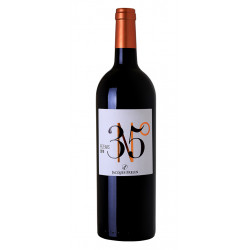
Spread across 40 hectares of vineyards, Domaine de Nizas produces between 1500 and 2000 hectoliters annually. Its uniqueness lies in a meticulously studied selection of grape varieties suited to the soil types of the terroir.
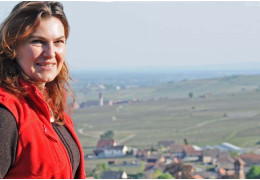
We are fortunate to benefit from the three types of soils of the terroir: basalt (volcanic stones), villa franchien (golden pebbles), and clay-limestone. We emphasize this aspect by planting grape clones and rootstocks. The fusion of these three soils provides natural acidity, allowing both red and white wines to age well for several years,
explains Nathalie.
After captivating the American market, particularly with its red wines (75%) and rosés (25%), Domaine de Nizas aims to enhance its reputation in France. Nathalie plans to expand white wine production by replanting 1 hectare of Roussanne, which she will vinify for the first time in 2018.
How does the estate care for its vines?
Personalized treatment for every vine
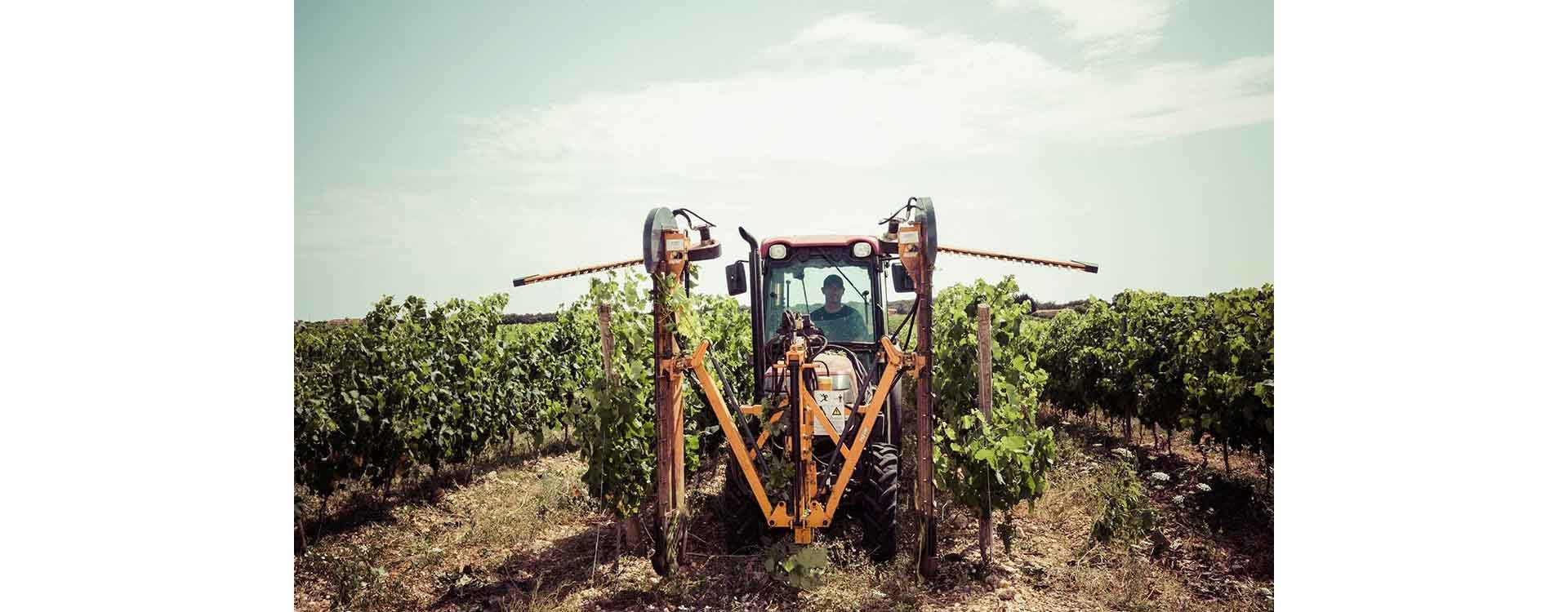
At Domaine de Nizas, each vine is carefully studied (under Nathalie’s attentive supervision) and receives specific treatment based on its needs. Certified in sustainable agriculture since 2007, Domaine de Nizas is preparing to obtain the High Environmental Value (HEV) label. This approach involves adhering to strict guidelines and promoting biodiversity.
We increasingly use alternative methods to minimize chemical inputs in the vineyards. For example, we recently installed bat boxes, as bats eat the caterpillars that damage our vines and harvests. Thanks to the bats, caterpillars will be less prevalent in the vineyards, and our plots will be protected. This is a natural technique to reduce pesticide use.
What can visitors experience on the property?
Wine tourism and events
Certified by the "Tourisme Sud de France" label, Domaine de Nizas offers various wine tourism events on the property: wine tastings at the cellar, and cart tours through the vineyards. Enthusiastic about food and wine pairings, Nathalie and her team also regularly organize food and wine dinners. The next event will be held on June 29.
Frequently asked questions about Domaine de Nizas
Where is Domaine de Nizas located?
The vineyard sits in the Languedoc, within the Pézenas appellation. This southern French terroir is where the estate took root.
Who founded Domaine de Nizas?
French-American businessman John Goelet bought the property in 1998, guided toward the Languedoc by agronomist Bernard Portet. Winemaker Nathalie Arnaud Bernard has run the vineyard since 2011.
What soils shape the Nizas terroir?
Three soil types share the estate: volcanic basalt, villafranchian pebbles and clay-limestone. Together they give the wines a natural acidity that supports their ageing potential.
What wines does Domaine de Nizas produce?
Across around forty hectares, the estate makes between 1500 and 2000 hectolitres a year, mostly reds alongside rosés. It is also moving into white wine with a newly planted plot of Roussanne.
Does Domaine de Nizas follow an environmental approach?
Yes. Certified in sustainable farming since 2007, it is working toward the High Environmental Value label. To cut chemical inputs, the team installed bat boxes, since bats feed on the caterpillars that harm the vines.
Our nuggets
Château Paul Mas "Clos du Moulinas"
Château Paul Mas - Domaines Paul Mas
Languedoc Roussillon
€17.50
Related articles
Château des Bertrands, a historic estate
Château des Bertrands enjoys a privileged location in the heart of a protect...
Domaine Rémi Pouizin
Le Domaine Rémi Pouizin est né d’un lien profond avec la terre et d’une hist...
Château La Mascaronne
Château La Mascaronne is a unique vineyard, nestled in the heart of a preser...