Delivery from €16,90 per winemaker in Europe (excluding the United Kingdom)

Unbeatable !
Châteauneuf-du-Pape: an iconic French appellation

Located between Avignon and Orange, the Châteauneuf-du-Pape appellation is one of the most emblematic of the southern Rhône Valley, and of France itself. Rich in history, AOC Châteauneuf-du-Pape captivates wine lovers around the world with its powerful red wines and elegant white wines with complex aromatic profiles. A journey through this exceptional terroir is a deep dive into a unique cultural and viticultural heritage.
A Historic Terroir... and Rolling Pebbles!
The history of Châteauneuf-du-Pape dates back to the 14th century, when Pope John XXII, then residing in Avignon, planted the first vines around his summer residence. The nearby Palais des Papes still bears witness to this era when the papal court brought prestige to the region. Today, nearly 3,200 hectares of vines thrive on these historic soils, famous for their rolled pebbles, sand, and clay, producing reds renowned for their power and longevity. The Mediterranean climate, with hot, dry summers and the cleansing Mistral wind, creates the ideal conditions for crafting bold, aromatic wines.
Châteauneuf-du-Pape is the perfect union of historical heritage and winemaking tradition, supported by generations of passionate winemaking families and a distinctive terroir that yields world-class wines.
Powerful and Complex Red Wines
Red wines make up about 95% of the appellation’s production. Typically Grenache Noir-dominant blends, they may also include Syrah, Mourvèdre, and Cinsault. These are classic, full-bodied wines offering deep color, intense aromas of black fruits, dried fruits, garrigue herbs, and sometimes leather or spice. In the best vintages, you’ll find notes of red berries, black cherry, and plum, with occasional touches of candied fruit. These wines have excellent aging potential, often lasting for decades.
Famed estates such as Château Rayas, Clos des Papes, and Domaine de Beaurenard exemplify this style, each adding their signature touch. Some work with vines over seventy years old, producing concentrated cuvées with outstanding aromatic depth.
Whites: Rare but Remarkable
Less known but just as worthy, Châteauneuf-du-Pape white wines represent only 5% of total production. Crafted from varietals like Grenache Blanc, Clairette, and Roussanne, these whites combine freshness with richness. They present pale golden hues and aromas of white flowers, citrus, pear, and with age, hints of honey. Their subtle fruit bouquet and structured body pair beautifully with grilled fish, white meats, or hard cheeses.
Perfect Food Pairings with Châteauneuf-du-Pape Wines
The powerful, generous reds of Châteauneuf-du-Pape pair wonderfully with hearty cuisine. Their depth of red and black fruits, sweet spices, and dried fruit notes complement flavorful meats and rich sauces. Roasted game, grilled ribeye, or slow-cooked lamb bring out the wine’s full expression. Classic French dishes like boeuf bourguignon or Provençal daube also pair beautifully with well-aged bottles.
The whites, floral and opulent, are ideal for refined and aromatic dishes. Think sauced fish, mushroom risotto, or poultry with morel cream. They also shine alongside aged goat cheeses or Mediterranean cuisine infused with olive oil and Provençal herbs.
A Protected and Demanding Appellation
Châteauneuf-du-Pape follows a strict set of rules to preserve the quality and character of its wines. Thirteen grape varieties are authorized for both red and white wines. This diversity allows for rich, complex blends that contribute to the appellation’s prestige. Winemaking here is tightly regulated: low yields, mandatory hand harvesting, and rigorous sorting at the vineyard level. The use of old vines, sometimes a century old, adds natural concentration and complexity to the wines.
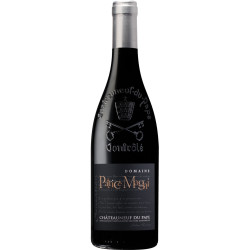
Bottling must take place within the appellation’s boundaries. Each bottle proudly bears a raised crest with a papal emblem, a mark of authenticity and heritage. This guarantees traceability and origin, ensuring each cuvée is a true expression of this storied terroir of rolled stones.
Châteauneuf-du-Pape is more than just a prestigious name, it’s a world apart, where you can still enjoy exceptional wines crafted by longstanding family estates. For lovers of elegant, powerful wines, it remains a must-visit destination. Discover our selection of Châteauneuf-du-Pape wines, shipped directly from the domaine or château of your choice, on Avenue des Vins!
Our Châteauneuf-du-Pape Selection : Order Châteauneuf-du-Pape cuvées straight from our independent winemakers, at estate prices and shipped direct from the domaine. See the selection →
FAQ - Châteauneuf-du-Pape
How many grape varieties are allowed in Châteauneuf-du-Pape?
The appellation rules authorize thirteen grape varieties, for both red and white wines. Led by grenache noir, this diversity allows rich, layered blends and is a defining trait of Châteauneuf-du-Pape.
How long can a Châteauneuf-du-Pape red age?
Full-bodied and structured, the reds of Châteauneuf-du-Pape easily age for several decades. In the best vintages, old-vine cuvées keep gaining complexity after fifteen to twenty years of cellaring.
Which grape dominates Châteauneuf-du-Pape reds?
Grenache noir leads the red blends, which make up about 95% of production. It is often joined by syrah, mourvèdre or cinsault, adding structure, freshness and length on the palate.
What food pairs with a Châteauneuf-du-Pape red?
These generous reds suit flavorful meats and dishes in sauce: roasted game, grilled ribeye, slow-cooked lamb. Braises such as boeuf bourguignon or Provençal daube work well with their supple tannins.
Does Châteauneuf-du-Pape make white wine?
Yes, whites account for around 5% of production. Made from grenache blanc, clairette or roussanne, they combine freshness and richness, with notes of white flowers, citrus and, over time, honey.