Delivery from €16,90 per winemaker in Europe (excluding the United Kingdom)

Portraits of winemakers
Château Chardonnay
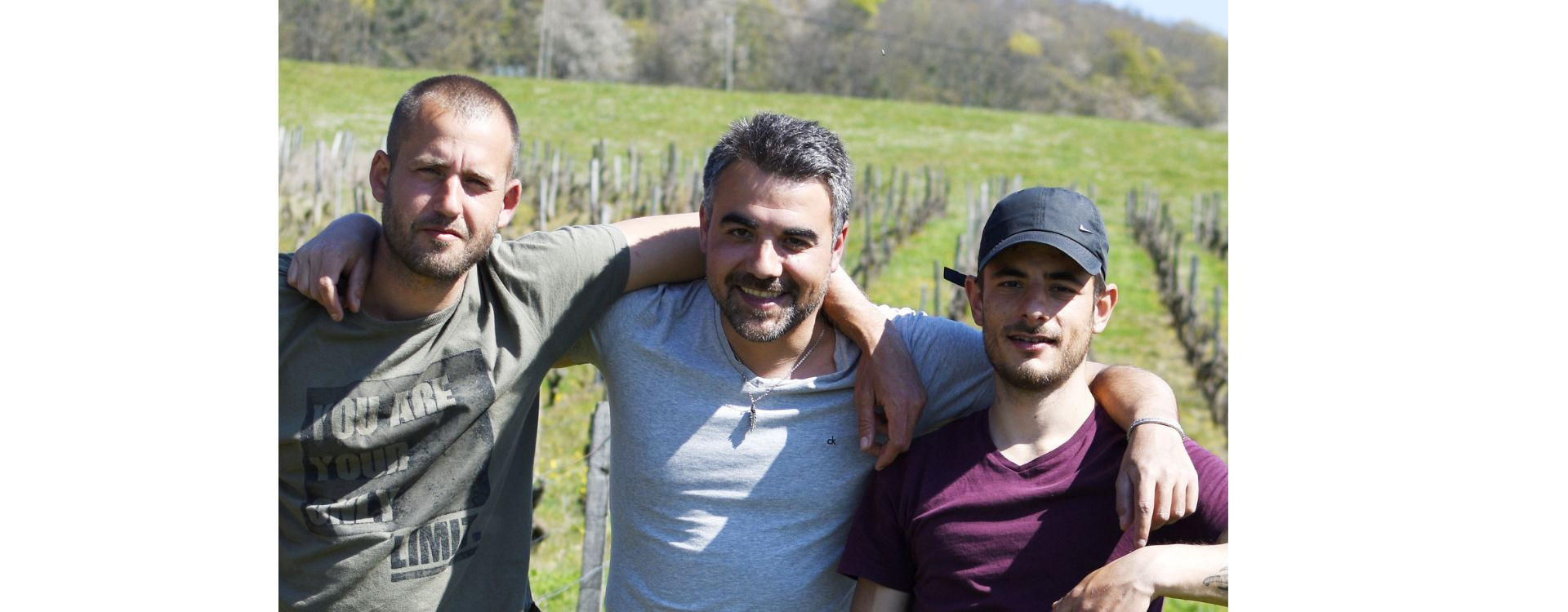
When we hear the term "Chardonnay," the first thing that comes to mind is undoubtedly the famous white grape variety originating from Burgundy. Indeed, while this grape variety has undoubtedly spread worldwide to become the second most planted white grape in the world, the village that gave it its name is far less known. Located in the heart of the Mâconnais vineyard in Burgundy, Château Chardonnay is here to bring the spotlight back to the village of Chardonnay, the birthplace of this world-renowned grape.
Available directly from the estate on Avenue des Vins.
What is the history behind the château and its village?
The origins of Chardonnay
Dating back to the 15th century, Château Chardonnay once served as the village's tinailler, a term used for places dedicated to storing vats, presses, and other essential equipment for harvest and winemaking. Initially owned by the church and later by Burgundian lords, Château Chardonnay was a central place for harvesting and village life over the centuries.
How did the estate come to make its own wine?
The revival of a historic estate
While Château Chardonnay has long been a landmark in the village and has always cultivated vines, it had never truly produced its own wine! Like many local vintners, Château Chardonnay previously sold its production to the cooperative cellar.
This is why Romain Poncet, whose family owned Château Chardonnay, decided to embark on a new adventure with his childhood friend Jean-Christophe Taboulot (also a winemaker) and his partner Jheriko Sevely to create their own estate. In 2019, this exciting project came to fruition with the establishment of Château Chardonnay. This story of friendship in a unique location aims to highlight their village and its terroirs while practicing environmentally respectful agriculture.
What makes the terroir and the wines distinctive?
A prime terroir
Today, Château Chardonnay boasts nearly 12 hectares of vineyards, predominantly planted with Chardonnay (80%), although the estate also grows Aligoté and Gamay. With its clay-limestone soils, Château Chardonnay benefits from an ideal terroir for producing white wines that combine freshness with minerality. The use of high-quality oak barrels also imparts great length and complexity to the estate’s wines.
Looking to the future, the three friends aim to continue developing the estate, particularly through wine tourism. Indeed, few winemakers in the commune open their doors to tourists, who are increasingly eager to learn more about the region's history and Chardonnay. However, as you might have guessed, on Avenue des Vins, you don’t need to visit to enjoy the wines of Château Chardonnay!
Why buy directly from the winemaker? The wines of Château Chardonnay are shipped straight from the estate: estate price with no middleman, full vintage traceability, and your support for an independent winegrowing family.
Discover the wines of Château Chardonnay directly from the estate, at the estate price, in a short supply chain on Avenue des Vins.
Frequently asked questions about Château Chardonnay
Where is the Château Chardonnay estate located?
The estate lies in the Mâconnais, in southern Burgundy, within the very village that lent its name to the white grape. Its plots surround a 15th-century building once used to store harvest equipment.
Who are the winemakers behind Château Chardonnay?
Three partners have run the project since 2019: Romain Poncet, whose family held the château, his childhood friend Jean-Christophe Taboulot and Jheriko Sevely. They chose to vinify their own grapes rather than hand the crop to the cooperative.
Which grape varieties does Château Chardonnay grow?
Across nearly 12 hectares, Chardonnay clearly leads with 80% of the plantings. Aligoté and Gamay fill out the rest, two Burgundian varieties that widen the range beyond white wine alone.
What style of wine does Château Chardonnay make?
The clay-limestone soils yield whites built on freshness and mineral tension. Ageing in oak barrels adds length and a rounder, more layered texture on the palate.
Did the Chardonnay grape take its name from the village?
The village did give its name to the grape, now the second most planted white variety in the world. The estate works to shine a light on this birthplace, far less known than the grape it inspired.


