Delivery from €16,90 per winemaker in Europe (excluding the United Kingdom)

Portraits of winemakers
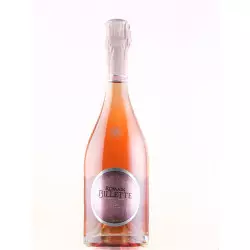
Champagne Romain Billette

In Urville, at the heart of the Côte des Bar, the family estate spans five generations. For a long time discreet, it supplied its juices to major houses before taking a new direction in 2019 by isolating parcels and producing separate vinifications. Since 2022, the Champagnes bear the Romain Billette signature, produced in deliberately limited quantities to closely follow each cuvée.
Available directly from the estate on Avenue des Vins.
What is the philosophy behind the estate?
History, identity and philosophy
All Champagnes are vinified and aged in oak barrels, with artisanal expertise from grape grower, winemakers, creating a truly unique personality.
Patience makes the wine,
a guiding principle that connects the vineyard, the aging process, and bottling.
The brand's launch evening sealed this shift, a mix of joy and nervousness after years of working for others. The choice to embrace oak aging and highlight Pinot Meunier, in a region dominated by Pinot Noir, reflects the philosophy of the estate.
What does the terroir of Urville bring to the wines?
The terroir of Urville and the Champagne winemaking craft
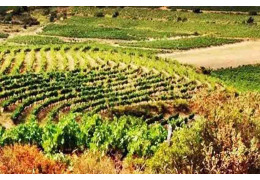
The vineyard of Champagne Romain Billette covers nearly eight hectares on steep slopes, shaped by marl and limestone soils. Pinot Noir, Pinot Meunier, Chardonnay, and Pinot Blanc make up the palette, worked parcel by parcel to express each terroir with precision.
The barrels come from oak sourced from local forests, crafted by the Tonnellerie de Champagne, and the wines spend about six months in wood. The oak acts as a bridge with the Champagne: it refines the aromas without masking them and allows the creation of fine, silky, and precise Champagnes.
When I think of the estate, I first imagine the vineyards changing with the seasons and the smell of wood, since we age and vinify all our wines in oak barrels.
Respect for life is also at the heart of every decision made by Romain Billette. The estate is HVE certified, limits inputs, sows grass between rows, and favors mechanical soil work. Part of the parcels, especially Chardonnay, is even undergoing organic conversion. Together with Lucie, the winemaker’s wife, beehives have been installed near the vines, and an insect hotel is planned, gestures that strengthen biodiversity.
Wine tourism is also developing in parallel, to showcase this work up close and share the passion for Champagne.
Who is the winemaker behind the estate?
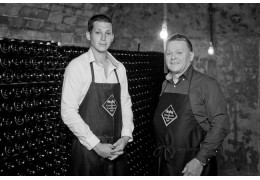
The winemaker: Romain Billette
Although Romain’s great-grandfather made Champagne, he did not grow up in a family of Champagne producers.
I didn’t grow up in a Champagne winemaking family as such. My parents and grandparents chose to work the vineyard without producing bottles.
Curiosity and the proximity of winemakers gave him a taste for wine, eventually inspiring the dream of creating a brand in his own name. Every morning, the desire is to do better, to try new blends, different barrel aging, for Champagnes with atypical profiles.
The goal is not to revolutionize the appellation but to bring his own identity and a fresh vision. Projects advance step by step, with the aim of strengthening presence in France initially, then cautiously opening up internationally.
External recognition has meant a lot to Romain Billette. From the very first year, gold medals at Effervescents du Monde, Chardonnay du Monde, Féminalise, and distinctions in Terre de Vins confirmed the winemaker’s choices and the quality of his cuvées.
This cuvée blends several years of wine, it is atypical in Champagne, just like our family, and it tells our story, our values, and our attachment to family.
Why buy directly from the winemaker? The wines of Champagne Romain Billette are shipped straight from the estate: estate price with no middleman, full vintage traceability, and your support for an independent winegrowing family.
Discover the wines of Champagne Romain Billette directly from the estate, at the estate price, in a short supply chain on Avenue des Vins.
Frequently asked questions about Champagne Romain Billette
Where is Champagne Romain Billette located?
The estate lies in Urville, in the Aube, part of the Côte des Bar. Its vines stretch across close to eight hectares of sharp, sloping ground built on marl and limestone.
What grape varieties does Romain Billette grow?
Four Champagne varieties share the plots: Pinot Noir, Pinot Meunier, Chardonnay and Pinot Blanc. Each is vinified on its own, with an unusually prominent place given to Pinot Meunier in a region ruled by Pinot Noir.
Why are the wines aged in oak barrels?
Every cuvée spends around six months in oak barrels made by the Tonnellerie de Champagne from locally sourced wood. The oak lends texture and silkiness while letting the fruit come through.
Does the Romain Billette estate farm organically?
Partly. The vineyard holds HVE environmental certification, with grassed rows, mechanical soil work and few inputs. The Chardonnay plots are converting to organic farming, and beehives now sit beside the vines.
Has Champagne Romain Billette won any awards?
From its very first release the estate took gold at the Effervescents du Monde, Chardonnay du Monde and Féminalise competitions, along with recognition in the magazine Terre de Vins.