Delivery from €16,90 per winemaker in Europe (excluding the United Kingdom)
-
- Great Offers
-
Our wines
-
-
All the wines
-
-
All Regions
-
-
-
Buying according to our desires
-
-
-
Our organic & natural wines
-
-
-
Organic and naturals Winemakers
-
-
-
Our Champagnes & Spirits
-
-
All Champagnes
-
-
Spirits
-
All the spirits
-
-
-
Our winemakers
-
-
-
winemakers
-
-
- Guide me
-
Our advice and selections
-
-
Find your wine
-
-
-
-
- Our commitment

-
- Great Offers
-
Our wines
-
-
All the wines
-
-
All Regions
-
-
-
Buying according to our desires
-
-
-
Our organic & natural wines
-
-
-
Organic and naturals Winemakers
-
-
-
Our Champagnes & Spirits
-
-
All Champagnes
-
-
Spirits
-
All the spirits
-
-
-
Our winemakers
-
-
-
winemakers
-
-
- Guide me
-
Our advice and selections
-
-
Find your wine
-
-
-
-
- Our commitment
Filtrer
Grape variety : Counoise
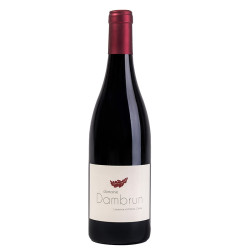


Counoise: Origins and Unique Characteristics of This Grape Variety
Counoise, a typical red grape from the South of France, is primarily known for its complementary role in the prestigious blends of the Rhône Valley. Valued for its finesse and freshness, Counoise brings a distinctive fruity and spicy touch to red wines. Discover its history, preferred terroirs, aromatic characteristics, and the best food and wine pairings to enhance red or rosé wines made from Counoise.
Counoise at a glance
- Color: red grape
- Origin: arrived via Spain, in Provence in the 16th century
- Regions: Southern Rhône Valley: Châteauneuf-du-Pape, Côtes du Rhône Villages, Vacqueyras; IGP Pays d'Oc (rosé)
- Profile: fresh, light and peppery, with red fruit (raspberry, cherry), floral and lightly spiced notes; smooth tannins
- Serving temperature: around 15-16 °C
- Cellaring: mainly a blending grape; its light, fresh style is best enjoyed young
Description and Origins of Counoise
Counoise is a black grape variety originating from Spain, widely grown in the Mediterranean regions of southern France. Predominantly cultivated in the southern Rhône Valley, Counoise integrates harmoniously into traditional blends, particularly in the renowned red wines of the AOC Châteauneuf-du-Pape appellation. Introduced to Provence in the 16th century, Counoise has won favor thanks to its moderate yield and ability to bring balance and freshness to red wines. Its aromatic finesse makes it a precious asset in blends alongside Syrah, Grenache, and Mourvèdre.
The Main Terroirs Where Counoise is Cultivated
In France, Counoise is primarily grown in the southern Rhône Valley, where it is authorized in prestigious appellations like Châteauneuf-du-Pape, Vacqueyras, and Côtes du Rhône Villages. Counoise thrives on the stony and limestone soils typical of this region, benefiting from the warm and dry Mediterranean climate. More recently, Counoise has also spread to vineyards in the Languedoc and other southern French regions, where it is used to produce light and delightful red and rosé wines.
Aromatic Characteristics of Counoise
Counoise in Red Wine:
Appearance: Red wines from Counoise display a ruby-red robe, often slightly translucent.
Nose: The aromatic profile reveals fresh red fruits like raspberry and cherry, complemented by peppery, floral (violet), and lightly spiced notes.
Palate: Counoise stands out for its freshness and finesse. The tannins are smooth, providing a light and elegant structure.
Counoise in Rosé Wine:
Appearance: Pale pink robe.
Nose: Subtle aromas of red fruits (raspberry, redcurrant), citrus, and light spices emerge.
Palate: Fresh and fruity, Counoise-based rosé wines offer a beautiful balance and a delicately peppered finish.
The Best Food and Wine Pairings with Counoise
Here are some recipe ideas to create perfect food and wine pairings with a bottle of red or rosé wine made from Counoise:
- Provençal ratatouille (AOC Côtes du Rhône Villages)
- Sautéed rabbit in civet sauce (AOC Vacqueyras Rouge)
- Tomato tart with Provençal herbs (IGP Pays d’Oc Rosé)
- Roast leg of lamb with rosemary (AOC Châteauneuf-du-Pape)
- Stuffed peppers (AOC Côtes du Rhône Rosé)
Counoise is a hidden treasure that captivates with its elegance and freshness. Whether vinified as red or rosé wine, it consistently delivers finesse and remarkable balance. Discover our selection of Counoise-based wines, sourced directly from the estate or château of your choice, and be enchanted by this exceptional grape variety!
Counoise, a blending grape of Châteauneuf-du-Pape
Counoise is one of the grape varieties officially authorized in Châteauneuf-du-Pape, where it joins far better-known partners such as Grenache, Syrah and Mourvèdre. It is rarely asked to lead a blend: instead it brings spice, pepper, freshness and lift, lightening wines that might otherwise turn heavy under the southern sun. Because the grape is only lightly colored, it seldom makes a deeply pigmented wine on its own, yet that peppery freshness is exactly what growers prize throughout the Rhône Valley wine region. You will meet it in Châteauneuf-du-Pape wine and, more widely, in everyday Côtes du Rhône wine and the villages around it.
Serving and keeping Counoise
Counoise gives light, peppery red wines that are best served at around 15-16 °C, cool enough to keep their fresh red fruit and pepper lively without weighing down the smooth, elegant tannins. The same grape also turns out pale, delicately peppered rosé wines, which are better served well chilled as a summer aperitif. In both colors, Counoise is prized for freshness rather than power, so it is generally enjoyed young, while its fruit is at its most vibrant.
Frequently asked questions about Counoise
Is Counoise used in Châteauneuf-du-Pape?
Counoise is one of the grape varieties officially authorized in Châteauneuf-du-Pape, where it is blended with better-known varieties such as Grenache, Syrah and Mourvèdre. It plays a supporting role, adding spice, pepper, freshness and lift rather than deep color or power.
What does Counoise wine taste like?
Counoise makes light, fresh and peppery wines with aromas of red fruits such as raspberry and cherry, along with floral and lightly spiced notes. Its tannins are smooth, giving the reds an elegant, easy structure, while its rosés are fresh, fruity and delicately peppered.
At what temperature should you serve Counoise?
Counoise is best served at around 15-16 °C as a red, cool enough to keep its pepper and fresh fruit lively. Its rosés are better served well chilled, as a summer aperitif.
Is Counoise a red or a rosé wine?
Counoise is a red grape that is used to make both red and rosé wines. It is most often blended into southern Rhône reds, but on its own it also produces pale, fresh and peppery rosés.