Delivery from €16,90 per winemaker in Europe (excluding the United Kingdom)


Spirits
Alcoholic beverages distilled from raw materials such as sugar cane, wine, fermented cereals and many others, spirits are known for their higher alcohol content than wines, among others. Liqueur, gin, vodka, whisky, rum, armagnac and cognac... there's something for everyone. Find quality French products to enjoy alone, with family or friends, or to give as a gift! Avenue des Vins has specially selected a range of spirits produced by our French winemakers and producers.
Filtrer










Raw Material, Strength, Aging: What Makes a Spirit
A spirit is defined by three things: what it is made from, its alcohol content, and how it is produced, aging included. In the European Union, Regulation (EU) 2019/787 sets these rules for 44 categories, from rum and whisky to gin and liqueur. Protected appellations such as Cognac or Calvados add their own production rules.
Distilling a Fermented Base or Flavoring a Neutral Spirit
Most brandies and other spirits start as something already fermented. Cognac and Armagnac are distilled from wine, marc from fermented grape pomace, and Calvados from cider or perry.
Rum comes from sugarcane juice or molasses, a by-product of sugar making. Whisky starts from a mash of malted grain, and a fruit brandy from fermented fruit, such as pear or mirabelle plum.
Vodka and gin start instead from a neutral alcohol of agricultural origin, already distilled to a high strength. Vodka is distilled or filtered to soften its taste, while gin is flavored. A liqueur sweetens an alcohol or a brandy and gives it the taste of fruit, herbs or spices.
A Minimum Strength for Each Category
Each category in the regulation has its own minimum strength. Rum, vodka, gin, wine brandy, marc and cider brandy reach at least 37.5% ABV (75 proof). Whisky and pastis need at least 40% (80 proof), while a grain spirit starts at 35%.
Appellations often raise the bar: Cognac and Calvados are sold at no less than 40% ABV.
Distillation strength matters too. Wine, marc and cider brandies are distilled to less than 86% ABV, which keeps the aromas of the fruit. The neutral alcohol behind vodka or gin reaches at least 96%.
Time in Oak, Required for Some Spirits
Not every spirit has to be aged: a vodka, a gin or an unaged brandy can be bottled without ever touching wood. Cognac ages at least two years in oak, and so does Calvados, counted from the day it goes into the barrel.
A wine brandy sold as “brandy” has spent at least six months in oak casks under 1,000 liters (about 265 gallons), or a year in larger vessels.
Wood gives a spirit an amber color and new aromas. To adjust that color, whisky, rum and wine brandy may use only caramel, and no other coloring.
Common Questions About Spirits
What is the minimum alcohol content of a spirit?
A drink counts as a spirit from 15% ABV under Regulation (EU) 2019/787, except egg liqueur, allowed from 14%. It must also be meant for human consumption, have its own flavor and aroma, and be made by distilling, by steeping plants in alcohol, or by flavoring an agricultural alcohol.
How long must whisky be aged?
In the European Union, whisky must be aged at least three years in wooden casks of 700 liters (about 185 gallons) or less. Before then, a grain distillate cannot be called whisky. It is also distilled to less than 94.8% ABV, so it keeps the flavor of the malted grain.
Can Calvados contain pears?
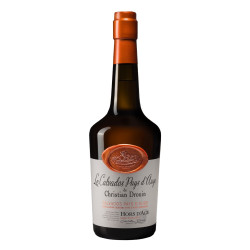
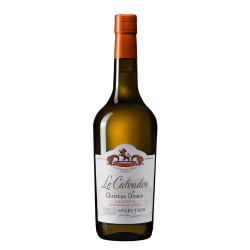
Calvados can contain pears, because the appellation is distilled from cider or perry. In Calvados Pays d'Auge, the cider holds no more than 30% perry pears. In Calvados Domfrontais, perry pears make up at least 30% of the fruit, and the brandy ages at least three years in oak.
Where can you buy spirits direct from the producer?
You can buy spirits direct from the producer on Avenue des Vins. Each spirit's page names the producer who made it.
See also: Cognac-Armagnac - Gin - Vodka