Delivery from €16,90 per winemaker in Europe (excluding the United Kingdom)


AOP Costières de Nîmes
In the south of France, the sun-drenched vineyards of Languedoc-Roussillon stretch over 240,000 hectares from Nîmes to Leucate (Aude), making it one of the largest vineyards in the world. The AOC Costières de Nîmes extends south of Nîmes, between the communes of Beaucaire and Saint-Gilles, over some 4,350 hectares of clay-limestone, pebble and cobble soils. Grenache, Mourvèdre, Syrah, Clairette and Bourboulenc vines are planted in the appellation's Mediterranean climate, producing white, rosé and red wines. The latter are tannic, complex and round on the palate. Rosés are delicate and well-balanced, with aromas of cherry, raspberry and banana. The whites are round on the palate, with notes of white flowers, citrus and exotic fruit.
Filtrer


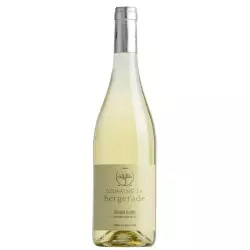
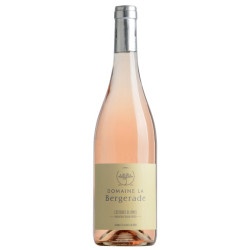


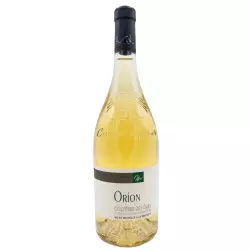


Costières de Nîmes: Limestone Ridges to the Camargue
The Costières is a pebble-covered plateau some 25 miles (40 km) long, stretching northeast to southwest from around Beaucaire to around Saint-Gilles. Its vineyards lie at the foot of limestone ridges, between the Nîmes basin to the northwest and the Camargue plain to the south. The mistral sweeps down from the Rhône Valley, while sea breezes drift in from the nearby Camargue.
History of the AOC Costières-de-Nîmes Appellation
Despite its geographic position at the edge of the Languedoc region, the AOC Costières-de-Nîmes is part of the Rhône Valley vineyard due to its unique terroir. The AOC Costières-de-Nîmes bridges two regions with wines that have a hybrid identity. Its rich viticultural history dates back to Roman times, as evidenced by the ancient winegrowing remains found in the area.
Climate and Terroir of the AOC Costières-de-Nîmes Appellation
Climate: The Costières-de-Nîmes vineyard enjoys a Mediterranean climate with hot, dry summers, mild winters, and the influence of the Mistral wind, which helps to keep the vines healthy.
Soils: The soil consists of quaternary rolled pebbles, similar to those found in Châteauneuf-du-Pape, which retain heat well and aid in the ripening of the grapes.
Key Grape Varieties of the AOC Costières-de-Nîmes Appellation
The appellation mainly produces red and rosé wines from grape varieties such as Grenache, Syrah, Mourvèdre, Carignan, and Cinsault. The rarer white wines are made from varieties like Grenache Blanc, Marsanne, Roussanne, Viognier, and Rolle (also known as Vermentino).
Style of AOC Costières-de-Nîmes Wines
White Wine: These wines have a straw-yellow color. On the nose, they reveal aromas of white fruits (peach, pear), citrus (lemon, grapefruit, mandarin), and flowers. They are round and fresh on the palate.
Rosé Wine: These wines have a pale pink color. The rosé wines of AOC Costières-de-Nîmes express notes of red fruits with a pleasant freshness on the palate.
Red Wine: These wines display a deep ruby color. The red wines of AOC Costières-de-Nîmes offer aromas of red and black fruits, plum, spices, and violet. They are generally powerful and generous on the palate, with a good length.
Best Food Pairings with AOC Costières-de-Nîmes Wines
Here are some suggested dishes to pair with a bottle from an estate or château in AOC Costières-de-Nîmes, whether it is white, red, or rosé:
White Wine:
- Shellfish
- Cod fritters (accras de morue)
- Grilled calamari
Rosé Wine:
- Mediterranean salads
- Ratatouille
Red Wine:
- Bull steak
- Grilled lamb chop
- Spit-roasted suckling pig
Grenache, Mourvèdre, Syrah: How the Blend Is Built, Color by Color
In Costières de Nîmes, every wine comes from more than one grape: at least two, including one principal variety. A Costières red is therefore always a blend, and so are the rosés and whites. The appellation rules then set the share of each group.
For reds and rosés, the principal grapes are Grenache Noir, Mourvèdre and Syrah: alone or together, they make up at least half of the blend. Carignan, Cinsault and Marselan round it out, with Marselan capped at 10%.
For whites, Grenache Blanc, Marsanne and Roussanne are the principal grapes and account for at least 60% of the blend. Bourboulenc, Clairette, Macabeu, Vermentino and Viognier are the supporting grapes, with Viognier limited to 20%.
Since 2025, the rules have also allowed a few varieties chosen to help vineyards adapt, under contract: Montepulciano and Morrastel for reds and rosés; Piquepoul Blanc, Souvignier Gris and Tourbat for whites. Together, they make up no more than 10% of a blend.
Former Name, Labels, Rosé Share: Costières de Nîmes Questions
What was Costières de Nîmes called before?
Costières de Nîmes was first called Costières du Gard, the name under which it became an AOC by decree on July 4, 1986. It took its current name in 1989, after the costière, the pebble terrace the vineyards sit on. The push for recognition began in the 1920s, when growers formed a trade association.
What does “Vignobles de la Vallée du Rhône” mean on a Costières de Nîmes label?
On a Costières de Nîmes label, “Vignobles de la Vallée du Rhône” is a broader geographic name allowed by the appellation rules. It appears in the same field of view as the mandatory information, in the same typeface and color as the appellation, at no more than two-thirds of its size.
How much Costières de Nîmes is rosé?
Rosé makes up about 40% of Costières de Nîmes production, compared with 55% for red, according to the appellation rules. White remains a small share. The wines come from 15 cooperative wineries and around 100 independent ones.
Where can you buy Costières de Nîmes direct from the winemaker?
You can buy Costières de Nîmes direct from the winemaker on Avenue des Vins. Your order ships straight from the producer, with no middleman.
See also: AOC Lirac Wine - AOC Tavel - AOC Côtes du Rhône Villages