Delivery from €16,90 per winemaker in Europe (excluding the United Kingdom)


AOC Maury Rancio
In the south of France, the very sunny vineyard of Languedoc-Roussillon extends over more than 240,000 hectares from Nîmes to Leucate (Aude), making it one of the largest vineyards in the world. It includes the AOC Banyuls and the AOC Maury. Within AOC Maury, the rancio term is reserved for amber or tuilé vins doux naturels that have developed that taste during oxidative aging, which lasts more than two years. Tuilé is made mostly from Grenache Noir, and the wines typically show walnut, coffee and cocoa, with a long finish.
Filtrer
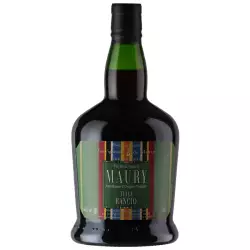
Maury Rancio: A Term Earned Through Aging
A vin doux naturel from the Pyrénées-Orientales, Maury Rancio is made in four villages, either as tuilé, based on Grenache Noir, or as amber, based on Grenache Blanc and Gris, Macabeu and Tourbat. The term is earned during aging: it goes only to wines that have developed the rancio taste through contact with air.
Key figures
- Recognized: 1936
- Villages: 4 (Maury, Rasiguères, Saint-Paul-de-Fenouillet, Tautavel)
- Sugar: at least 45 g/L
- Oxidative aging: until at least March 1 of the 3rd year after harvest
Tuilé or Amber: Two Paths to Rancio
Tuilé is above all a Grenache Noir wine: the grape covers at least 75% of the vines a producer devotes to these wines, and Macabeu 10% at most. Over the years, the color moves from brick red to mahogany with orange glints, while the aromas drift from candied notes and prune toward toasty tones, then cocoa.
Amber starts from white or gray grapes: Macabeu, Grenache Gris, Grenache Blanc and Tourbat. Muscat stays a minor partner, 20% at most. The color turns old gold, and the aromas lean toward candied fruit.
What separates the two colors can be measured: an amber's color intensity may not exceed 2.50, while a tuilé's must reach 2.80. The rancio term can then be added to either, with or without the hors d'âge mention.
Over Two Years with Air, Then a Taste to Earn
Amber or tuilé, a Maury ages in contact with oxygen until at least March 1 of the third year after the harvest, so it spends more than two years exposed to air, and only from that date can it be sold to consumers. That time earns it its color, not yet the rancio term.
The term goes only to wines that, depending on how they were aged, have actually developed the rancio taste. The appellation keeps it for a small, selected volume of wine: most amber and tuilé Maury goes without it.
Fresh fruit then gives way to nuts and toasted accents: walnut, coffee and cocoa, on a round palate with a long finish.
A Corridor of Black Marl Below Quéribus
The vineyard lies in a syncline 17 km long and 3 km wide (about 10.5 by 2 miles), crossed by the Maury valley. Two limestone ridges hem it in, rising to 964 m (3,163 ft) to the north and 566 m (1,857 ft) to the south, with the Cathar fortress of Quéribus perched on the northern cliff.
Between these ridges, the vines grow on hills of black Albian schistous marl, mostly between 140 and 350 m (460 and 1,150 ft) above sea level. The tramontane blows one day in three, all the more fiercely because the terrain funnels it.
Grenache Noir stands up to this wind and ripens easily on these slopes. It gives wines rich in alcohol, full-bodied and powerful, whose tannic structure carries long aging: that structure is what the air builds on to develop rancio notes.
Maury Rancio FAQ: Banyuls, Sweetness and Food
What Is the Difference Between Maury Rancio and Banyuls Rancio?
Maury Rancio comes from inland hills, Banyuls Rancio from the seaside: origin sets them apart first. Maury is made in four villages in a corridor between the Corbières and the Pyrenees, Banyuls in four ports on the Côte Vermeille. The rancio term goes on an amber or tuilé Maury, and on an amber or traditionnel Banyuls.
Is Maury Rancio a Sweet Wine?
Maury Rancio ranks among sweet wines: the appellation requires at least 45 grams of sugar per liter. It is the grapes' own sugar, held in the wine by mutage during fermentation, before December 31 of the harvest year. Even after more than two years with air, the wine must still hold those 45 grams at bottling.
What Food Goes with Maury Rancio?
Maury Rancio, especially tuilé, pairs with an aged goat cheese, bringing out walnut aromas alongside it. As a starter, try a tuilé with a gizzard salad and warm goat cheese. For dessert, amber or tuilé, serve it with a tart or pastry.
Where Can You Buy Maury Rancio Direct from the Winemaker?
You can buy Maury Rancio, sold by the producer, on Avenue des Vins. Every wine's page gives the name of its producer.
See also: AOC Maury - AOC Muscat de Rivesaltes - AOC Côtes du Roussillon