Delivery from €16,90 per winemaker in Europe (excluding the United Kingdom)


AOC Gros Plant du Pays Nantais sur Lie
In the northwest of France, the Loire vineyard extends from the Massif Central to Nantes. It is known for the Chinon, Bourgueil and Pouilly-Fumé appellations, among others. It also contains the AOC Gros Plant du Pays nantais sur lie. This AOC is mainly produced in the Loire-Atlantique department. These are dry white wines made mainly from the Folle Blanche grape variety. They are characterized by aromas of white flowers, citrus fruits, and even exotic fruits, sometimes with some mineral notes. These wines, with their lovely liveliness, pair wonderfully with seafood, oysters and grilled fish, bringing freshness and lightness to meals.
Filtrer
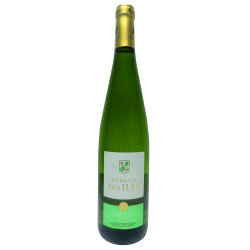
Gros Plant du Pays nantais: Out to the Bay of Bourgneuf
Gros Plant du Pays nantais spans 68 villages in the Loire-Atlantique, Maine-et-Loire and Vendée departments. Its area starts around Ancenis and runs west through the Pays de Retz out to the Bay of Bourgneuf, on the Atlantic coast. Sea breezes keep the summers cool.
From a Brandy Grape to a White Wine Grape
As a port trading with the cities of northern Europe, Nantes drew wine merchants early on. Starting in the 16th century, driven by the Dutch, the Nantes vineyard turned to distilling. Folle Blanche, a grape from the Charentes prized for the finesse of its brandies, spread through the area and pushed out the local varieties.
In the soils and climate of the Pays nantais, it soon proved it could also make white wines, which found drinkers across western France. When distilling declined, the vineyards kept making white wine.
After the phylloxera crisis, other grapes from the Charentes joined it in smaller shares. In 1954 it was recognized as a VDQS, then the quality tier just below AOC, and Gros Plant du Pays nantais became a full AOC in 2011.
Four Grams of Sugar at Most: A Light, Dry White
With 4 grams of sugar per liter at most, Gros Plant du Pays nantais falls squarely into the EU's dry category. If it is chaptalized, its alcohol cannot exceed 11%.
The base yield is set at 70 hectoliters per hectare. Because the vines grow vigorously, producers plant fairly close together, prune short and limit the number of fruiting shoots. The plots chosen ripen early and have poor soils.
In the glass, the wine is very pale, with green glints when young. The palate is tangy and lively; the nose is subtle, leaning toward fruit or flowers, often with a briny note.
"Sur Lie": A Higher Ripeness Threshold
Gros Plant du Pays nantais can add the term "sur lie" to its name. It starts in the vineyard: the grapes must be riper, at 153 grams of sugar per liter of juice and 9.5% potential alcohol, versus 144 grams and 9% for Gros Plant without the term.
The wine then ages on its fine lees from the end of fermentation and is still resting on them when it is bottled. It comes out rounder, with a more complex bouquet and sometimes a light spritz.
The term covers grape ripeness and aging; the grapes and the growing area stay the same.
Grape, Food and Muscadet: Your Gros Plant Questions
What grape is Gros Plant du Pays nantais made from?
Gros Plant du Pays nantais is made mainly from Folle Blanche, which must cover at least 70% of each estate's vines. Two other grapes from the Charentes play supporting roles: Colombard, capped at 10%, and Montils. The wine blends them in the same proportions as the vineyard.
What food goes with Gros Plant du Pays nantais?
Gros Plant du Pays nantais is above all a wine for oysters and shellfish, the pairing its home region has long championed. Its tangy palate and frequent briny note also suit mussels, periwinkles or a river fish from the Loire.
What is the difference between Gros Plant du Pays nantais and Muscadet?
Gros Plant du Pays nantais and Muscadet differ first in their grape: Folle Blanche dominates the former, while Muscadet is made from Melon de Bourgogne. Their areas largely overlap around Nantes, and the "sur lie" term appears in both families.
Where can you buy Gros Plant du Pays nantais direct from the winemaker?
You can buy Gros Plant du Pays nantais direct from the winemaker on Avenue des Vins. Every wine's page gives the name of its producer.
See also: AOC Muscadet Sèvre-et-Maine sur lie - Loire white wines - White wines and fish