Delivery from €16,90 per winemaker in Europe (excluding the United Kingdom)

Famille Laudet - Laballe
Côtes de Gascogne wines and Armagnacs from the Laudet family, in the Landes since 1820. Sables Fauves terroir...
Lire plus
Discover Famille Laudet - Laballe in photos

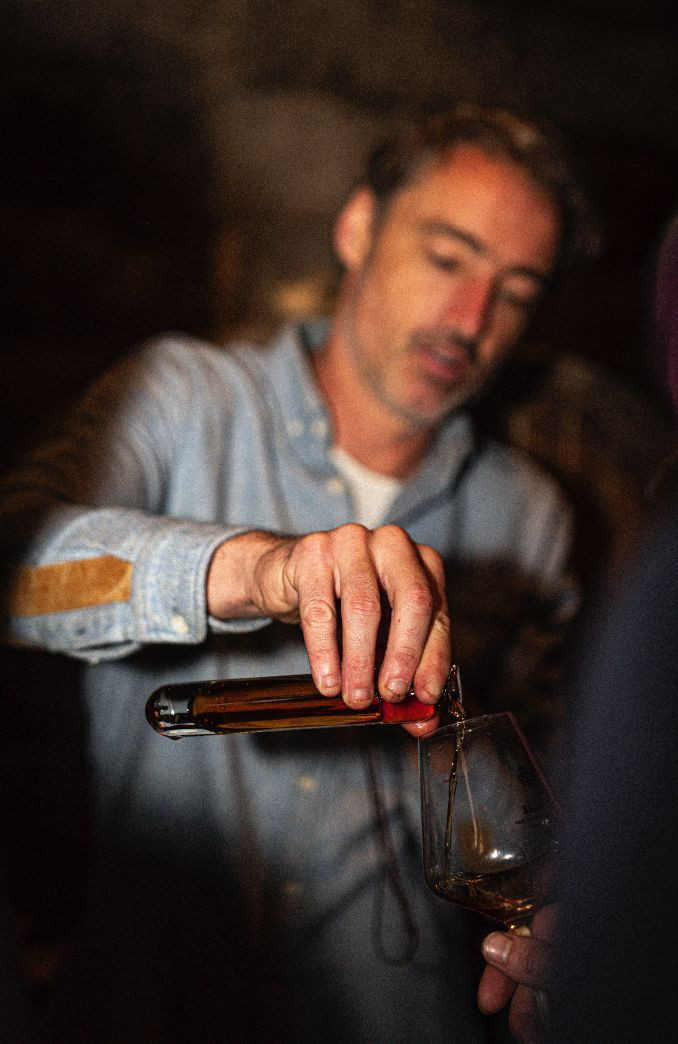


Laballe - the Laudet family, winegrowers and distillers in the Landes since 1820
Landes - Gascony & Bas-Armagnac
Laballe is the story of the Laudet family since 1820, winegrowers and distillers in the Landes. On the "Sables Fauves" terroir of the Bas-Armagnac, eight generations have built a house where everything is done on site, from vine to wine and from distillation to the Armagnac bottle. Côtes de Gascogne wines and Armagnacs, available direct on Avenue des Vins.
Two centuries, eight generations, one same land of sand. At Laballe, each generation has brought its know-how, its innovations and its love of the terroir. The "Sables Fauves", fawn-coloured sands, an exceptional terroir of the Bas-Armagnac in the Landes, give the house's Armagnacs their freshness and finesse. Today Cyril, the eighth generation, is steering the estate towards sustainable viticulture, resistant grape varieties, agroforestry, and shaking up the codes: "Armagnac is back!" Gascony wines and Armagnacs, available direct on Avenue des Vins.
The Laudet family, two centuries of Landes terroir
The adventure begins in 1820, when the Laudet family settled as winegrowers and distillers in the Landes. Since then, eight generations have followed one another at Laballe, each adding its own stone: a skill, an innovation, a way of reading the terroir and a wish to share it. The house has crossed two centuries without ever cutting the bond with its land of sand.
Today it is Cyril, the eighth generation, who holds the helm. With an image firmly rooted in its time, he shakes up the codes of Armagnac while steering the estate towards sustainable viticulture: planting resistant grape varieties such as baco, introducing agroforestry, farming with respect for the land. His watchword sums up the spirit of the house: "Armagnac is back!"
|
||
|
||
|
||
|
||
|
The Sables Fauves, signature of the Bas-Armagnac in the Landes
Bas-Armagnac is the most prized of the three Armagnac zones, and the Landes make up its western edge. Here Laballe farms a particular terroir: the "Sables Fauves", fawn-coloured sands inherited from the region's geological past. This poor, free-draining soil yields eaux-de-vie that are at once fresh and fine, far from Armagnacs that are too heavy, a signature the Laudet family claims as its own.
On these same Gascony lands the house's wines are also born, in Côtes de Gascogne: bright dry whites, fruit-driven reds, thirst-quenching rosés and a mellow sweet wine. And because the future must be prepared, Cyril plants resistant grape varieties such as baco and develops agroforestry, for a vineyard that is more sober and better rooted in its landscape.
Bas-Armagnac in the Landes · the Sables Fauves terroir, free-draining fawn sands
Côtes de Gascogne · dry whites, reds, rosés and sweet wine
Armagnac · ugni blanc and baco, distilled and aged at the estate
Tomorrow · resistant varieties (baco), agroforestry, sustainable viticulture
From vine to bottle, all at the estate
Laballe's great strength comes down to one phrase: everything is done on site. The Laudet family grows its vines, makes its wines, distils its eaux-de-vie and ages them through to bottling, never delegating the essentials. This end-to-end mastery guarantees a constant identity, from the simplest Gascony wine to the most patiently aged Armagnac.
Armagnac, here, is an art of time. The eaux-de-vie, from ugni blanc or baco, age for long years in oak casks before being blended and bottled under names that tell a story: Exode, Résistance. The wines, for their part, play on freshness and fruit, to accompany everyday meals as well as fine tables.
Everything mastered on site
From vine to wine and from distillation to the Armagnac bottle: the Laudet house controls the whole chain.
Two Armagnac grapes
Ugni blanc for finesse, baco for roundness and structure: two signatures of the Bas-Armagnac.
Heading for sustainability
Resistant varieties, agroforestry, respectful farming: the eighth generation is preparing the vineyard's future.
The wines and Armagnacs of Laballe
Four Côtes de Gascogne wines and two Bas-Armagnacs. Vintages and availability change with each bottling: find those offered on the estate's page.
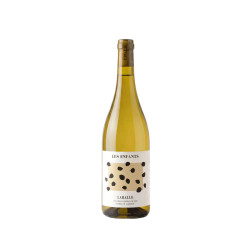
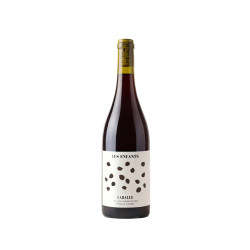
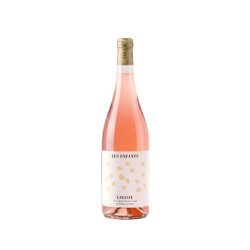
Les Enfants de Laballe - dry white, red, rosé
Côtes de Gascogne · the everyday trio, fresh and moreish
The house's easy-drinking range, in three colours. A bright, aromatic dry white, a supple fruit-forward red, a thirst-quenching rosé: Gascony wines that are easy to love, for the aperitif and the everyday table alike.
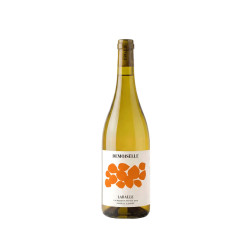
Demoiselle
Côtes de Gascogne, sweet (moelleux)
The house's Gascony sweet wine: tender and fruity, all in softness, to enjoy as an aperitif, with foie gras or a lightly sweet dessert. The Landes' sweet tooth in a glass.
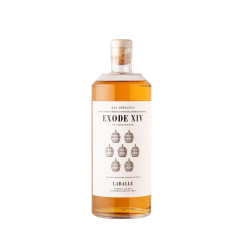
Exode XIV - Armagnac 4 years
Bas-Armagnac · 100% ugni blanc · aged 4 years
A young, lively Armagnac, 100% ugni blanc, aged four years in oak. Ugni blanc signs its finesse and freshness, true to the spirit of the Sables Fauves. To discover neat or in a cocktail, for an Armagnac that dares to be modern.
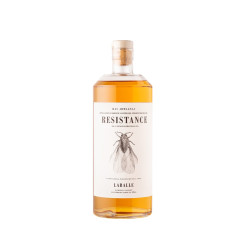
Résistance - Armagnac 10 years
Bas-Armagnac · 100% baco · aged 10 years
The house's Armagnac for keeping, 100% baco, aged ten years. Baco, the emblematic resistant grape dear to Cyril, brings roundness, structure and length. An Armagnac for meditation, to serve at the end of a meal, in the Bas-Armagnac tradition.
Côtes de Gascogne · Bas-Armagnac · Laudet family since 1820 · Careful delivery across France and Europe
Why choose Laballe
Two centuries of family. Since 1820, eight generations of the Laudet family have farmed the vine and distilled Armagnac in the Landes, never leaving their land of sand.
The Sables Fauves terroir. An exceptional land of the Bas-Armagnac in the Landes, which gives the house's eaux-de-vie their freshness and finesse.
From wine to Armagnac, all on site. From vine to wine and from distillation to the bottle, Laballe masters the whole chain, for consistent quality.
A house turned towards tomorrow. Cyril, the eighth generation, is steering the estate towards sustainable viticulture: resistant varieties such as baco and agroforestry.
Direct from the estate. Avenue des Vins gives you access to the wines and Armagnacs of Laballe with no needless middlemen, with careful delivery across France and Europe.
Frequently asked questions about Laballe
Where is the Laballe estate located?
Laballe is a family house in the Landes, in Gascony, on the "Sables Fauves" terroir of the Bas-Armagnac. The Laudet family has been growing vines and distilling there since 1820, producing both Côtes de Gascogne wines and Armagnacs.
Who is the Laudet family?
The Laudet family has run Laballe since 1820. Eight generations have followed one another, each bringing its own know-how and innovations. Today it is Cyril, the eighth generation, who leads the estate, between Armagnac tradition and sustainable viticulture.
What is the "Sables Fauves" terroir?
The "Sables Fauves" (fawn-coloured sands) are a terroir of the Bas-Armagnac in the Landes, dear to Laballe. This poor, free-draining soil is the source of the freshness and finesse that mark the estate's Armagnacs, far from eaux-de-vie that are too heavy.
What wines does Laballe offer?
The house makes Côtes de Gascogne wines: the "Les Enfants de Laballe" range in dry white, red and rosé, and "Demoiselle", a sweet Côtes de Gascogne. Fresh, moreish wines, designed for the aperitif and the everyday table.
What is the difference between a Côtes de Gascogne and an Armagnac?
Côtes de Gascogne is a wine, made from the fermentation of grapes. Armagnac is an eau-de-vie: the wine is distilled, then aged in oak casks for several years. Laballe does both on site, from vine to wine and from wine to Armagnac.
What is the Exode XIV Armagnac?
Exode XIV is a Bas-Armagnac, 100% ugni blanc, aged four years in oak. Ugni blanc gives it finesse and freshness: a young, approachable Armagnac, to enjoy neat or in a cocktail.
What is the Résistance Armagnac and the baco grape?
Résistance is a Bas-Armagnac, 100% baco, aged ten years. Baco is an emblematic, resistant Armagnac grape that Cyril is replanting as part of his sustainable approach. It brings the eau-de-vie roundness, structure and length.
Is Laballe committed to sustainability?
Yes. Cyril, the eighth generation, is steering the estate towards sustainable viticulture: planting resistant grape varieties such as baco, introducing agroforestry and farming with respect for the land. A way of preparing the vineyard's future while respecting the terroir.
How should Armagnac be served and kept?
Armagnac is served at room temperature, in a tulip glass, at the end of a meal. An unopened bottle keeps upright, away from light, for years; once opened, Armagnac keeps for a long time and evolves slowly. The Gascony wines, for their part, are served chilled and drunk fairly young.
Where can I buy the wines and Armagnacs of Laballe direct?
The wines and Armagnacs of Laballe are available on Avenue des Vins, through a short supply chain: the bottles come straight from the estate, with no needless middlemen, and ship to France and to the eligible European countries. The selection and vintages vary with each bottling.
Côtes de Gascogne and Bas-Armagnac - the Laudet house since 1820
Laballe - a family house of the Laudet family, winegrowers and distillers in the Landes since 1820, on the Sables Fauves terroir of the Bas-Armagnac. Cyril, the eighth generation.
Côtes de Gascogne wines (Les Enfants de Laballe white, red, rosé; Demoiselle sweet) and Bas-Armagnacs (Exode XIV 4 years ugni blanc, Résistance 10 years baco) - direct from the estate.