Delivery from €16,90 per winemaker in Europe (excluding the United Kingdom)

Domaine Roche des Bancs
Domaine Roche des Bancs, over 13 ha of organic vines at Mailly: the forgotten Brionnais vineyard, replanted. Chardonnay, pinot gris, gamay, direct...
Lire plus
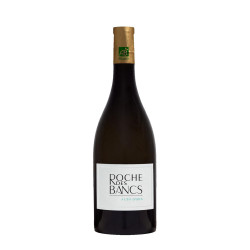
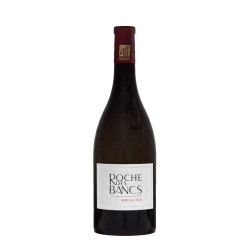
Domaine Roche des Bancs: organic wines from the Brionnais, a Burgundy vineyard brought back to life
Domaine Roche des Bancs - Mailly (Saône-et-Loire, southern Burgundy)
Domaine Roche des Bancs is a certified organic wine estate of more than 13 hectares at Mailly, in Saône-et-Loire. It is replanting the forgotten Brionnais vineyard and makes whites and reds, mostly under IGP Saône-et-Loire, on fossil-bearing marl.
Before phylloxera, close to 4,000 hectares of vines were planted in the Brionnais. Nothing was left of it. Roche des Bancs is one of very few estates to have replanted there, on Toarcian marl full of fossils, certified organic since 2011 and picked entirely by hand. Discover them direct from the grower on Avenue des Vins.
The forgotten Brionnais vineyard, and the people who replanted it
At its height the Brionnais carried close to 4,000 hectares of vines. These hills in southern Burgundy were planted in Roman times, then expanded by religious communities in the Middle Ages. Wine was made here in quantity, and it was known well beyond the district. Today the vineyard has vanished from every wine map.
Phylloxera struck in 1886. The rise of Charolais cattle farming after the Second World War finished the job: vines gave way to pasture. A whole chapter of wine heritage was erased quietly, and nobody objected at the time.
This is not family legend: the IGP Saône-et-Loire specification says so itself. The official text records 3,000 hectares of vines between 1840 and 1900 across just six communes: Mailly, Iguerande, Semur-en-Brionnais, Fleury-la-Montagne, Saint-Julien-de-Jonzy and Saint-Bonnet-de-Cray. In 1930 Fleury alone still had 177 hectares.
In the 1990s Jean-Claude Berthillot set about replanting where no one believed it could be done. He founded Domaine des Fossiles and gave it thirty years. On 1 October 2020 Thierry Hellin and his wife Sophie Barcella, from Burgundy and Champagne, took the estate over.
They renamed it Roche des Bancs, after one of its finest plots, and put real money behind enlarging the vineyard. Jean-Claude Berthillot has not left: he passes his craft on to the team and still represents growers for the IGP Vins de Saône-et-Loire.
Replanting where the vine had gone
"A vineyard as large as it was renowned, today vanished from every map." That is how the estate describes the Brionnais before 1886. Bringing it back is its reason for being, and it remains one of the few trying.
4,000 ha
the vineyard that was
Planted in the Brionnais at its height, before the phylloxera crisis of 1886.
13 ha
of vines today
On the slopes of Mailly, Fleury-la-Montagne, Iguerande, Oyé and Saint-Julien-de-Jonzy, some plots a hundred years old. The vineyard is still growing.
2011
certified organic
The whole vineyard, with no synthetic pesticide and no herbicide, inspected by Bureau Veritas.
100%
hand-harvested
Every grape is picked by hand, including on vines close to 80 years old, where no machine can go.
Toarcian marl full of fossils, at 400 metres
The bedrock of the Brionnais is calcareous marl from the Toarcian, a stage of the Lower Jurassic. It is extraordinarily rich in fossils, and it gave the estate its first name, Domaine des Fossiles. The slopes drain well and face south-east.
The altitude is around 400 metres, higher than Burgundy's established wine country. It gives the wines a freshness that is becoming scarce as the climate warms. The estate calls it Burgundian weather, turned up a notch.
One more thing, and it matters: vines have not been farmed here as a monoculture for decades. That absence has preserved an unusual range of plant life, which the estate works with rather than against.
IGP Saône-et-Loire and Vin de France
Mailly, Fleury-la-Montagne, Iguerande, Oyé and Saint-Julien-de-Jonzy (71)
Most of the range is declared under IGP Saône-et-Loire, a protected geographical indication. The À l'Est d'Eden cuvée is declared as Vin de France. The Brionnais has no appellation of origin of its own.
Six grape varieties, two of them unexpected in Burgundy
The estate grows Burgundy's core varieties: chardonnay and auxerrois for the whites, pinot noir and gamay for the reds. It works vines close to 80 years old and has plots that are a century old. The gamay cuvée L'Aînée comes from old vines.
Alongside them sit two grey-skinned grapes, uncommon in Burgundy: pinot gris and sauvignon gris. They give the Pino Giorgio and Avant l'Aube cuvées. Declaring them under IGP rather than an appellation leaves the estate free to bottle them as single varieties.
The cuvées are small, and some of them tiny. The 2025 gamay L'Aînée comes to 6.78 hectolitres, fewer than a thousand bottles. The pinot gris runs to 5.168 hectolitres. These are plot wines, not volume wines.
Certified organic since 2011, picked entirely by hand
The vineyard has been certified organic since 2011, with no synthetic pesticide and no herbicide. The certification is numbered FR-BIO-10 and is inspected and renewed by Bureau Veritas. All the fruit is picked by hand.
Since autumn 2020 the soil has been worked with a Belhomme hydraulic frame. The tool controls weed growth without chemicals, improves yields without extra fertiliser and reduces frost risk. The estate works with Jacques Moreau, of the firm Symbiose, a specialist in soil agrobiology.
The stated aim is to use as few inputs as possible, so the vines grow more resistant to weather damage and disease. Quality comes before yield. The vines approaching 80 years are kept on even though no machine can work them, out of respect for the work already done there.
Low-intervention winemaking and deliberately long ageing
The reds are destemmed, then macerate for six to nine days before pressing. The whites are pressed straight away. Depending on the cuvée, the wine then goes either into temperature-controlled stainless steel or into oak barrel. Sulphite use is kept measured.
The estate deliberately extends ageing. The idea is to gain finesse and give the wines their place at the table, rather than rush them out. The wines are filtered through kieselguhr and sealed with a DIAM 5 technical closure.
The estate sums up its work in one sentence: a simple, low-intervention process. Everything else follows from that. The cuvées are vinified separately, and each one carries a name.
The Domaine Roche des Bancs white wines
Four whites in the 2025 vintage, from barrel-aged chardonnay to an easy-going sauvignon gris. What they share is the tension and minerality that altitude brings.
Chardonnay Terre Romane 2025
100% chardonnay - IGP Saône-et-Loire, aged in oak barrel
Bright lemon yellow. The nose is rich, with notes of pastry, butter and brioche, and a restrained oak character of toast and gentle roasting, lifted by a minty freshness that balances it out. The attack is fresh and mineral, then the oak brings weight and volume without covering the freshness. The finish is long and toasty.
Fermentation and ageing oak barrel · Cellaring 4 to 7 years · Alcohol 14% vol. · Production 14.90 hl
Chardonnay À l'Est d'Eden 2025
100% chardonnay - Vin de France, temperature-controlled stainless steel
Pale golden yellow, perfectly clear. The nose is firmly mineral, chalky and stony, with white peach and lemony citrus. The palate is all tension and verticality, crystalline, on flint and cool stone. The finish stretches out with a saline lift. A cuvée built on precision rather than power.
Fermentation and ageing temperature-controlled stainless steel · Cellaring 5 to 8 years · Alcohol 14% vol. · Production 40.70 hl
Pinot Gris Pino Giorgio 2025
100% pinot gris - IGP Saône-et-Loire, temperature-controlled stainless steel
Bright pale yellow. The nose is expressive and sweetly fruited: ripe pear, bergamot, marmalade and candied orange, with hazelnut and almond underneath. The palate is round and generous, mouth-filling, without losing its freshness. The finish shows an almond bitterness that lengthens the wine and gives it a lightly saline edge.
Fermentation and ageing temperature-controlled stainless steel · Cellaring 3 to 5 years · Alcohol 12% vol. · Production 5.168 hl
Sauvignon Gris Avant l'Aube 2025
100% sauvignon gris - IGP Saône-et-Loire, temperature-controlled stainless steel
Bright pale yellow. The nose is deliberately restrained, on lightly candied citrus and fruit jelly, with no aromatic excess. The palate is supple and balanced by an appealing freshness. The finish stays light and fruity. An approachable wine that keeps its finesse.
Fermentation and ageing temperature-controlled stainless steel · Cellaring 2 to 3 years · Alcohol 14% vol. · Production 6.135 hl
The Domaine Roche des Bancs red wines
Three reds in 2025, from an airy pinot noir to an old-vine gamay aged in oak. All destemmed, macerated for six to nine days, and made in small quantity.
Gamay Vieilles Vignes L'Aînée 2025
100% gamay - IGP Saône-et-Loire, aged in oak barrel
The estate's old-vine gamay. Deep garnet with purple glints. The nose is powerful and generous, showing ripe red fruit, morello cherry and brandied fruit, with finely toasted oak. The palate is rich and powerful, the tannic frame still firm. An ambitious wine.
Fermentation and ageing oak barrel · Cellaring 5 to 8 years · Alcohol 13.5% vol. · Production 6.78 hl
Pinot Noir Béni Soit 2025
100% pinot noir - IGP Saône-et-Loire, temperature-controlled stainless steel
Bright ruby red with light purple glints. The first nose opens immediately, on small red berries and wild fruit, with a very expressive raspberry and floral notes of peony. The palate is supple from the attack, carried by good freshness. The finish is tangy and refreshing, on white pepper.
Fermentation and ageing temperature-controlled stainless steel · Cellaring 5 years · Alcohol 12% vol. · Production 5.955 hl
Pinot Noir Font Grain 2025
100% pinot noir - IGP Saône-et-Loire, aged in oak barrel
The estate's other pinot noir, in a completely different register. Deep garnet. The nose brings ripe black fruit, blueberry and wild berries together with forest floor, humus and peat, lifted by toasted wood and liquorice. The palate is broad and dense, framed by tannins that are already softening.
Fermentation and ageing oak barrel · Cellaring 10 years · Alcohol 14% vol. · Production 14.57 hl
The estate also bottles other cuvées as the vintages allow, among them the off-dry auxerrois Les Grandes Plantées, the chardonnay En Saute Lièvre, the white Pagus Brianensis and the gamay Sur la Côte. The selection offered on Avenue des Vins changes with the vintages and with the estate's bottling schedule.
Who makes the wine
Thierry Hellin and Sophie Barcella have owned the estate since 1 October 2020. Raphael Baudin, once a horticulture teacher, runs the vineyard; Gilbert Burtin, more than fifteen years in the vines, is head of cultivation. Jean-Claude Berthillot, who built the estate over thirty years, still passes on his winemaking craft.
Organic wines from the Brionnais, southern Burgundy - direct from the estate, shipping across France and Europe
Why choose Domaine Roche des Bancs?
A vineyard nobody expected. The Brionnais had disappeared from the wine maps. Roche des Bancs is one of very few estates to have replanted there, and it has made that its purpose.
Certified organic since 2011. No synthetic pesticide, no herbicide, soil worked with a hydraulic frame, agrobiology advice on the ground, and the whole harvest picked by hand.
Tiny volumes. Fewer than a thousand bottles of the old-vine gamay, around seven hundred of the pinot gris. These are plot cuvées, each vinified on its own.
Grapes you would not expect. Pinot gris and sauvignon gris in southern Burgundy, alongside chardonnay, auxerrois, pinot noir and gamay. The IGP allows single-variety bottlings.
Direct from the grower. You order with no middleman: the estate is paid fairly for its work and your bottles leave Mailly for France and Europe.
Frequently asked questions about Domaine Roche des Bancs
Where is Domaine Roche des Bancs?
The estate is at Mailly, in Saône-et-Loire, in the Brionnais, in southern Burgundy. Its vines are spread over the slopes of Mailly, Fleury-la-Montagne, Iguerande, Oyé and Saint-Julien-de-Jonzy.
What is the Brionnais vineyard?
It is a Burgundy vineyard that has vanished from the maps. It reached close to 4,000 hectares at its height, and the IGP Saône-et-Loire specification records 3,000 between 1840 and 1900 across just six communes in the Brionnais. Phylloxera in 1886 and then Charolais cattle farming wiped it out.
Who owns Domaine Roche des Bancs?
Thierry Hellin and his wife Sophie Barcella, from Burgundy and Champagne, took the estate over on 1 October 2020. They succeeded Jean-Claude Berthillot, who founded it in the 1990s under the name Domaine des Fossiles.
Why was the estate called Domaine des Fossiles?
Because the bedrock of the Brionnais is calcareous marl from the Toarcian, extraordinarily rich in fossils. Thierry Hellin and Sophie Barcella renamed it Roche des Bancs in 2020, after one of the estate's finest plots.
Are the Domaine Roche des Bancs wines organic?
Yes. The whole vineyard has been certified organic since 2011, with no synthetic pesticide and no herbicide. The certification is numbered FR-BIO-10 and is inspected and renewed by Bureau Veritas.
What appellation are the Domaine Roche des Bancs wines sold under?
Most of the range is declared under IGP Saône-et-Loire. The chardonnay cuvée À l'Est d'Eden is declared as Vin de France. The Brionnais has no appellation of origin of its own.
Which grapes grow at Domaine Roche des Bancs?
Chardonnay, auxerrois, pinot noir and gamay, which are Burgundy's core varieties, plus two grey-skinned grapes that are rarer here: pinot gris and sauvignon gris. The estate works vines close to 80 years old and has plots a century old.
What are the Domaine Roche des Bancs cuvées?
In white: Chardonnay Terre Romane, Chardonnay À l'Est d'Eden, Pinot Gris Pino Giorgio and Sauvignon Gris Avant l'Aube. In red: Gamay Vieilles Vignes L'Aînée, Pinot Noir Béni Soit and Pinot Noir Font Grain. Other cuvées appear depending on the vintage.
What is the difference between the estate's two chardonnays?
Terre Romane is fermented and aged in oak barrel: broad, buttery and toasty, with weight. À l'Est d'Eden stays in temperature-controlled stainless steel: it plays tension, flint and salinity. Two readings of the same grape.
What is the difference between the estate's two pinot noirs?
Béni Soit is made in stainless steel: light and airy, on raspberry and peony, best drunk young. Font Grain is aged in oak barrel: dense, on black fruit, forest floor and liquorice, with ten years of cellaring ahead of it.
Which Domaine Roche des Bancs wine suits a meal?
The estate suggests Pinot Noir Font Grain with roast duck and wild mushrooms, and Gamay L'Aînée with a slow-cooked shoulder of lamb in mild spices, or truffle risotto. Chardonnay Terre Romane goes with pan-seared scallops in lemon butter.
Which of the estate's wines works as an aperitif?
Pinot Gris Pino Giorgio, which the estate serves as an aperitif with aged Comté. Chardonnay À l'Est d'Eden works very well with fresh oysters, whose salinity answers the salinity of the wine.
How long do Domaine Roche des Bancs wines keep?
It depends on the cuvée. The sauvignon gris drinks well within two to three years, the pinot gris over three to five, the chardonnays over four to eight depending on how they were made, Gamay L'Aînée over five to eight, and Pinot Noir Font Grain for up to ten years.
At what temperature should these wines be served?
The estate's own sheets give no serving temperature. As a general guide, serve the whites at 10 to 12 °C, a light pinot noir such as Béni Soit at 12 to 14 °C, and the barrel-aged reds at 15 to 17 °C. Store bottles lying down, away from light.
Can you visit Domaine Roche des Bancs?
Yes, by appointment only. The tasting cellar at Mailly receives visitors Monday to Saturday, 10am to 6pm. The estate asks that you get in touch in advance so it can confirm its availability.
Where can I buy Domaine Roche des Bancs wines direct?
You can buy Domaine Roche des Bancs wines direct from the estate on Avenue des Vins, with no middleman and careful shipping across France and Europe. A short supply chain guarantees the origin and traceability of every bottle.
IGP Saône-et-Loire, certified organic vineyard at Mailly (71) - direct sales
Domaine Roche des Bancs - a wine estate of more than 13 hectares at Mailly (Saône-et-Loire), in the Brionnais, southern Burgundy. IGP Saône-et-Loire, certified organic since 2011.
Chardonnay, auxerrois, pinot gris, sauvignon gris, pinot noir and gamay. Cuvées Terre Romane, À l'Est d'Eden, Pino Giorgio, Avant l'Aube, L'Aînée, Béni Soit and Font Grain, direct from the estate.