Delivery from €16,90 per winemaker in Europe (excluding the United Kingdom)

Domaine Les Coteaux de la Gardière
Coteaux de la Gardière in Saint-Nicolas-de-Bourgueil: HVE Cabernet Franc reds direct from the Loire estate...
Lire plus
Discover Domaine Les Coteaux de la Gardière in photos


Les Coteaux de la Gardière: the cabernet franc of Saint-Nicolas-de-Bourgueil, direct
Les Coteaux de la Gardière
A 15-hectare family estate in Saint-Nicolas-de-Bourgueil (Indre-et-Loire), in the Loire Valley, taken over by François Hersard in 2009. A single grape, cabernet franc, on gravel and clay-limestone slopes, with forty-year-old vines and hundred-year-old plots. Reasoned viticulture, HVE certification since 2019, no herbicide since 2022. Five cuvees, Les Coteaux de la Gardière, Centenaire, Franc Soi, Anfora, Pandore, to discover direct.
There are winegrowers who inherit an estate and others who choose it. François Hersard did both: born in his father Daniel's vines, he took over the family estate in 2009 to make it his own, going as far as giving it the name of the hamlet that shelters it. Fifteen hectares of cabernet franc on the slopes of Saint-Nicolas-de-Bourgueil, vines that are sometimes a hundred years old, a concrete tank, a chestnut barrel, two amphorae, and a star at the Guide Hachette des Vins 2026. All to discover direct on Avenue des Vins.
A family of winegrowers, a hamlet, a name
François Hersard did not discover the vine: he grew up in it. His father, Daniel, was a wine grower; the rows, the cellar and the rhythm of the seasons were part of his daily life long before they were his trade. In 2009, he takes over the family estate and becomes an independent winegrower in Saint-Nicolas-de-Bourgueil. The story is already continuing: his own children accompany him in the cellar and the vines whenever they can. The estate today bears the name of the place that shelters it, la Gardière, that hamlet of Saint-Nicolas-de-Bourgueil where the house and the tanks stand, and that of the slopes on which the vines are planted. A way of saying that the wine comes from a precise place before it comes from a family name.
François Hersard, winegrower
« My trade is my passion and I bring it to life every day by taking on new projects, sharing my know-how and taking part in collective actions to promote the Saint-Nicolas-de-Bourgueil appellation. »
|
||
|
||
|
||
|
||
|
||
|
Saint-Nicolas-de-Bourgueil: gravel, clay-limestone and tuffeau
The Saint-Nicolas-de-Bourgueil appellation occupies a narrow band on the right bank of the Loire, between Tours and Saumur, sheltered to the north by the forest and open to the south towards the river. Two families of soils share the vineyard, and the estate works both. The gravel terraces, filtering and early-ripening, give supple, fruity wines, pleasant young: this is where the estate cuvee comes from. The clay-limestone slopes, more demanding, backed onto the tuffeau, that soft Loire Valley limestone in which the region's cellars are dug, hold water better and give wines with more matter and depth. It is this complementarity that explains the gap between a thirst-quenching cuvee and an ageing cuvee at the same winegrower's, on just fifteen hectares.
The grape, for its part, does not change: cabernet franc reigns alone. The people of the Loire call it Breton, a nickname that goes back to river trade and has nothing to do with Brittany. It gives here reds of a deep, almost black ruby, on red fruits, with supple tannins and a lively acidity that keeps the wine upright. The average age of the vines is around forty years; the oldest, hundred years old, are vinified separately.
Reasoned viticulture, no herbicide since 2022
The estate's environmental commitment is not an argument added after the fact: it is a project carried on for more than five years. In 2019, François Hersard obtains the High Environmental Value certification, renewed in 2024. HVE is a public certification that assesses the estate as a whole, biodiversity, input management, fertilisation, water use, and not an isolated plot; the renewal attests that the elements of biodiversity remain largely present on the estate.
The estate has gone further on weeding, which remains the main source of plant-protection products in a vineyard. An electric weeding solution has been put in place, and since the 2022 harvest the vines are worked with no herbicide at all. Other experimental projects are under way, with the same aim: to reduce treatments still further. The estate is not certified organic, and does not claim to be, but the commitment is verified by a third party.
In the cellar: densimetric sorting, concrete, chestnut and amphora
Work in the cellar begins with sorting. The harvest is mechanical and the crop goes through densimetric sorting on arrival: the berries are separated according to their density, which removes the vegetal and insufficiently ripe grains even before the tank. Yields are contained, from 50 to 55 hl/ha depending on the cuvee, well below the ceiling allowed by the appellation.
Then comes the choice of vessel, and that is where the range takes shape. The concrete tank, for Les Coteaux de la Gardière and Centenaire: it retains the heat released by fermentation and respects the fruit without adding anything to it. The chestnut barrel, four months, for Franc Soi: a wood less marking than oak, long used in the Loire Valley, which gives texture without oaking. The amphora, finally, that terracotta which lets the wine breathe without imprinting a taste on it, for Anfora in red (nine months) and Pandore in blanc de noirs (eleven months). Three materials, a single grape: it is the vessel that reveals the faces of cabernet franc.
The cuvees of Les Coteaux de la Gardière
Five cuvees, all one hundred percent cabernet franc: four reds and a blanc de noirs. From the estate cuvee to drink without ceremony to the hundred-year-old vines and the amphora ageings, each tells of a different plot and vessel.
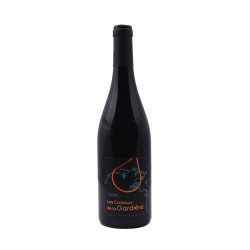
Les Coteaux de la Gardière
AOC Saint-Nicolas-de-Bourgueil, red (100% cabernet franc) - 55 hl/ha - 1 star at the Guide Hachette des Vins 2026 (2023 vintage)
The estate cuvee, born of 40 to 50-year-old vines planted on gravel. Mechanical harvest, densimetric sorting at the cellar, vinification and ageing in concrete tank. Ruby glints, a nose of subtly oaked red fruits, fine, refined tannins: a supple, light wine, made for charcuterie and cheese boards, grilled meats and pizzas. It drinks right away and can keep up to eight years. The 2023 vintage won one star at the Guide Hachette des Vins 2026, with a drinking window between 2026 and 2030.
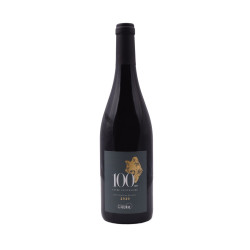
Centenaire
AOC Saint-Nicolas-de-Bourgueil, red (100% cabernet franc) - 50 hl/ha - vines 90 to 100 years old
Harvested on the south-facing clay-limestone slopes, this cuvee comes from the estate's oldest plots, 90 to 100-year-old vines whose roots run deep into the limestone. Mechanical harvest, densimetric sorting, vinification in concrete tank. Ruby glints, a nose of red fruits, a fleshy, round palate: this is the cuvee of depth, for red meats and matured cheeses. It can be drunk young or kept up to eight years.
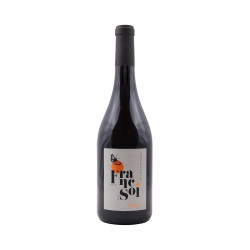
Franc Soi
AOC Saint-Nicolas-de-Bourgueil, red (100% cabernet franc) - 50 hl/ha - aged 4 months in chestnut barrel
The estate's signature cuvee, from 50 to 60-year-old vines on clay-limestone and aged four months in chestnut barrel — a wood of Loire tradition, more discreet than oak. Ruby glints, a nose of fresh fruit lifted by a minty touch, coated tannins. It pairs with white and red meats alike and stands up to a chocolate dessert. To drink within four years, or right now for the more impatient.
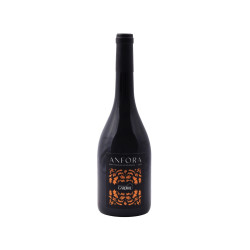
Anfora
AOC Saint-Nicolas-de-Bourgueil, red (100% cabernet franc) - aged 9 months in amphora
The prestige cuvee. Vines of 50 to 60 years on clay-limestone, a yield limited to 750 litres, and nine months of ageing in amphora: the terracotta lets the wine breathe without giving it the slightest woody note. The result is fresh, fruity and expressive on the nose, balanced and fluid on the palate, ample, with fine, coated tannins. To serve with white or red meats; ageing potential of five years.
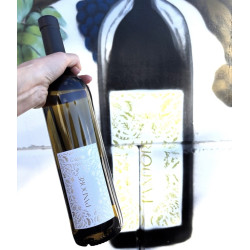
Pandore
AOC Saint-Nicolas-de-Bourgueil, blanc de noirs (100% cabernet franc) - aged 11 months in amphora
A blanc de noirs of cabernet franc: the colourless juice is vinified without the skins, then aged eleven months in amphora. From sixty-year-old vines on clay-limestone, with a yield limited to 750 litres, it first surprises by its minerality before wrapping the palate in softness. A crystalline robe, a fruity and mineral nose, a lively, balanced palate that turns round in a second phase. Shellfish, fish, cheeses and hot cheese dishes; to drink within three years. A truly singular cuvee.
What the critics say
The Guide Hachette des Vins 2026 awarded one star to the cuvee Les Coteaux de la Gardière 2023, in Saint-Nicolas-de-Bourgueil: a selection covering 8,150 bottles, with a drinking window between 2026 and 2030, a recommended serving temperature of 14 to 16 °C and pairings oriented towards aperitif, world cuisine and red meats. The guide highlights the quality of the fruit typical of the house, served on this vintage by firmer tannins set to melt. This is the estate's third selection in the guide.
Direct - Saint-Nicolas-de-Bourgueil, cabernet franc, HVE
Why choose Les Coteaux de la Gardière?
One grape, five faces. One hundred percent cabernet franc, but a concrete tank, a chestnut barrel and two amphorae: the range reads like a demonstration.
Hundred-year-old vines. Average age around forty years and 90 to 100-year-old plots reserved for the Centenaire cuvee.
Recognition from the Guide Hachette. One star at the Guide Hachette des Vins 2026 for the 2023 vintage of the estate cuvee, the estate's third consecutive selection.
A verified commitment. HVE certification since 2019, renewed in 2024, electric weeding and no herbicide since the 2022 harvest.
Direct from the winegrower. The bottles leave François Hersard's cellar, with no extra middleman, for France and the European countries eligible for delivery.
Frequently asked questions about Les Coteaux de la Gardière
Where is the Les Coteaux de la Gardière estate located?
Les Coteaux de la Gardière is a 15-hectare estate at 224 rue de la Gardière, in Saint-Nicolas-de-Bourgueil (37140), in Indre-et-Loire. The vines are all planted on the Saint-Nicolas-de-Bourgueil appellation, in the Loire Valley, and more precisely on the slopes that overlook the right bank of the Loire, between Tours and Saumur.
Who is François Hersard, the winegrower of Les Coteaux de la Gardière?
François Hersard is an independent winegrower in Saint-Nicolas-de-Bourgueil. The son of a wine grower, he grew up among the vines alongside his father Daniel before taking over the family estate in 2009. He runs the vineyard and the winemaking himself, is involved in the appellation's collective actions, and already involves his children in the work of the cellar and the plots.
Which grape variety does Les Coteaux de la Gardière grow?
The estate works a single grape: cabernet franc, known as Breton in the Loire Valley. It is the king grape of Saint-Nicolas-de-Bourgueil. It gives here wines of a deep, almost black ruby, on red fruits, with supple tannins and a lively acidity that brings freshness. All the estate's cuvees, reds and blanc de noirs, come from it at 100%.
What is the terroir of Les Coteaux de la Gardière?
The estate's 15 hectares are split between two types of soil. The gravel plots, lighter, give supple, fruity wines to drink fairly young. The clay-limestone slope plots, backed onto the tuffeau, that soft limestone of the Loire Valley, bring on the contrary matter, structure and depth. The average age of the vines is around forty years, some plots are hundred years old.
Is the Les Coteaux de la Gardière estate organic?
The estate is not certified in organic farming: it is grown under reasoned viticulture and certified High Environmental Value (HVE) since 2019, certification renewed in 2024. HVE is a public certification that assesses the whole estate, in particular the maintenance of biodiversity and the reduction of inputs. Since the 2022 harvest, the estate works with no herbicide at all and has invested in electric weeding.
What are the cuvees of Les Coteaux de la Gardière?
The estate offers five cuvees, all cabernet franc: Les Coteaux de la Gardière, the estate cuvee, supple and fruity; Centenaire, born of the oldest plots; Franc Soi, the signature cuvee aged in chestnut barrel; Anfora, the prestige cuvee aged in amphora; and Pandore, a blanc de noirs aged eleven months in amphora. The vintages available change with the bottlings.
What is the Centenaire cuvee?
Centenaire is a Saint-Nicolas-de-Bourgueil red from the estate's oldest plots, 90 to 100-year-old vines planted on south-facing clay-limestone slopes. The yield is limited to 50 hl/ha and vinification is in concrete tank. The wine plays on ruby glints, a nose of red fruits and a fleshy, round palate. It is served with red meats and cheeses, and can be kept up to eight years.
What is the Anfora cuvee, aged in amphora?
Anfora is the estate's prestige cuvee, a cabernet franc aged nine months in amphora. The amphora is a terracotta vessel that lets the wine breathe without giving it a woody taste, unlike the oak barrel: the fruit and the terroir come to the fore. The wine is fresh, fruity and expressive, balanced and fluid on the palate, with fine, coated tannins. It pairs with white and red meats and keeps about five years.
What is a blanc de noirs, like the Pandore cuvee?
A blanc de noirs is a white wine made from a black-skinned grape: the colourless juice is separated from the skins so that it does not take on colour. Pandore is a blanc de noirs of cabernet franc, from sixty-year-old vines, aged eleven months in amphora. The robe is crystalline, the nose fruity and mineral, the palate lively and balanced then frankly round. To serve with shellfish, fish, cheeses and hot cheese dishes; to drink within three years.
Why is the Franc Soi cuvee aged in chestnut barrel?
Franc Soi is the estate's signature cuvee, aged four months in chestnut barrel. Chestnut, long used in the Loire Valley before oak took over, marks the wine less than the latter: it brings texture and length without dressing the fruit in heavy woody notes. The nose plays on fresh fruit and a minty touch, the tannins are coated. It drinks with white or red meats and chocolate desserts, within four years.
How long can the wines of Les Coteaux de la Gardière be kept?
It depends on the cuvees. Pandore drinks within three years, Franc Soi within four, Anfora around five; Les Coteaux de la Gardière and Centenaire can hold up to eight years. All are also enjoyed in their youth: these are wines that do not require the cellar to give pleasure. Keep the bottles lying down, away from light, between 10 and 14 °C, and serve the reds around 14-16 °C.
Which dishes to serve with a Saint-Nicolas-de-Bourgueil from Les Coteaux de la Gardière?
The Les Coteaux de la Gardière cuvee pairs with charcuterie and cheese boards, grilled meats and pizzas; Centenaire calls for red meats and matured cheeses; Anfora suits white as well as red meats; Franc Soi surprises with a chocolate dessert; Pandore, the blanc de noirs, is served with shellfish, fish and hot cheese dishes. Loire cabernet franc is also the classic companion of rillettes and cold meats.
Which Les Coteaux de la Gardière wine to give or choose to discover the estate?
To discover the estate, start with the Les Coteaux de la Gardière cuvee: supple, fruity and immediate, it is the one that earned the estate a star at the Guide Hachette des Vins 2026 on the 2023 vintage. To give as a gift, Centenaire, from 90 to 100-year-old vines, and Anfora, aged in amphora, are the two most singular cuvees. Pandore, a blanc de noirs of cabernet franc, makes the most unexpected gift for a curious enthusiast.
Can the estate be visited and can one taste on site?
Yes. The estate welcomes visitors at 224 rue de la Gardière in Saint-Nicolas-de-Bourgueil, Monday to Friday, as well as Saturday and Sunday by appointment.
Can the wines of Les Coteaux de la Gardière be bought directly?
Yes: the wines of François Hersard are bought here directly from the winegrower, with no extra middleman, with shipping across France and the European countries eligible for delivery. You receive the bottles just as they were aged in Saint-Nicolas-de-Bourgueil, from the concrete tank to the amphora, from the Gardière cellar to your table.
Saint-Nicolas-de-Bourgueil, direct from the winegrower
Les Coteaux de la Gardière: a 15-hectare family estate at 224 rue de la Gardière, in Saint-Nicolas-de-Bourgueil (37140, Indre-et-Loire), in the Loire Valley. Independent winegrower: François Hersard, set up in 2009 after taking over the family estate. Single grape: cabernet franc, known as Breton. Gravel soils and clay-limestone slopes backed onto the tuffeau, forty-year-old vines on average, hundred-year-old plots. Reasoned viticulture, High Environmental Value certification since 2019 renewed in 2024, electric weeding, no herbicide since the 2022 harvest. Mechanical harvest with densimetric sorting at the cellar, yields of 50 to 55 hl/ha, ageings in concrete tank, chestnut barrel and amphora.
Cuvees: Les Coteaux de la Gardière, Centenaire, Franc Soi, Anfora (reds) and Pandore (blanc de noirs) - AOC Saint-Nicolas-de-Bourgueil - 1 star at the Guide Hachette des Vins 2026