Delivery from €16,90 per winemaker in Europe (excluding the United Kingdom)

Domaine Le Ver Libre
Domaine Le Ver Libre in Rasteau: certified organic Rhône Valley wines, Syrah and Grenache, direct from the estate...
Lire plus
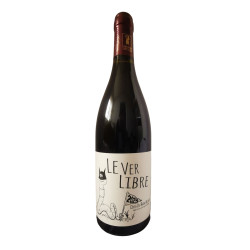
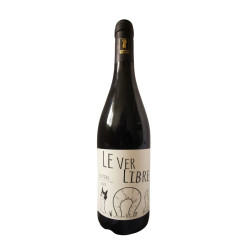
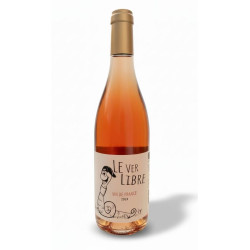
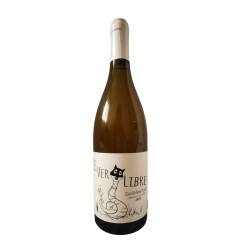
Discover Domaine Le Ver Libre in photos
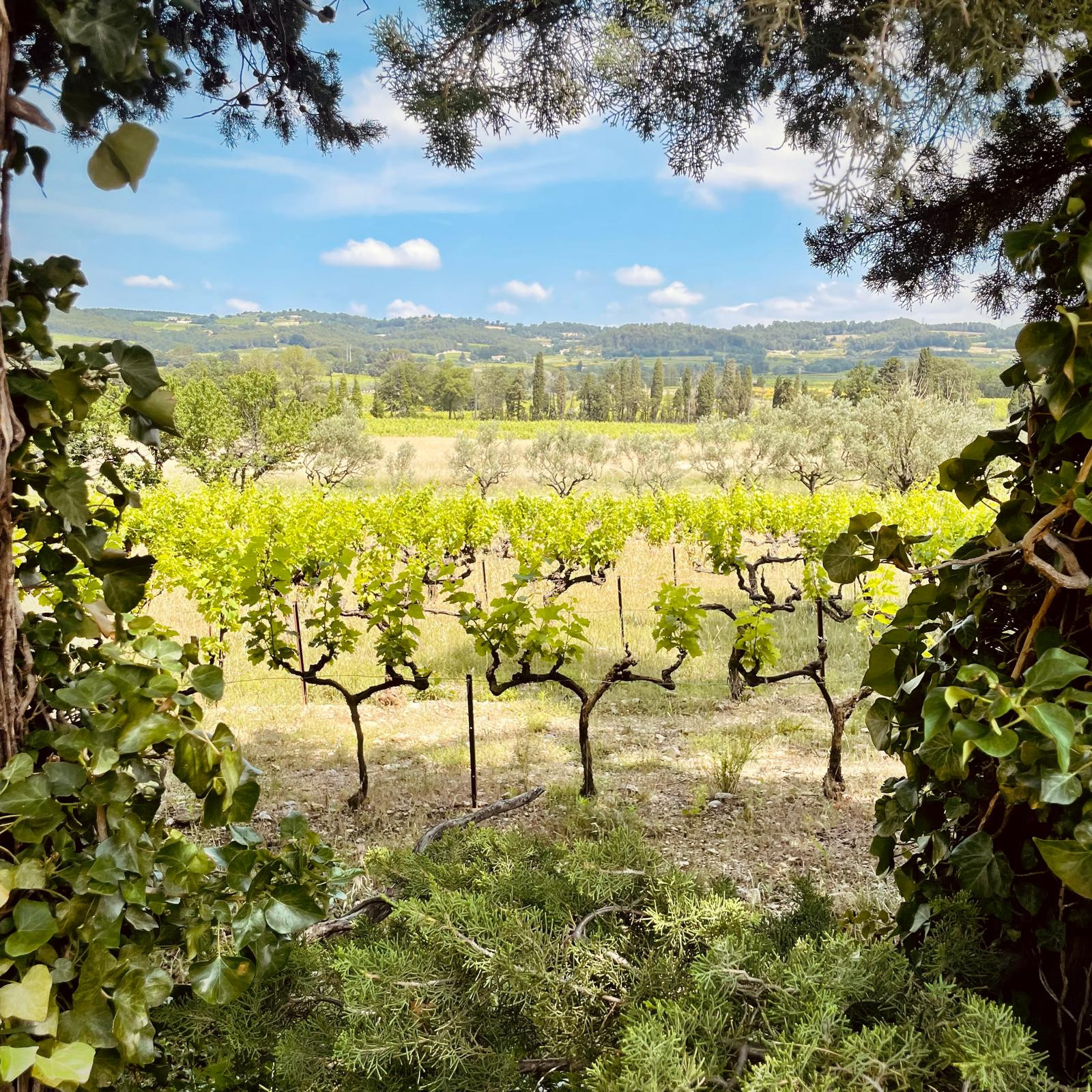
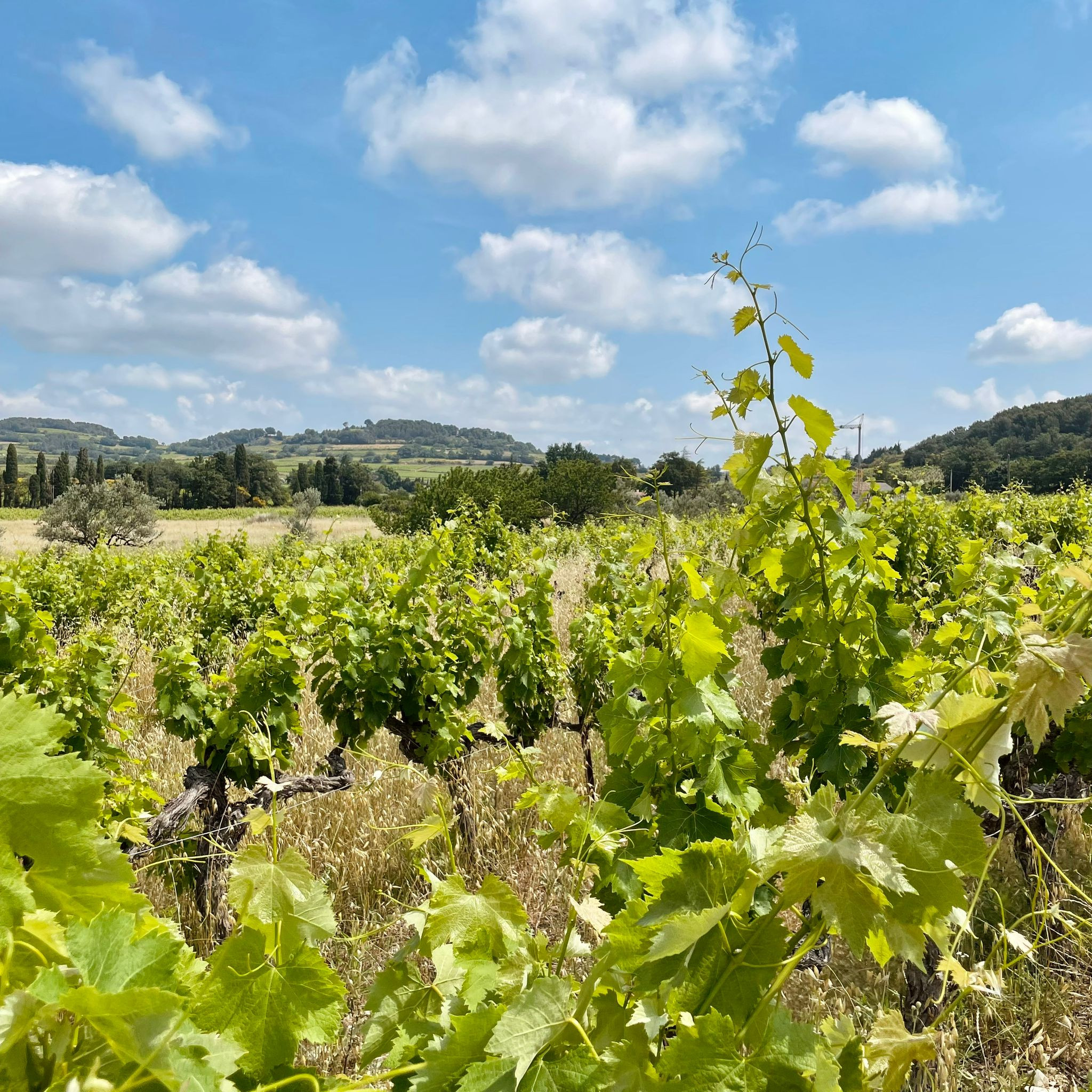

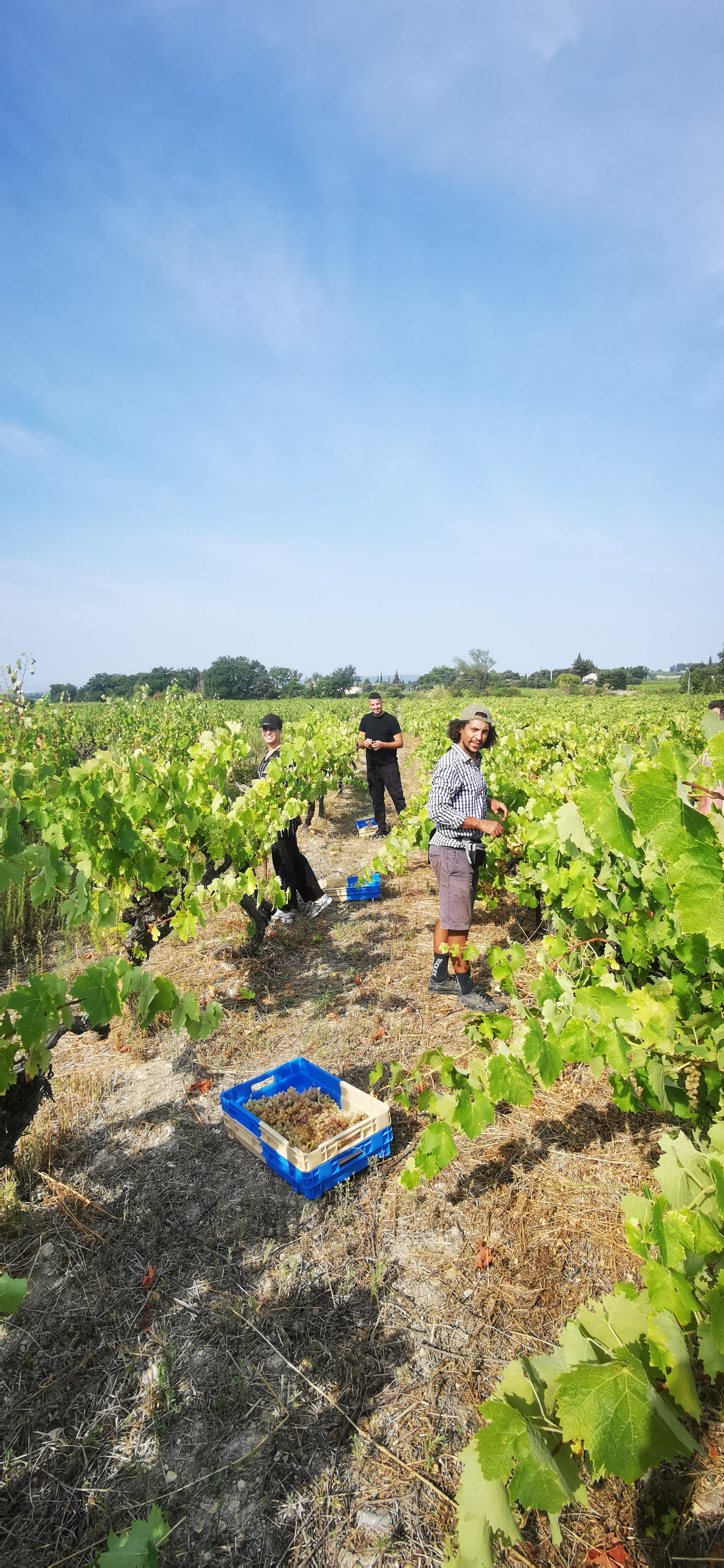
Domaine Le Ver Libre: living organic wines from Rasteau, by Tiphanie Morin and Gregory Tison
Domaine Le Ver Libre - AOC Rasteau and Côtes du Rhône Villages (Rasteau, Vaucluse)
The Domaine Le Ver Libre is an organic 7-hectare estate in one block, including 5 hectares of vines, in Rasteau (Vaucluse), between Rasteau and Cairanne. Since 2022, Tiphanie Morin and Gregory Tison have produced a Rasteau red, Côtes du Rhône Villages red and white and an orange wine, certified by Ecocert, fermented with native yeasts and lightly or not at all sulphited.
An old farmhouse, vines averaging fifty years and a duo who bet everything on it in 2022. At Ver Libre, no heavy machine passes between the rows: the grass grows, the earthworms work the soil, and the grapes are picked by hand, in small crates. Out come living Rasteau and Côtes du Rhône Villages, made in a few hundred or a few thousand bottles, and already rewarded with a star at the Guide Hachette from the very first vintage to discover direct on Avenue des Vins.
Tiphanie and Gregory, from bottlers to winegrowers
Tiphanie Morin and Gregory Tison have known each other for more than ten years: their friendship goes back to their teens. It is on returning from a round-the-world trip that they decide to found an estate together. In 2022, they fall for a property set between Rasteau and Cairanne: an old farmhouse, its outbuildings and its vine lands, all in one block. The purchase is signed in May 2022.
Before signing their own cuvees, the duo used to bottle other people's wine. Tiphanie and Gregory are bottling contractors: with their truck and equipped trailer, they go to the region's winegrowers, right into the most hard-to-reach estates. This second trade, which they still practise, keeps them in contact with their vine neighbours and gave them the urge to write their own story, bottle after bottle.
At the estate, the roles are clear without being compartmentalised. Tiphanie is in the vines: winter pruning, disbudding, trellising, topping, then harvest bunch by bunch. Gregory is in the cellar: destemming, pressing, fermentations, blends. But everything is done as a pair, from pruning to bottling. As for the name, it plays on four French homonyms: the earthworm you let work, the green of the free grass between the rows, the glass in which the wine is served, and the verse of the poem you would like it to evoke.
Tiphanie Morin and Gregory Tison, winegrowers
« We look after the soils as much as our vines, and do so as if they were our children. [...] We favour quality over quantity, always! »
|
||
|
||
|
||
|
||
|
A terroir between Rasteau and Cairanne, under the mistral
The estate is set in Rasteau, in the Vaucluse, with Mont Ventoux and the Dentelles de Montmirail on the horizon. Long known for its vins doux naturels, Rasteau was recognised in 2010 as a Côtes du Rhône cru for its dry reds, an appellation where grenache plays the leading role. The Ver Libre vines face the valleys of Cairanne and Rasteau, split between a plain part and slopes.
The soils are mostly clay-limestone, with marl and more silty or sandy veins depending on the plots. The vines face north and north-west, an orientation that spares the grapes under the Vaucluse sun. Natural springs and a nearby watercourse in the plain keep freshness in the soil, even at the height of summer. The climate is Mediterranean, hot, dry summers, mild winters and the mistral, sweeping the vineyard, helps the bunches stay healthy.
AOC Rasteau and Côtes du Rhône Villages - Rasteau (Vaucluse)
Clay-limestone, marl, silt and sand - vines averaging 50 years
5 hectares of vines in one block, planted with seven grapes: grenache noir, syrah, mourvèdre, carignan noir and tempranillo in red, ugni blanc and clairette in white. Enough to compose blends faithful to the southern Rhône Valley.
An organic vineyard, run on biodynamic principles
From their arrival, Tiphanie and Gregory chose to run the estate on the principles of biodynamics, agroecology and regenerative agriculture an approach that seeks to rebuild the life and fertility of the soils rather than exhaust them. Concretely: no heavy machinery in the rows, no intensive soil work, and a permanent plant cover, simply mown or cut. Spontaneous plants are left in place and observed: many are bio-indicators, which tell of the health of the earth.
To protect the vine, the winegrowers mainly use plant-based preparations, fermented extracts, decoctions, herbal teas, macerations, whey, and, in some vintages only, a tiny dose of copper. To feed the soils, they spray many micro-organisms and add basalt. The course is set: a resilient farming system for the long term, which stores carbon and cuts pollution to the lowest.
The estate is certified in organic farming by Ecocert since its purchase in May 2022. The winegrowers say it frankly: a label does not tell everything that happens in a vine, and it weighs on a small holding, in time as in money. Yet they obtained it from the first year and their practices go well beyond the specifications.
In the cellar: native yeasts, few inputs and in-house bottling
The harvest is by hand, in small crates, with strict sorting from the vine. In the cellar, deliberately simple, the watchword is to intervene as little as possible: fermentations start with native yeasts, the grape is handled gently and with as few machines as possible, and all the wines go through malolactic fermentation. The reds are destemmed, then ferment for ten to twenty days.
The only input used is sulphur, in low doses and on certain cuvees only, mostly at bottling. The reds are generally neither sulphited nor filtered; the orange wine receives no added sulphite. The wines meet the criteria of the vin methode nature, with less than 30 mg/L of SO2. Ageing takes place in stainless-steel or fibre tank, in oak barrel and in amphora.
A last step, and not the least for professional bottlers: the bottling is done at the estate, by Tiphanie and Gregory themselves. From the gentle pruning, which respects the path of the sap, to the corking, no outside hand intervenes.
The cuvees of the Domaine Le Ver Libre
Four wines today, in red, white and orange, all certified organic and made in small series: from fewer than 300 to fewer than 3,000 bottles per cuvee depending on the vintage. Two appellations, Rasteau and Côtes du Rhône Villages, and a Vin de France off the beaten track.
Rasteau red
AOC Rasteau - Grenache 70%, Mourvèdre 20%, Syrah 10%
The estate's flagship cuvee. Grenache of 40 to 70 years, Mourvèdre of 40 years and a touch of younger Syrah, destemmed, fermented with native yeasts and aged in stainless-steel tank. Deep purple robe; plum, cherry and stone fruits over a cocoa base, then a broad palate with firm tannins and a lingering finish. The 2022 vintage received one star at the Guide Hachette des Vins 2026. Served between 14 and 16 °C, it calls for a leg of lamb, game, a rib of beef or assertive cheeses; it is also the estate wine with the most ageing potential.
Côtes du Rhône Villages red
AOC Côtes du Rhône Villages - Grenache, Syrah, Mourvèdre, Carignan, Ugni blanc
A blend of five grapes: 45-year-old Grenache (40%), Syrah and Mourvèdre (20% each), Carignan and a touch of Ugni blanc (10% each). Tiny yields of 10 to 15 hL/ha, winemaking with no added yeast and ageing in fibre and stainless-steel tank, generally with no sulphite or filtration. Intense purple colour; fresh red fruits sliding towards cherry and liquorice, a round, supple attack, fine tannins. A sharing red, for a roast poultry, grilled meats or a charcuterie board.
Côtes du Rhône Villages white
AOC Côtes du Rhône Villages - Ugni blanc 70%, Clairette 30%
Ugni blanc and Clairette, in their white and pink versions, on vines of about forty years. The whole bunches are pressed directly, then the wine ferments with its own yeasts and is aged in stainless-steel tank. It is very lightly sulphited at bottling, sometimes slightly filtered. A luminous straw robe; poached pear, white fruits and gentle spices, cinnamon and saffron; a full palate tightened by a saline finish. To try with a fish in sauce, a poultry in cream sauce or a goat's cheese.
Orange wine
Vin de France - 100% Ugni blanc, skin maceration, old oak barrel
A white wine vinified like a red: the Ugni blanc macerates with its skins, which gives it its amber colour and a light tannic frame. Ageing in old oak barrel, no added sulphite, no filtration, and barely a few hundred bottles per vintage. On the nose, candied apricot and bitter orange, smoky spices, notes of tea; on the palate, a mineral freshness and melted tannins. A wine of discovery, to try with spicy cooking, a tagine or matured cheeses.
Coming soon at the estate: a rose and a vin doux naturel (VDN), the historic speciality of the Rasteau appellation. The vintages offered change with the bottlings, always in small quantities.
What the critics say
For its very first vintage, the estate enters the Guide Hachette des Vins: the Rasteau red 2022, presented under the name « Le Ver Libre », wins a star in the 2026 edition. The guide notes an intense wine, on blackcurrant sweet, gingerbread and star anise. The estate is also a member of the Vignerons Independants de France.
Direct from Rasteau - organic wines, careful delivery across France and Europe
Why choose the wines of the Domaine Le Ver Libre?
Living wines, without make-up. Native yeasts, little or no sulphite, no filtration on the reds: each bottle keeps the imprint of its grape and its year.
A vine treated as a living soil. Organic certified by Ecocert, principles of biodynamics and regenerative agriculture, no heavy machinery and a permanent plant cover.
Rarity, in the true sense. Yields of 10 to 15 hL/ha on certain cuvees, hand-harvesting and runs of a few hundred to a few thousand bottles.
Recognition from the start. One star at the Guide Hachette des Vins 2026 for the Rasteau red 2022, the estate's first vintage.
Direct from the winegrower. You order without a middleman the wines of Tiphanie and Gregory, shipped to France and the European countries eligible for delivery.
Frequently asked questions about the Domaine Le Ver Libre
Where is the Domaine Le Ver Libre located?
The Domaine Le Ver Libre is in Rasteau, in the Vaucluse (84110), on the road to Cairanne, between the villages of Rasteau and Cairanne, with Mont Ventoux and the Dentelles de Montmirail on the horizon. It covers about 7 hectares in one block, including 5 hectares of vines, around an old farmhouse.
Who are the winegrowers of the Domaine Le Ver Libre?
The estate is run by Tiphanie Morin and Gregory Tison, friends since their teens, who founded it in 2022 on returning from a round-the-world trip. Tiphanie runs the vineyard, from pruning to harvest; Gregory vinifies and blends. They do everything as a pair, up to bottling, a trade they also practise as contractors for other winegrowers.
Why is the estate called "Le Ver Libre"?
The name plays on four French homonyms: ver, vert, verre and vers. The earthworm (ver), which aerates the soil without being crushed by machines; the green (vert) of the grass, free to grow between the rows; the glass (verre), where the wine is tasted; and the verse (vers), because the winegrowers would like their wine to be savoured like a poem. Their whole way of working is held in this play on words.
Which wines does the Domaine Le Ver Libre produce?
The estate produces a Rasteau red (AOC Rasteau), a Côtes du Rhône Villages red, a Côtes du Rhône Villages white and an orange wine as Vin de France. A rose and a vin doux naturel are in preparation. All the cuvees are certified organic and produced in small quantities.
Which grape varieties are grown at the Domaine Le Ver Libre?
Seven grapes: grenache noir, syrah, mourvèdre, carignan noir and tempranillo for the reds, ugni blanc and clairette for the whites. The reds rely mainly on grenache, syrah, carignan and mourvèdre; the white blends ugni blanc and clairette, and the orange wine is a pure ugni blanc. The vines average 50 years old.
Is the Domaine Le Ver Libre organic?
Yes: the estate is certified in organic farming by Ecocert since 2022. It goes further than the organic specifications by drawing on biodynamics and regenerative agriculture, which aim to restore the life and fertility of the soils: no heavy machinery, no intensive soil work, a permanent plant cover, plant-based treatments and inputs of micro-organisms. Only the organic certification is claimed; biodynamics here is a working method, not a label.
Are the Ver Libre wines natural or sulphite-free?
They are living wines, made with as few inputs as possible and meeting the criteria of the vin methode nature (less than 30 mg/L of SO2). Fermentations are with native yeasts. The reds are generally neither sulphited nor filtered, the orange wine receives no added sulphite, and the white is very lightly sulphited at bottling to protect it.
What is the orange wine of the Domaine Le Ver Libre?
It is a white wine by maceration: the ugni blanc juice ferments in contact with the skins, as for a red, which gives it an amber colour and a light tannic structure. At Ver Libre, it is 100% ugni blanc, aged in old oak barrel, with no added sulphite or filtration, and produced in a few hundred bottles. It is sold as Vin de France.
What is the Rasteau appellation?
Rasteau is a cru of the southern Rhône Valley, in the Vaucluse. Long renowned for its vins doux naturels, it is also recognised since 2010 as an appellation for dry reds, where grenache plays the leading role. The Ver Libre Rasteau is a fine example: 70% grenache of 40 to 70 years, completed by mourvèdre and syrah.
Has the Domaine Le Ver Libre received any awards?
Yes: from its very first vintage, the estate obtained one star at the Guide Hachette des Vins 2026 for its Rasteau red 2022, presented to the guide under the name "Le Ver Libre". The estate is also a member of the Vignerons Independants de France.
Which Ver Libre wine to serve with meat?
For red meat, game or lamb, choose the Rasteau red, powerful and structured, served between 14 and 16 °C; it also stands up to assertive cheeses. For a roast poultry, grilled meats or a simpler meal, the Côtes du Rhône Villages red, round and supple, will be more at home. The white and the orange wine find their place with fish in sauce, white meats or spicy cooking.
How to keep the Domaine Le Ver Libre wines?
Lightly sulphited or not at all, these wines need a cool, stable cellar, away from light, bottles lying down. The Rasteau red, the most concentrated, has the best ageing potential and can evolve over several years. The Côtes du Rhône Villages red, the white and the orange wine are happily enjoyed earlier, on their fruit and freshness. Once opened, the bottle keeps corked in the fridge for a few days.
Which Ver Libre wine to give as a gift or discover first?
For a gift, the Rasteau red stands out: it is the flagship cuvee, starred in the Guide Hachette for the 2022 vintage, with real ageing potential. To discover the estate's style, the Côtes du Rhône Villages red is the best gateway. And to surprise a curious enthusiast, the orange wine, made in a few hundred bottles, makes a rare present. Organic, living wines produced in very small quantities: that is where their value for money is played out.
Can the Domaine Le Ver Libre be visited?
The estate welcomes enthusiasts for tasting and on-site sales, in Rasteau, on the road to Cairanne. As the opening hours are not published, it is best to contact the estate before coming: the two winegrowers share their time between the vineyard, the cellar and their bottling business.
Where to buy the Domaine Le Ver Libre wines direct?
The wines of the Domaine Le Ver Libre are available here, direct from the estate, with no extra middleman, with shipping across France and the European countries eligible for delivery. You receive the wines just as Tiphanie and Gregory bottled them in Rasteau, from their vines to your table.
Organic Rasteau and Côtes du Rhône Villages, direct from the winegrower
Domaine Le Ver Libre: 7 hectares in one block, including 5 of vines, in Rasteau (Vaucluse), between Rasteau and Cairanne, founded in 2022 by Tiphanie Morin and Gregory Tison. Certified organic by Ecocert, conduct inspired by biodynamics and regenerative agriculture, clay-limestone and marl soils, vines averaging 50 years. Hand-harvesting, native yeasts, little or no sulphite, in-house bottling.
Cuvees: Rasteau red (AOC Rasteau), Côtes du Rhône Villages red and white, orange wine (Vin de France) - grapes grenache, syrah, mourvèdre, carignan, tempranillo, ugni blanc, clairette