Delivery from €16,90 per winemaker in Europe (excluding the United Kingdom)

Domaine FL
Domaine FL, 58 hectares of certified organic vines in Rochefort-sur-Loire. The Savennières and Layon chenin of Julien Fournier, direct from the estate.
Lire plus



Discover Domaine FL in photos


Domaine FL: organic chenin from Rochefort-sur-Loire, between Savennières and the Layon
Domaine FL - Rochefort-sur-Loire (Maine-et-Loire, Anjou)
Domaine FL is a family wine estate in Rochefort-sur-Loire, in Anjou. Philip Fournier founded it in 2006 and his son Julien Fournier has run it since 2009. Its 58 hectares, certified organic since 2009, lie along the Loire across seven appellations, from Anjou Blanc to Quarts de Chaume Grand Cru.
The initials FL stand for Fournier and Longchamps, the founder's parents. In Rochefort-sur-Loire, Julien Fournier farms a vineyard of schist and aeolian sand where chenin blanc gives taut Savennières and concentrated Layon. Certified organic, hand-picked, with no malolactic fermentation on the whites: Domaine FL is available direct from the grower on Avenue des Vins.
From Philip to Julien Fournier: twenty years in Anjou
It starts in 2006. Philip Fournier sets up his estate in the heart of Anjou and names it after his parents, Fournier and Longchamps. The initials stuck: FL.
In 2009 his son Julien Fournier takes over. With his team he reshapes the estate into a working wine destination, with a modern cellar in Rochefort-sur-Loire, a shop and a tasting room open to visitors.
That same year the vineyard converts to certified organic farming. The decision covers the whole chain, from vine to cellar, and it has not changed since.
What drives Domaine FL
Revealing the terroirs rather than imposing a house style: that is the estate's line. Several cuvées are named after a plot or a place: Le Cochet, which surrounds the buildings, Chamboureau, which rings the château of the same name, La Croix Picot. Each plot is vinified for what makes it different.
2006
founded
Philip Fournier creates Domaine FL in Anjou and names it after his parents, Fournier and Longchamps.
2009
handover and organic conversion
Julien Fournier takes over from his father. The vineyard is certified organic the same year.
58 ha
along the Loire
Plots spread over the slopes above the Loire, around Rochefort-sur-Loire and Savennières.
7
appellations
Savennières, Savennières Roche aux Moines, Anjou Blanc, Anjou Villages, Coteaux du Layon, Coteaux du Layon 1er Cru Chaume and Quarts de Chaume Grand Cru.
Savennières, Anjou, Layon: the terroirs of Domaine FL
The Domaine FL vineyard sits on the slopes bordering the Loire, between Rochefort-sur-Loire and Savennières, south-west of Angers. The estate itself stands in Rochefort-sur-Loire, at the place called Le Cochet.
Two soil stories run through it. Around the cellar, the Le Cochet plots rest on schist and clay, the dark soils of the Anjou noir, where the cabernets ripen. In Savennières, the subsoil combines sandstone schist, rhyolite and aeolian sand: poor, free-draining ground that gives chenin its tension.
Savennières is a small appellation with a reputation well beyond the Loire. It covers only three villages, Bouchemaine, Savennières and La Possonnière, and grows a single grape, chenin blanc. Domaine FL holds several plots there, from the village cuvée to the named sites of La Croix Picot and Chamboureau.
Seven appellations, one estate
Rochefort-sur-Loire (49) - schist, rhyolite and aeolian sand - hand harvest
Domaine FL works Anjou Blanc, Anjou Villages, Savennières, Savennières Roche aux Moines, Coteaux du Layon, Coteaux du Layon 1er Cru Chaume and Quarts de Chaume Grand Cru: seven appellations from a single vineyard, from dry whites through to liquoreux, the French term for a richly sweet wine.
Chenin blanc, cabernet franc, cabernet sauvignon
Chenin blanc makes every white on the estate, dry and sweet alike. It gives the Savennières, the Anjou Blanc Les Bergères and the Coteaux du Layon Les 4 Villages, on its own in the bottle each time.
In red, Domaine FL grows cabernet franc and cabernet sauvignon on the schist of Le Cochet. The first brings raspberry and violet, the second structure and frame. Cabernet franc also makes a sparkling rosé by the traditional method, J'Adore.
Picking is by hand on the seven cuvées listed here. On the Coteaux du Layon it is done par tries successives: pickers go through the same plot several times, taking only the berries that have reached the right concentration. Yields stay low, between 30 and 45 hectolitres per hectare.
The FL style: no malolactic, long ageing
One technical decision defines Domaine FL: no malolactic fermentation on the white wines. The estate keeps the natural acidity of chenin, which makes the wines tauter and lets them age longer.
Malolactic fermentation turns sharp malic acid into softer lactic acid. Many whites use it to round out the palate. By skipping it, the estate keeps the aromatic intensity of the fruit and the freshness of its wines.
Ageing then changes with every cuvée: fourteen months on full lees in stainless steel for Les Bergères, nine months in wooden vats for the Savennières, oak barrels for La Croix Picot and Chamboureau, 600-litre demi-muids for Les 4 Villages. The sparkling J'Adore spends sixteen months on laths before disgorging.
The Domaine FL cuvées on Avenue des Vins
Seven cuvées are available direct from the estate: four dry whites, one red, one Coteaux du Layon liquoreux and one sparkling rosé. All come from the certified organic vineyard and are picked by hand.
Les Bergères 2024
Anjou Blanc - 100% chenin blanc - 12.5% vol.
The estate's opening wine. Apple and lemon on the nose, a broad, suave attack, a dense and elegant palate, then a mineral, very fresh finish. Fourteen months on full lees in stainless steel, 0.5 g/l residual sugar. Serve with goat cheese, scallops or a blanquette de veau.
Terroir clay and sandstone schist, vines 25 to 30 years old · Harvest by hand, 5 to 21 October 2024, 45 hl/ha · Ageing 14 months on full lees in stainless steel, no malolactic fermentation · Analysis 12.5% vol., 0.5 g/l residual sugar · Farming certified organic
Savennières 2023
Savennières - 100% chenin blanc - 12.5% vol.
The village cuvée, the way into the appellation. Citrus and white flowers on the nose, fresh fruit and fine tension on the palate. Nine months in wooden vats, 2 g/l residual sugar, five to ten years of cellaring. Good with oysters or an asparagus omelette.
Terroir sandstone schist and aeolian sand, vines 10 to 15 years old · Harvest by hand, 13 September to 9 October 2023, 45 hl/ha · Ageing 9 months in wooden vats, no malolactic fermentation · Analysis 12.5% vol., 2 g/l residual sugar · Cellaring 5 to 10 years · Farming certified organic
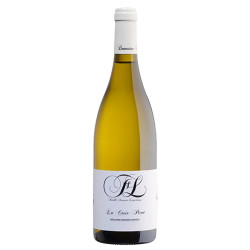
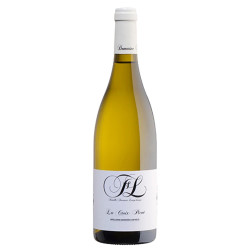
La Croix Picot 2023
Savennières - 100% chenin blanc - 12.6% vol. - 93/100 James Suckling
A plot of vines 25 to 30 years old, held to 30 hectolitres per hectare. Nine months of fermentation and ageing on full lees in oak, then three months in vat. Citrus, white flowers and a straight line through to a saline finish. Serve with a fine fish or an aged goat cheese.
Terroir sandstone schist and aeolian sand, vines 25 to 30 years old · Harvest by hand, September 2023, 30 hl/ha · Ageing 9 months on full lees in oak, then 3 months in vat, no malolactic fermentation · Analysis 12.6% vol., 0.6 g/l · Bottled September 2024 · Farming certified organic
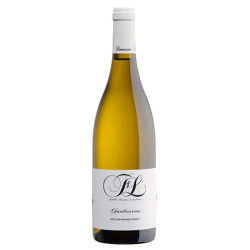
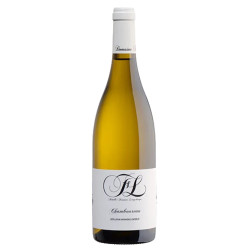
Chamboureau 2022
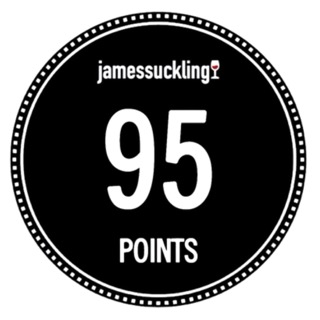
Savennières - 100% chenin blanc - 13.2% vol. - 95/100 James Suckling
The plot wrapped around the château of the same name, in the eastern part of the village. Twelve months in oak on full lees, then six months in vat, at 30 hectolitres per hectare. Dried flowers, fresh herbs, a mineral edge; soft attack and long yellow-fruited finish. Sea bass with citrus, Comté, Asian dishes.
Terroir sandstone schist and aeolian sand, vines 20 to 25 years old · Harvest by hand, 8 September 2022, 30 hl/ha · Ageing 12 months on full lees in oak, then 6 months in vat, no malolactic fermentation · Analysis 13.2% vol., 0.6 g/l · Bottled April 2024 · Farming certified organic
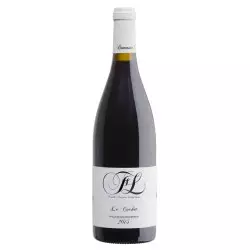
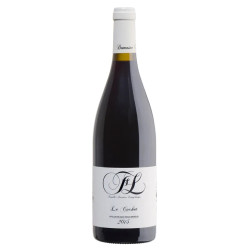
Le Cochet 2018
Anjou Villages - 80% cabernet franc, 20% cabernet sauvignon - 14.8% vol.
The estate red, from the plots that surround the buildings. Twelve months in oak barrels, 15% of them new. Garnet colour, strawberry jam and blackcurrant on the nose, blackcurrant and spice on the palate. Roast chicken, sheep's cheese, red fruit tart.
Terroir sandstone schist, over the schist and clay soils of the Le Cochet plots, vines 25 to 30 years old · Harvest by hand, October 2018, 30 hl/ha · Ageing 12 months in oak barrels, 15% of them new · Analysis 14.8% vol., 1 g/l · Bottled June 2020 · Farming certified organic
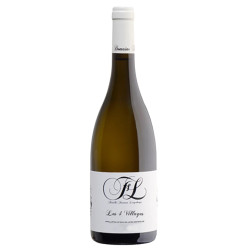
Les 4 Villages 2022
Coteaux du Layon - 100% chenin blanc - 12.1% vol. - 93/100 James Suckling
A liquoreux, a richly sweet white, born of noble rot, caused by a fungus that concentrates sugar in the berry. Picked in successive passes, aged ten months in 600-litre demi-muids, 99 g/l residual sugar. Candied fruit, apricot, honey and acacia blossom. Serve with foie gras, a pear dessert or a blue cheese.
Terroir sandstone schist, vines 30 to 35 years old · Harvest by hand in successive passes, October 2022, 35 hl/ha · Ageing fermented then aged 10 months in 600-litre demi-muids, no malolactic fermentation · Analysis 12.1% vol., 99 g/l residual sugar · Bottled September 2023 · Farming certified organic
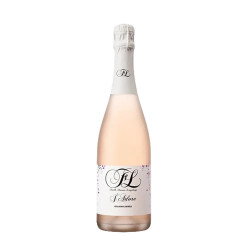
J'Adore
Sparkling rosé, traditional method - 100% cabernet franc - 12.7% vol.
The estate's sparkling wine, made by the traditional method, with a second fermentation in the bottle: nine months in vat on lees, then sixteen months on laths before disgorging. Pale pink, fine persistent bubbles, red fruit and wild strawberry, a clean attack rounded by the mousse. As an aperitif, with a goat cheese pastry or a black cherry clafoutis.
Terroir sandstone schist, vines 5 to 10 years old · Harvest by hand, October 2018 vintage, 30 hl/ha · Method 9 months in vat on lees, then 16 months on laths, disgorged July 2022 · Analysis 12.7% vol., 14.71 g/l · Farming certified organic
The estate also works Savennières Roche aux Moines, Coteaux du Layon 1er Cru Chaume and Quarts de Chaume Grand Cru, the last made only in the best years. The selection available on Avenue des Vins changes with the vintages.
Certified organic since 2009, biodynamics on Roche aux Moines
Domaine FL has been certified organic since 2009 across the whole vineyard. On Roche aux Moines the vines are worked biodynamically: horn manure preparations, the lunar calendar, close attention to soil life. The estate applies the method in its plots without claiming certification.
Organic chenin from Anjou and Savennières - direct from the estate, shipping across France and Europe
Why choose Domaine FL?
A family estate, two generations. Philip Fournier founded it in 2006; his son Julien has run it with his team since 2009, in Rochefort-sur-Loire.
Certified organic since 2009. All 58 hectares carry organic certification, and the seven cuvées listed here are picked by hand.
Chenin built to age. No malolactic fermentation on the whites: the natural acidity stays intact, the wines gain tension and keep better.
Seven appellations from one estate. From Anjou Blanc to Quarts de Chaume Grand Cru, you can taste the full range of Loire chenin, dry to sweet, from a single grower.
Direct from the grower. You order with no middleman: the estate is paid fairly for its work and your bottles leave Rochefort-sur-Loire for France and Europe.
Frequently asked questions about Domaine FL
Where is Domaine FL?
Domaine FL is in Rochefort-sur-Loire, in the Maine-et-Loire, south-west of Angers. Its 58 hectares run along the slopes above the Loire, as far as Savennières.
Who is the winemaker at Domaine FL?
Julien Fournier has run Domaine FL since 2009. He took over from his father Philip Fournier, who founded the estate in 2006, and built it up with his team into a wine destination open to visitors.
What does FL stand for?
FL comes from Fournier and Longchamps, the surnames of Philip Fournier's parents. When he founded the estate in 2006 he combined their two names in the name of the property.
Is Domaine FL organic?
Yes. Domaine FL has been certified organic since 2009 across its whole vineyard. On Roche aux Moines it also works the vines biodynamically, without claiming certification for that method.
Which appellations does Domaine FL produce?
Domaine FL works seven appellations: Anjou Blanc, Anjou Villages, Savennières, Savennières Roche aux Moines, Coteaux du Layon, Coteaux du Layon 1er Cru Chaume and Quarts de Chaume Grand Cru. All of them lie along the Loire, around Rochefort-sur-Loire and Savennières.
Which grapes grow at Domaine FL?
Every white at Domaine FL is chenin blanc, the grape of Savennières and the great white grape of the Loire. In red, the estate grows cabernet franc and cabernet sauvignon on the schist of Le Cochet; cabernet franc also makes the sparkling rosé J'Adore.
What is Savennières?
Savennières is a dry white wine appellation of the Loire Valley, on the right bank, facing the Layon. It covers three villages, Bouchemaine, Savennières and La Possonnière, and grows only chenin blanc. Its soils of sandstone schist, rhyolite and aeolian sand give mineral wines that age well.
Why do the Domaine FL whites skip malolactic fermentation?
The estate blocks it deliberately on all its whites. That second fermentation turns malic acid into lactic acid and softens the palate; by avoiding it, Domaine FL keeps the natural acidity of chenin, the aromatic intensity of the fruit and a longer ageing potential.
Which Domaine FL wine should I start with?
Start with Les Bergères, the estate's Anjou Blanc: a fresh, fruity chenin that works with goat cheese or seafood. If you want to understand Savennières, the village cuvée simply called Savennières is the natural way in.
Which Domaine FL wine goes with foie gras?
Les 4 Villages, the estate's Coteaux du Layon. This liquoreux, with 99 g/l of residual sugar, keeps a lively acidity that stops the pairing from turning heavy. It also works with a blue cheese or a pear dessert.
How long do Domaine FL wines keep?
The estate gives five to ten years of cellaring for its Savennières 2023. The absence of malolactic fermentation gives the whites real ageing potential. Store bottles lying down, away from light, at a steady temperature.
Can you visit Domaine FL?
Yes, by booking ahead. The estate offers a tour of the cellar and the vat room followed by a guided tasting of five wines of your choice, among Savennières, Anjou, Roche aux Moines, Layon and Chaume. It also runs workshops, meals and seminars in its own room. The shop is open Tuesday to Saturday, 10am to 6pm.
Where can I buy Domaine FL wines direct?
You can buy Domaine FL wines direct from the grower on Avenue des Vins, with no middleman and careful shipping across France and Europe. A short supply chain guarantees the origin and traceability of every bottle while supporting a family estate in Anjou.
Organic family estate in Rochefort-sur-Loire (Anjou) - direct sales
Domaine FL - family wine estate in Rochefort-sur-Loire (Maine-et-Loire), certified organic since 2009, across seven appellations of Anjou, Savennières and the Layon.
Chenin blanc, cabernet franc and cabernet sauvignon, hand picking, whites with no malolactic fermentation. Cuvées Les Bergères, Savennières, La Croix Picot, Chamboureau, Le Cochet, Les 4 Villages and J'Adore, direct from the estate.