Delivery from €16,90 per winemaker in Europe (excluding the United Kingdom)

Domaine Claude et Christophe Bléger
Domaine Bléger: organic Alsace direct from the estate in Orschwiller, fourteen generations below Haut-Koenigsbourg...
Lire plus


Discover Domaine Claude et Christophe Bléger in photos


Domaine Bléger, organic Alsace wines in Orschwiller, on the Wine Route
Domaine Claude et Christophe Bléger
A 9-hectare family estate in Orschwiller (Bas-Rhin), at the foot of the Haut-Koenigsbourg castle. Winegrowers since 1630, organic from the very start. Around twenty cuvees a year: the eight Alsace grapes in dry white, Pinot Noir, orange Gewurztraminer, Cremants d'Alsace, Grand Cru Praelatenberg and Late Harvest wines.
At the foot of the Haut-Koenigsbourg castle, in Orschwiller, a Swiss family settled in Alsace in the 17th century and never left. Claude and Christophe Bleger have perpetuated since 1630 one and the same gesture: farming the vine organically, not as a certification to obtain, but as an obvious choice handed down from generation to generation. No artifice. Just the grape, time and their know-how.
History and origin of the estate
The Bleger family comes from Switzerland. It arrived in Alsace during the 17th century and settled at the foot of the Haut-Koenigsbourg castle, a place long recognised for the exceptional richness of its land. Over the generations, the family lived from farming and livestock, prospered, and gradually acquired land on the Haut-Koenigsbourg slopes to develop a wine-growing activity that would eventually take over from the rest.
Winegrowers from father to son and daughter since 1630, Claude and Christophe Bleger today head an estate that embodies three and a half centuries of family continuity on the same Alsace terroir. A rare rootedness, that can be read in every bottle.
Organic from the start, long before the word even existed
The estate has farmed organically from the very start. When the 1960s saw chemical products appear in the Alsace vineyards, the Bleger family did not give in. They are among the rare Alsace houses able to state and prove they have always worked this way.
|
||
|
||
|
||
|
The terroir and its specificities
Domaine Bleger is located at the centre of the Alsace Wine Route, in the village of Orschwiller (Bas-Rhin, 67), at the foot of the prestigious Haut-Koenigsbourg castle. This geographical setting is no accident: the Haut-Koenigsbourg slopes have long been recognised for the richness and diversity of their soils, which give the vines particularly favourable conditions for aromatic expression.
The vineyard covers 9 hectares, spread over 4 villages and around thirty different plots. This fragmentation is not a drawback: it is precisely what allows the estate to work on a great diversity of soil types, and to draw from it around twenty different cuvees a year, each revealing a specific expression of the Alsace terroir.
Work in the vineyard and commitments
At Domaine Bleger, organic is not a recent approach nor a response to a market trend. It is a heritage, a way of working handed down from generation to generation, long before organic certifications existed. Plant selection is rigorous. Planting density is high and pruning short, so each vine produces a small quantity of a very precious grape, concentrated in aromas and matter.
The soil is worked mechanically, five to seven passes a year, to aerate it, stimulate microbial life and encourage deep rooting. No herbicides, no synthetic pesticides. When disease pressure is high, the estate treats only with natural and organic products. Vinification begins in the vines: the harvest is manual, done at ripeness, each bunch sorted at picking. In the cellar, gentle pneumatic pressing, static settling, ageing in large casks, fermentation with indigenous yeasts, then ageing on fine lees for eight to ten months before bottling.
The cuvees of Domaine Bléger
The Bleger range covers the full palette of the seven Alsace grapes, a richness that few 9-hectare estates can claim with such depth. From the dry whites (Sylvaner, Pinot Blanc, Auxerrois, Riesling, Pinot Gris, Muscat, Gewurztraminer, Edelzwicker) to Pinot Noir as red, rosé and oak-aged, from the orange Gewurztraminer to the Cremants d'Alsace, up to the Grand Cru Praelatenberg and the Late Harvests: each grape is grown on the plots whose soil best suits its expression.
Grand Cru Praelatenberg
AOC Alsace Grand Cru - Riesling & Gewurztraminer
The estate's highest address, on a gneiss terroir at the foot of the Haut-Koenigsbourg. A crystalline, elegant minerality: the Riesling is taut and deep, the Gewurztraminer floral and spicy. The Praelatenberg reveals itself after two to three years in bottle and can be enjoyed over ten years.
Vendanges Tardives (Late Harvest)
Gewurztraminer & Pinot Gris - sweet
The estate's sweet cuvees, from grapes harvested at over-ripeness. Gewurztraminer and Pinot Gris unfold a sweet richness and remarkable balance, to enjoy on their own, in meditation, or with a pan-seared foie gras.
Cremant d'Alsace
Brut, Brut Rosé, Extra-Brut & Friandel
Four sparkling cuvees made by the traditional method, from hand-harvested organic grapes: the crisp Brut, the Brut Rosé, the mineral Extra-Brut and the Cremant Friandel. Vinified with indigenous yeasts, for precise bubbles faithful to the Alsace terroir.
The 8 dry white wines
Sylvaner, Pinot Blanc, Auxerrois, Riesling, Pinot Gris, Muscat, Gewurztraminer, Edelzwicker
The full palette of Alsace grapes in dry white, each on the plot whose soil best suits its expression: from the entry-level Sylvaner to Gewurztraminer, by way of Riesling, Pinot Gris, Muscat and the Edelzwicker blend. Terroir wines without artifice.
Pinot Noir
Red, rosé & aged in oak barrels
The only red grape of Alsace, in three versions: a red Pinot Noir, a rosé and a cuvee aged in oak barrels. A range of reds and rosés that few Alsace estates of this size can offer.
Orange Gewurztraminer
Orange wine - skin maceration
A singular cuvee: a Gewurztraminer vinified as an orange wine, by maceration on the skins, which gains texture and aromatic depth. A contemporary expression that rounds out the range, between tradition and daring.
Direct - organic Alsace wines, short supply chain from Orschwiller
What you will only find at Domaine Bléger
Organic since 1630, never once stopping. One of the rare Alsace houses able to prove it has always farmed organically, long before labels.
The Grand Cru Praelatenberg, on gneiss. Riesling and Gewurztraminer of a crystalline minerality, at the foot of the Haut-Koenigsbourg.
Around twenty cuvees on 9 hectares. From Sylvaner to Late Harvest, a complete Alsace panorama, grape by grape.
Indigenous yeasts, always. No commercial yeast: unique wines, faithful to the vintage and the terroir.
Frequently asked questions about Domaine Bléger
Where is Domaine Bléger located?
The Domaine Claude et Christophe Bleger is located in Orschwiller, in the Bas-Rhin (67), at the centre of the Alsace Wine Route, at the foot of the Haut-Koenigsbourg castle. Orschwiller is a village of 650 inhabitants, set on the hillsides that descend towards the Rhine plain.
Are the Domaine Bléger wines organic?
Yes, and always have been. The estate is certified organic (Agriculture Biologique), but it never needed the certification to farm organically: it is a practice inherited from the estate's foundation in 1630, long before labels existed. It is one of the rare Alsace houses able to state and prove it has never used synthetic chemicals.
What are the cuvees of Domaine Bléger?
The estate produces around twenty cuvees: the eight dry whites (Sylvaner, Pinot Blanc, Auxerrois, Riesling, Pinot Gris, Muscat, Gewurztraminer and the Edelzwicker blend), Pinot Noir as red, rosé and oak-aged, an orange Gewurztraminer, four Cremants d'Alsace (Brut, Brut Rosé, Extra-Brut and Friandel), the Grand Cru Praelatenberg (Riesling and Gewurztraminer) and Late Harvest wines (Vendanges Tardives).
What is the Grand Cru Praelatenberg in Alsace?
The Praelatenberg is an AOC Alsace Grand Cru at the foot of the Haut-Koenigsbourg castle. Its gneiss terroir gives a crystalline, elegant minerality, whatever the cuvee. Domaine Bleger makes there a taut, deep Grand Cru Riesling and a floral, spicy Gewurztraminer. These wines reveal themselves fully after two to three years of ageing and can be enjoyed over ten years.
Which grapes are grown at Domaine Bléger?
The estate grows the seven official grapes of Alsace: Riesling, Gewurztraminer, Pinot Gris, Muscat, Pinot Blanc, Auxerrois and Sylvaner, plus Pinot Noir for the reds and rosés. The Edelzwicker is also produced. Each grape is planted on the plots whose soil best suits its natural expression, across the 30 plots spread over 4 villages around Orschwiller.
What sets the Domaine Bléger Cremants d'Alsace apart?
The Cremant d'Alsace of Domaine Bleger is made by the traditional method, from hand-harvested organic grapes. Four cuvees are offered: Brut, Brut Rosé, Extra-Brut and Friandel. Their common thread: a minimalist vinification with indigenous yeasts, which guarantees precise bubbles and an aromatic profile faithful to the Alsace terroir, without standardisation.
Does Domaine Bléger make an orange wine?
Yes: the estate makes an orange Gewurztraminer, vinified by skin maceration. This method gives a white wine with an amber hue, more textured and deeper, which rounds out the range between Alsace tradition and a contemporary approach.
Does Domaine Bléger make a red wine?
Yes: Pinot Noir, the only red grape allowed in Alsace, is made at the estate in three versions: a red Pinot Noir, a rosé Pinot Noir and a Pinot Noir aged in oak barrels, more structured and suited to red meats and game.
What is a Late Harvest (Vendange Tardive) in Alsace?
A Late Harvest is a wine from grapes picked at over-ripeness, richer in sugar. At Domaine Bleger they are made in Gewurztraminer and Pinot Gris: sweet wines of fine balance, to enjoy on their own, in meditation, or with a pan-seared foie gras and desserts.
What dishes to pair with the Domaine Bléger wines?
The dry Riesling goes with freshwater fish, seafood, sauerkraut and fresh cheeses. The Gewurztraminer reveals its character on spices, foie gras, Munster cheese and exotic-fruit desserts. The Pinot Gris shines on roast poultry and mushrooms. The oak-aged Pinot Noir stands up to red meats and game. The Cremant suits the aperitif and celebrations. The Late Harvests are enjoyed on their own or with a pan-seared foie gras.
Does Domaine Bléger offer visits and tastings?
Yes, the estate welcomes visitors in Orschwiller for tastings of organic Alsace wines. Cottages and guest rooms are also available on the Wine Route, allowing you to stay right at the foot of the Haut-Koenigsbourg. For those who cannot travel, the wines are available by direct sale and delivery across France and Europe.
Can the Domaine Bléger wines be bought directly?
Yes: each bottle leaves directly from Orschwiller, vinified and bottled by Claude and Christophe Bleger themselves, with no intermediate warehouse. You receive the wine just as it left the estate's ageing cellar, at the right price, with the traceability of a family estate farming organically since 1630.
Short supply chain - shipped from the estate, in Orschwiller
Domaine Claude et Christophe Bleger: a 9-hectare family estate in Orschwiller (67600, Bas-Rhin), at the centre of the Alsace Wine Route, at the foot of the Haut-Koenigsbourg castle. Winegrowers from father to son and daughter since 1630, in certified organic farming (organic from the start). Thirty plots over 4 villages, 75,000 bottles a year, fermentation with indigenous yeasts, ageing on fine lees.
Cuvees: the eight Alsace grapes in dry white (Sylvaner, Pinot Blanc, Auxerrois, Riesling, Pinot Gris, Muscat, Gewurztraminer, Edelzwicker), Pinot Noir (red, rosé, oak-aged), orange Gewurztraminer, Cremants d'Alsace (Brut, Brut Rosé, Extra-Brut, Friandel), Grand Cru Praelatenberg (Riesling and Gewurztraminer) and Late Harvest wines
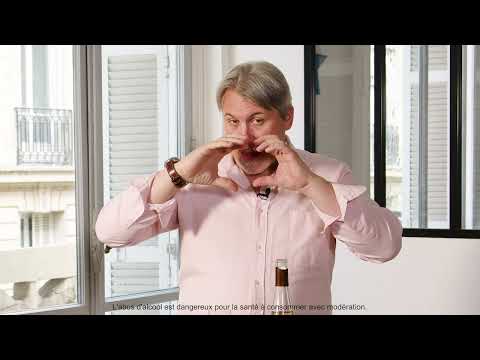
Discover our wines in video