Delivery from €16,90 per winemaker in Europe (excluding the United Kingdom)

Château Maïme
Château Maïme, a Côtes de Provence reference with night harvesting: rosés, whites and reds. Direct from the estate...
Lire plus



Discover Château Maïme in photos


Château Maïme: a safe bet of the Côtes de Provence
Château Maïme - AOP Côtes de Provence, a 40-hectare family estate in Les Arcs-sur-Argens
Château Maïme is a family Côtes de Provence estate of 40 hectares, at the foot of the Maures massif, renowned for its flagship rosé.
At the foot of the Maures massif, in Les Arcs-sur-Argens, Château Maïme stands as a reference of the Côtes de Provence. 40 hectares, night harvests and two signature ranges, Origine and Héritage: wines of a strong Provençal identity, to discover direct from the estate.
At the heart of Provence, at the foot of the Maures massif, Château Maïme stands as an essential reference of the Côtes de Provence appellation. Over a 40-hectare estate, the family property produces exceptional wines in all three colours, with a strong Provençal identity.
The name 'Maïme', which means 'Maxime' in Provençal, pays tribute to a former medieval chapel dedicated to Saint Maxime, present on the estate.
|
||
|
||
|
||
|
||
|
A committed, passionate family estate
For more than 20 years, the Sibran-Garcia family has shaped this vineyard with passion. Jean-Louis Sibran, a trained oenologist, oversees the vineyard, while Brice Garcia, a communications expert, has built a strong visual identity for the brand. Together, they have made Château Maïme a symbol of winegrowing excellence in Provence.
A reasoned viticulture, respectful of the terroir
Château Maïme practises reasoned farming, with harvests carried out at night to preserve the aromatic freshness of the grapes. Each plot is carefully worked, with grapes selected according to the nature of the soils (mica-schist, sandstone, sand).
Soil work, respect for biodiversity and the advice of oenologist Jérôme Paquette make it possible to obtain harmonious blends, praised by the specialist press.
Distinctive, acclaimed wines
The estate's cuvees come in two main ranges: Origine and Héritage, true reflections of the Provençal terroir. The rosé, the estate's flagship, quickly won over Parisian tables and the Côte d'Azur from 1998. Elegant, structured and expressive, Château Maïme wines shine each year in competitions and specialist guides, notably under the attentive eye of Robert Parker.
A flagship rosé, brilliant whites and structured reds: here are the Château Maïme ranges, whose cuvees and vintages on offer change with the seasons.
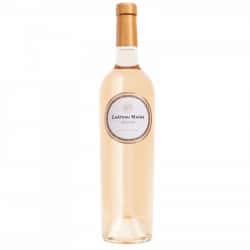
Maïme Rosé
AOP Côtes de Provence - the estate's flagship: from 1998, it won over Parisian tables and the Côte d'Azur.
Origine range
AOP Côtes de Provence - in white, rosé and red: a direct, sincere reflection of the Provençal terroir.
Héritage range
AOP Côtes de Provence - the exceptional cuvees, structured and expressive, praised by the press.
Héritage gift set
A selection to explore the most accomplished cuvees of Château Maïme.
Careful shipping across France and Europe
A heritage between nature, history and modernity
The vineyard is located near the Argens river and the Aurelian Way, a historic place where Roman legionaries already cultivated the vine two millennia ago. Even today, this terroir rich in archaeological remains is showcased by a modern viticulture, rooted in local traditions.
Between the Saint-Maxime chapel, a Roman road and night harvests, which Château Maïme cuvee will you reveal first: the freshness of the flagship rosé or the structure of an Héritage cuvee?
Why choose Château Maïme
A Côtes de Provence reference. 40 hectares at the foot of the Maures massif, with a strong Provençal identity.
A flagship rosé. Winning over Parisian tables and the Côte d'Azur from 1998, the house signature.
Night harvests. To preserve the aromatic freshness and brilliance of the rosés and whites.
Two signature ranges. Origine and Héritage, in three colours, praised by the press and Robert Parker.
Straight from the grower. From the foot of the Maures to your table, your wines travel the shortest route, carefully shipped across France and Europe.
Your questions about Château Maïme
Where is Château Maïme located?
Château Maïme is in Les Arcs-sur-Argens, in the Var, at the foot of the Maures massif, in AOP Côtes de Provence. The family estate spans 40 hectares, near the Argens river and the ancient Aurelian Way.
What does the name 'Maïme' mean?
'Maïme' means 'Maxime' in Provençal. The name pays tribute to a former medieval chapel dedicated to Saint Maxime, present on the estate, a witness to the rich religious and historical past of the site.
Who runs Château Maïme?
For more than 20 years, the Sibran-Garcia family has shaped the vineyard. Jean-Louis Sibran, a trained oenologist, oversees the vineyard, while Brice Garcia, a communications expert, has built the brand's strong visual identity.
Does Château Maïme farm responsibly?
Yes. The estate practises reasoned farming: harvests carried out at night to preserve aromatic freshness, soil work, respect for biodiversity and grape selection according to the nature of the soils (mica-schist, sandstone, sand).
Why is the harvest done at night?
Harvesting at night allows the grapes to be picked at low temperature, preserving their aromatic freshness and natural acidity. It is a major asset for the rosés and whites, which gain in brilliance and precision.
Which grapes and soils at Château Maïme?
Each plot is worked with grapes selected according to the nature of the estate's soils: mica-schist, sandstone and sand. This grape-terroir match, guided by oenologist Jérôme Paquette, yields harmonious, balanced blends.
What are the Château Maïme wine ranges?
The cuvees come in two main ranges: Origine and Héritage, in white, rosé and red, true reflections of the Provençal terroir. The rosé, the estate's flagship, remains the house signature.
What is the difference between the Origine and Héritage ranges?
The Origine range offers a direct, accessible expression of the Provençal terroir, ideal for everyday and the aperitif. The Héritage range gathers the most accomplished cuvees, more structured and expressive, suited to gastronomy and ageing.
Are Château Maïme wines award-winning?
Yes. Elegant, structured and expressive, Château Maïme wines shine each year in competitions and specialist guides, notably under the attentive eye of Robert Parker.
Which dishes pair with Château Maïme wines?
The Maïme Rosé and the whites elevate the aperitif, fish and Mediterranean cuisine; the structured reds of the Origine and Héritage ranges pair with grilled meats, slow-cooked dishes and Provençal cheeses.
Does the estate have a Roman history?
Yes. The vineyard is near the Argens river and the Aurelian Way, a historic place where Roman legionaries already cultivated the vine two millennia ago. The estate is rich in archaeological remains, showcased by a modern viticulture.
Where can you buy Château Maïme wines directly?
You can find the available Château Maïme cuvees here, direct from the estate, carefully shipped across France and throughout Europe. The selection changes with the vintages and deliveries.
Direct from the estate, in Les Arcs-sur-Argens
Château Maïme - A 40-hectare family Cotes de Provence estate in Les Arcs-sur-Argens, the Sibran-Garcia family.
Maïme Rosé, the Origine and Héritage ranges in white, rosé and red