Delivery from €16,90 per winemaker in Europe (excluding the United Kingdom)

Château de Sannes
Château de Sannes, an organic Luberon estate in the regional nature park: rosés, whites and reds. Direct from the estate...
Lire plus




Discover Château de Sannes in photos


Château de Sannes: biodiversity as an art of living in the Luberon
Château de Sannes - Organic AOP Luberon, a haven of biodiversity in the southern Luberon
Château de Sannes is an organic AOP Luberon estate, a 75-hectare haven of biodiversity taken over and reinvented by the Gattaz family in 2017.
In the south of the Luberon, between Ansouis, Lourmarin, Cucuron and La Tour-d'Aigues, Château de Sannes combines vines, lavender, forests and olive trees over 75 hectares. A historic estate born in 1603, reinvented as organic since 2017: fresh, elegant and precise wines, to discover direct on Avenue des Vins.
In the south of the Luberon, between Ansouis, Lourmarin, Cucuron and La Tour-d'Aigues, Château de Sannes unfolds like a parenthesis out of time. Vines, lavender, forests and olive trees draw a luminous, typically Provençal landscape, but far from the clichés: here, everything is real, cultivated, cared for and designed to last.
Nestled at the heart of the Luberon Regional Nature Park, the estate stands at the crossroads of Provence and the Rhône Valley. It is this singular setting that feeds the soul of the Château de Sannes wines: fresh, elegant, precise, rooted in an environment rich in biodiversity.
|
||
|
||
|
||
|
||
|
A centuries-old history, reinvented in 2017
From the Celts to the Romans: the first traces. The lands of Sannes bear Celtic and Roman remains, and sarcophagi unearthed around the Via Domitia. This corner of the Luberon has always drawn people with its natural richness.
1603 - Birth of the estate. Jean de Tisati acquires the land, structures the estate, captures the spring and builds the bastide. His son Melchior gives it its seigneurial face with a chapel, terraces and formal garden.
The Saqui-Sannes - Three centuries of imprint. From the late 17th century, the Saqui-Sannes family embellished and enlarged the estate for nearly 300 years.
From phylloxera to the winegrowing revival. Phylloxera ravaged the vineyard in the 19th century. Madame Faucher-Poilpot revived viticulture in the 1970s. Lord and Lady Hamlyn restored the estate but stopped wine production.
2017 - The Gattaz family rekindles the light. Takeover of the estate, restructuring, plantings, a modern cellar (2020), organic conversion: Sannes is reborn with the ambition of becoming a model of sustainable excellence.
A haven of biodiversity, not a simple wine property
Over 75 hectares: 35 ha of vines, 10 ha of forests, 10 ha of gardens, more than 320 olive trees, 2.5 ha of lavender, a truffle grove, 10 ha of farmland, beehives and a varied fauna. The estate is a complete ecosystem where the vine coexists with a rich, balanced biodiversity.
A committed sustainable approach
Organic conversion from 2017, certification in 2020, zero chemistry, mechanically worked soils, organic amendments: here, biodiversity is the very foundation of the project. This respect for the living is found in the glass, as clean, digestible wines faithful to their origin.
A vineyard that tells the Luberon
35 hectares of vines: black Grenache, Syrah, white Grenache, Vermentino, Ugni Blanc. Three registers: immediate pleasure, gastronomy, confidential micro-cuvees. A modern cellar, parcel precision, the search for clean, luminous, elegant wines.
Set in AOP Luberon, at the hinge of Provence and the Rhône Valley, the estate enjoys cool nights that preserve acidity and aromas: the signature of taut, luminous wines, in all three colours.
The wines of Château de Sannes
As vintages and availability change, the selection shown on Avenue des Vins may vary; here are the estate's three collections.
Plaisir Collection - 1603
1603 Rosé, White and Red: straight, fruity, refreshing wines, the embodiment of the Sannes style.
Gastronomic Collection
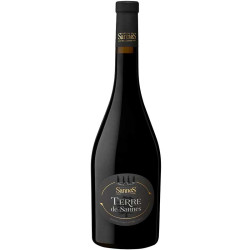
Aciana Rosé, Grand Blanc de Sannes and Terre de Sannes: complexity, depth and fine food-and-wine pairings.
Confidential Collection - Castini
Castini Rosé, White and Red: characterful micro-cuvees, age-worthy wines, maximum expression of the terroir.
Careful shipping across France and Europe
A wine-tourism destination apart
Educational trails, sensory experiences, visits, tastings, cultural evenings: a living place where nature, calm and history create a unique atmosphere.
What are the essential Château de Sannes wines to discover both the estate's biodiversity and the expression of the Luberon terroir in all three colours?
Why choose Château de Sannes
A reinvented historic estate. Born in 1603, taken over and modernised by the Gattaz family since 2017.
A haven of biodiversity. 75 hectares where the vine coexists with forests, olive trees, lavender, a truffle grove and beehives.
An organic viticulture. Certified since 2020: zero chemistry, mechanically worked soils, organic amendments.
Three collections. From the immediate 1603 range to the confidential Castini, the Luberon in all three colours.
Direct from the estate. You order as close as possible to the producer, with careful shipping across France and Europe.
Your questions about Château de Sannes
Where is Château de Sannes located?
Château de Sannes is in the south of the Luberon, between Ansouis, Lourmarin, Cucuron and La Tour-d'Aigues, at the heart of the Luberon Regional Nature Park. The estate produces under AOP Luberon, at the crossroads of Provence and the Rhône Valley.
What is the history of Château de Sannes?
The lands of Sannes bear Celtic and Roman remains, near the Via Domitia. The estate was born in 1603 with Jean de Tisati, then the Saqui-Sannes family embellished it for nearly three centuries. After phylloxera and several revivals, the Gattaz family took over the estate in 2017.
Who runs Château de Sannes today?
Since 2017, the Gattaz family has taken over the estate and completely restructured it: plantings, a modern cellar (2020) and organic conversion. Sannes is reborn with the ambition of becoming a model of sustainable excellence in the Luberon.
Is Château de Sannes organic?
Yes. The organic conversion began in 2017 and certification was obtained in 2020: zero chemistry, mechanically worked soils and organic amendments. Here, biodiversity is the very foundation of the project.
What makes Château de Sannes unique?
The estate is not a simple wine property but a true haven of biodiversity: over 75 hectares, there are 35 ha of vines, 10 ha of forests, 10 ha of gardens, more than 320 olive trees, 2.5 ha of lavender, a truffle grove, 10 ha of farmland, beehives and a varied fauna.
Which grape varieties does Château de Sannes grow?
The vineyard spans 35 hectares planted with black Grenache, Syrah, white Grenache, Vermentino and Ugni Blanc. Parcel precision and a modern cellar make it possible to seek clean, luminous and elegant wines, faithful to the Luberon.
What is AOP Luberon?
AOP Luberon is an appellation of the southern Rhône Valley, in Provence, within the Luberon Regional Nature Park. Its climate, tempered by altitude and cool nights, gives fresh, elegant and aromatic reds, rosés and whites.
What are the Château de Sannes cuvees?
The estate offers three collections: Plaisir (the 1603 in rosé, white and red), Gastronomic (Aciana Rosé, Grand Blanc de Sannes, Terre de Sannes) and Confidential (the Castini in rosé, white and red), age-worthy micro-cuvees.
Which Château de Sannes wines should you discover first?
To discover the estate's style, start with the 1603 range (rosé, white, red), immediate and refreshing. To go further, the Gastronomic Collection (Grand Blanc de Sannes, Terre de Sannes) and the confidential Castini reveal the full depth of the terroir.
Which dishes pair with Château de Sannes wines?
The straight, fruity 1603 wines go with the aperitif and Provençal cuisine; the gastronomic cuvees elevate fish, white meats and cheeses; the age-worthy Castini call for meats, game and fine tables.
Can you visit Château de Sannes?
Yes. The estate is a full-fledged wine-tourism destination: educational trails, sensory experiences, visits, tastings and cultural evenings, in a place where nature, calm and history create a unique atmosphere.
Where can you buy Château de Sannes wines directly?
The available Château de Sannes cuvees can be ordered directly on Avenue des Vins, as close as possible to the estate, with careful shipping across France and throughout Europe. The selection and vintages change with each delivery.
Direct from the estate, at the heart of the Luberon
Château de Sannes - Organic AOP Luberon estate, a 75-hectare haven of biodiversity taken over by the Gattaz family in 2017.
Three collections — 1603, Gastronomic and Castini - in rosé, white and red.
Discover our wines in video
