Delivery from €16,90 per winemaker in Europe (excluding the United Kingdom)

Château Clarettes
Château Clarettes, 17 ha in Les Arcs-sur-Argens: mourvèdre-led Provence wines, AOP Côtes de Provence and IGP Var. Medal-winning since 1923, direct...
Lire plus




Discover Château Clarettes in photos


Château Clarettes: Provence wines from Les Arcs-sur-Argens, built on mourvèdre
Château Clarettes - Les Arcs-sur-Argens (Var, Provence)
Château Clarettes is a Provence estate of 17 hectares of vines in Les Arcs-sur-Argens, in the Var. Relaunched in 2012 by twelve friends brought together by wine, it makes whites, rosés and reds in AOP Côtes de Provence and IGP Var, from a vineyard where mourvèdre is the main grape.
Mourvèdre is the majority grape here, which is unusual in this corner of Provence: the late ripener behind rosés that keep. The estate has been winning medals since 1923, sits on the remains of a Roman villa, and weeds by machine alone. Available direct from the grower on Avenue des Vins.
From Les Clarètes to Château Clarettes: an estate relaunched in 2012
The estate lies one kilometre north of the medieval village of Les Arcs-sur-Argens, on land marked by Roman remains. Its exact origin is hard to pin down. What is known is that it once went by the name Les Clarètes, and that its wines were already winning medals in the 1920s.
Gold medal in Cannes in 1923, gold medal in Paris in 1926: the house has a long habit of competitions. The composer Philippe Parès, known for his operas, later settled at Les Clarettes and pursued his two passions there, music and the vine.
In 2012, twelve friends brought together by wine bought the property and restarted it. The bastide was renovated in 2013, a new winery and tasting cellar were built in 2016, and three hectares of vines were planted on the estate's higher ground in 2020.
A place lived in since Antiquity
In 1982 a vine was deep-ploughed for replanting. Up came bricks, tiles, pottery and human bones. The excavation that followed uncovered the baths of a first-century Roman villa, then a cemetery laid out in the third century. Vines have been worked here for a very long time.
2012
the relaunch
Twelve friends brought together by wine buy Château Clarettes and begin bringing it back up to standard.
17 ha
of vines
Spread across three distinct terroirs: the plain, the slopes and the plateau.
75%
in AOP Côtes de Provence
The rest of the vineyard is declared as IGP Var, for single-variety wines.
1923
first gold medal
In Cannes, then in Paris in 1926. The current cuvées keep winning.
Three terroirs: the plain, the slopes, the plateau
The Château Clarettes vineyard is split between three terroirs that behave very differently, where the clay-limestone soils of the Alps meet the volcanic influence of the Massif des Maures.
The plain, silty clay and sand over brown earth, gives deep, heavy, fertile ground. The slopes, stony sandy clay over red earth, drain freely but stay fairly poor.
The plateau, very stony clay-limestone, is the driest and poorest of the three. Its stones store the day's heat and give it back at night. This is the terroir of the estate's Grande Cuvée Blanc.
AOP Côtes de Provence and IGP Var
Les Arcs-sur-Argens (83) - clay-limestone, sandy clay and silty clay-sand
Three quarters of the vines are classified AOP Côtes de Provence. The remaining plots are declared IGP Var, a regional indication that leaves the estate free to bottle single-variety wines the appellation does not allow, such as chardonnay, sauvignon, viognier or merlot.
Mourvèdre first, a rare choice in this part of Provence
What sets Château Clarettes apart is its planting: mourvèdre is the majority grape, which is unusual in this part of Provence, where grenache dominates almost everywhere.
Mourvèdre is a demanding variety. It ripens late, needs a great deal of sun, and is usually the last picked. In return it gives rosés with structure, able to hold for two to five years, and deep reds on blackberry and blackcurrant.
Around it the estate grows syrah, cinsault, carignan, rolle, clairette, chardonnay, viognier, sauvignon and merlot. The oldest vines go back to 1939 for the cinsault and 1955 for the syrah: they are the source of the Vincèn cuvée.
Reasoned farming, HVE level 3 and 600 sheep
The estate farms under what France calls agriculture raisonnée, a reasoned approach that treats only when needed, and has committed to HVE level 3 certification, the top tier of the French High Environmental Value scheme. And it shows.
Weeding is mechanical only, with no herbicide. Of five treatments a year, the last two are the ones used in organic farming, and none is routine: they are applied only when genuinely necessary.
At the end of each winter, 600 sheep graze between the rows. They clear the grass growing in the vineyard and fertilise it naturally as they go.
Night picking and a gravity-fed winery
Picking runs between 3am and 9am, to use the cool of the night and limit oxidation of the must. The estate alternates hand and machine harvesting to suit each plot. Bunches go straight to the cellar to be sorted, then pressed.
The winery, opened in May 2016 after twelve months of building, uses the slope of the site to receive the crop by gravity. Its rear is partly underground, which holds a cool, steady temperature. Small stacked stainless steel tanks keep pumping to a minimum.
Contact with oxygen is avoided from press to bottle, and bottling is done on site with the estate's own equipment. The rosés go through direct pressing and cold settling, which keeps the pale colour while drawing out the aromas. The reds get only minimal filtration.
Ageing changes with the cuvée: French oak for the Grandes Cuvées red and white, the Mirèio and the chardonnay; carbonic maceration for the Thérapie Rouge; clay amphora, ceramic egg and barrel for the Vincèn.
The Château Clarettes white wines
Five whites, from rolle and clairette in AOP Côtes de Provence to single-variety wines declared as IGP Var. All are served between 10 and 12 °C.
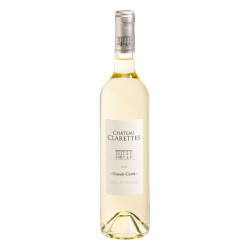
Grande Cuvée Blanc 2022
Rolle 60%, clairette 40% - gold medal, Concours des Vinalies
Pale golden yellow with silvery glints. The nose is complex: pepper, yellow fruit, toasted notes. The attack is lively, carried by fine acidity, and the finish stays mineral and apricot-scented. With poultry or another white meat.
Soil very stony clay-limestone · Ageing French oak · Cellaring 4 to 6 years · Serve 10 to 12 °C
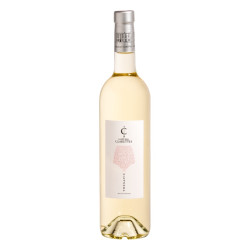
Thérapie Blanc 2025
Clairette 80%, rolle 20%
Pale golden yellow with green glints. A fresh, fruity nose of citrus, Menton lemon first, with some white fruit. Lively on the palate, mineral on the finish. As an aperitif, with a salmon and avocado tartare, octopus risotto or a Caesar salad.
Cellaring 3 to 5 years · Serve 10 to 12 °C
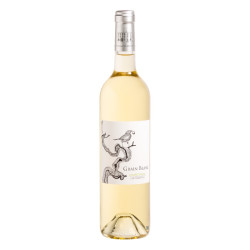
Grain Blanc 2022
100% chardonnay - gold medal, Concours de Mâcon
A Provence chardonnay, barrel-aged. Bright golden yellow, a nose of lemon, honey and spice lifted by floral notes. The attack is supple and round, with a light toasted character. The estate serves it with dessert, a chocolate fondant for instance.
Ageing French oak · Cellaring 6 to 7 years · 2019 vintage gold at the Vinalies, silver at Brignoles
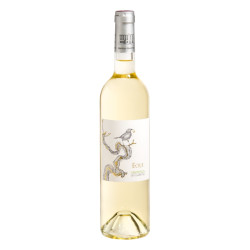
Éole 2023
100% sauvignon - Trophée des Soleils
Yellow with green glints. The nose is aromatic and fresh, on citrus. The palate is dry, markedly fresh, on blackcurrant, boxwood and zest, with a fine balance between drive and roundness. As an aperitif or with a fillet of meagre on a bed of softened leeks.
Cellaring 6 to 7 years · Serve 10 to 12 °C
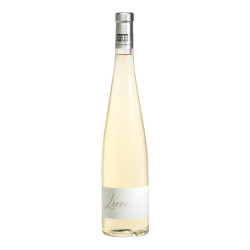
Léoni 2021
Viognier
The estate's viognier, on dried apricot, dried fruit and buttered brioche. The attack is supple, the finish long and lively, with a light vanilla and toast character, on quince. With seafood, blue lobster, suckling pig in apricot sauce or a Morbier.
Cellaring 5 years · Serve 10 to 12 °C
The Château Clarettes rosé wines
Four rosés led by mourvèdre, made by direct pressing and cold settling: the colour stays pale, the aromas and the roundness stay in the glass.
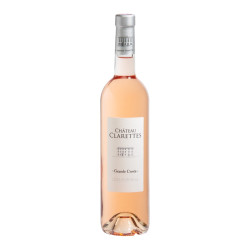
Grande Cuvée Rosé 2025
Mourvèdre 50%, cinsault 45%, syrah 5% - gold medal, Concours des Féminalises 2026
Peach pink, clear and bright. The first nose is restrained and opens with air. The attack is generous and structured, balanced by good acidity, with remarkable length. With gravlax, sushi or a beef carpaccio.
Cellaring 24 to 30 months · Serve 10 to 12 °C
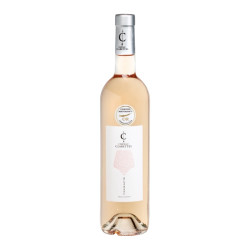
Thérapie Rosé 2025
Mourvèdre 50%, cinsault 40%, syrah 10% - gold medal, Concours des Vignerons Indépendants
Salmon pink with silvery glints. The nose brings a tangy freshness together with lychee and white flowers. The palate is long and fruity, driven by real vivacity. As an aperitif, with cold roast beef, barbecued sea bream or a burrata.
Cellaring 24 months · Serve 10 to 12 °C
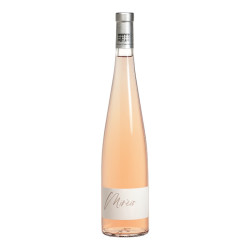
Mirèio 2023
Mourvèdre and cinsault, aged in French oak
A rosé for the table, a long way from a summer rosé. Pale pink with salmon glints, a nose of honey, caramel and mango. The attack is silky and rich, the structure full, on passion fruit, brioche and vanilla. With tuna tataki or a lemon meringue tart.
Soil dry, very stony limestone · Cellaring 4 to 5 years · Serve 10 to 12 °C
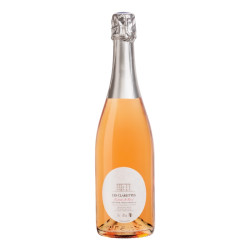
Écume de Rosé
Mourvèdre and cinsault - sparkling, non-vintage
The estate's sparkling wine. Fine, persistent bubbles, pale pink with apricot glints, a spicy, floral nose on vine peach. The attack is lively and structured, the finish long. As an aperitif, with roast lamb fillet and confit peppers, or a strawberry tart.
Soil stony clay · Method 5 days on fine lees, fermentation at 17 °C, second fermentation and 9 months of ageing before disgorgement · Cellaring 2 years
The Château Clarettes red wines
Five reds given only minimal filtration, to keep their aromas and structure. They are served between 15 and 18 °C, Mistral Noir cooler.
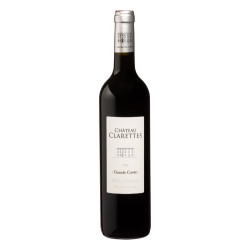
Grande Cuvée Rouge 2019
Mourvèdre 66%, syrah 34% - silver at Mâcon, gold at the Féminalises
Deep ruby red. The first nose is spicy, on toasted notes, before cherry and blackberry settle in. The palate is powerful and structured, very smooth, on black fruit and pepper. The estate keeps it for game.
Ageing French oak · Cellaring 7 to 10 years · Serve 16 to 18 °C
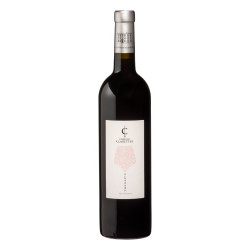
Thérapie Rouge 2022
Mourvèdre 60%, carignan 25%, syrah 15% - carbonic maceration
Carbonic maceration gives this cuvée its fruit and lightness. Mauve-tinged red with pink glints, a fresh nose of cherry, spice and menthol. The attack is fine, acidity holds the structure, the finish is mineral and saline. With goat's cheese.
Cellaring 3 to 5 years · Serve 16 to 18 °C
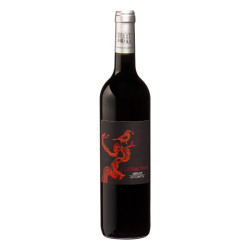
Mistral Noir 2020
100% merlot - silver medal, Concours des Vinalies
A Provence merlot, declared IGP Var. Carmine red with brick-red glints, a nose of blackcurrant bud then black cherry. The attack is lively and balanced, the structure supple and silky. The estate suggests it lightly chilled, as an aperitif or with grilled meat.
Cellaring 8 to 9 years · Serve lightly chilled
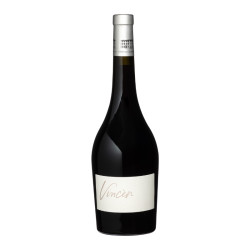
Vincèn 2021
Plot selection: cinsault planted in 1939 and syrah in 1955
The cuvée from the estate's oldest vines, aged in clay amphora, ceramic egg and barrel. Ruby with mauve glints, a complex nose of blackberry and redcurrant lifted by sweet spice. Light, tender tannins. With chicken supreme or a veal escalope Milanese.
Ageing amphora, ceramic egg and barrel · Cellaring 5 years · Serve 15 to 17 °C
Vincèn Amphore 2021
Plot selection: cinsault planted in 1939 and syrah in 1955
The same old-vine selection, in a version built to keep longer. Bright, with deep ruby glints, a mineral and elegant nose of raspberry and blackcurrant. The balance between fruit and supple tannin is striking. With vitello tonnato or a rack of milk-fed lamb.
Cellaring 7 to 10 years · Serve 15 to 17 °C
The selection available on Avenue des Vins changes with the vintages and with what the estate has available.
An estate that wins medals, and has for a century
Gold medal in Cannes in 1923, gold medal in Paris in 1926: the estate already had its place in competitions a hundred years ago. The run continues today: gold at the Vinalies for the Grande Cuvée Blanc 2022, gold at Mâcon for the Grain Blanc 2022, gold at the Féminalises 2026 for the Grande Cuvée Rosé 2025.
Award-winning Provence wines, Les Arcs-sur-Argens - direct from the estate, shipping across France and Europe
Why choose Château Clarettes?
Mourvèdre as the main grape. That is rare in this part of Provence. The late-ripening variety gives rosés that hold for two to five years and deep reds, a long way from the standard poolside rosé.
Wines that win, and have for a century. Winning medals as early as 1923, and still doing so today: gold at the Vinalies, at Mâcon, at the Féminalises and at the Vignerons Indépendants competition on recent vintages.
Farming you can measure. Reasoned farming, a commitment to HVE level 3, mechanical weeding only, two of five treatments identical to organic ones, and 600 sheep at the end of every winter.
A winery built around the wine. The crop arrives by gravity, the building is half-buried, small stacked steel tanks limit pumping, oxygen is kept away and bottling is done on site.
Direct from the grower. You order with no middleman: the estate is paid fairly for its work and your bottles leave Les Arcs-sur-Argens for France and Europe.
Frequently asked questions about Château Clarettes
Where is Château Clarettes?
Château Clarettes is in Les Arcs-sur-Argens, in the Var, one kilometre north of that medieval Provence village. Its 17 hectares of vines are spread over three terroirs: the plain, the slopes and the plateau.
Who owns Château Clarettes?
Twelve friends brought together by wine bought the estate in 2012 to relaunch it. Day to day, production is run by Eric, a Provence-born winemaker who joined in 2001 and handles everything from the vineyard to bottling.
Which appellation are the Château Clarettes wines?
Three quarters of the vines are classified AOP Côtes de Provence. The remaining plots are declared IGP Var, a regional indication that lets the estate bottle single-variety wines the appellation does not allow, such as chardonnay, sauvignon, viognier or merlot.
Is Château Clarettes organic?
No, the estate is not certified organic. It farms under agriculture raisonnée, a reasoned approach, and has committed to HVE level 3 certification. Weeding is mechanical only, and of five treatments a year the last two are those used in organic farming.
What is HVE level 3 certification?
High Environmental Value is a French public certification that assesses the whole farm. Level 3 is the most demanding of the three: it measures biodiversity, plant protection inputs, fertilisation and water use against set thresholds.
Which grapes grow at Château Clarettes?
Mourvèdre is the majority grape, which is unusual in this part of Provence. The estate also grows syrah, cinsault, carignan, rolle, clairette, chardonnay, viognier, sauvignon and merlot.
Why is mourvèdre an unusual choice in Provence?
Because most Provence estates build on grenache. Mourvèdre ripens later, needs a great deal of sun and is picked last. In exchange it brings structure and staying power: rosés that keep and reds with backbone.
What are the Château Clarettes cuvées?
In white: Grande Cuvée Blanc, Thérapie Blanc, Grain Blanc, Éole and Léoni. In rosé: Grande Cuvée Rosé, Thérapie Rosé, Mirèio and the sparkling Écume de Rosé. In red: Grande Cuvée Rouge, Thérapie Rouge, Mistral Noir, Vincèn and Vincèn Amphore.
Which Château Clarettes wine works as an aperitif?
The estate suggests Thérapie Blanc, Éole and Thérapie Rosé. For something more festive, Écume de Rosé, the house sparkling wine, does the job. Mistral Noir, served lightly chilled, also works.
Which rosé suits a meal rather than an aperitif?
Mirèio. Aged in French oak, it is a rosé for the table, rich and broad, on honey and mango, able to hold up to tuna tataki or duck skewers with orange. The structured Grande Cuvée Rosé also goes well with a beef carpaccio.
Which Château Clarettes wine goes with red meat or game?
The Grande Cuvée Rouge, a mourvèdre and syrah blend aged in French oak. Powerful and structured, it is made for game. For grilled meat, Mistral Noir, a supple merlot, is easier to approach.
What is the Vincèn cuvée?
It comes from the estate's oldest vines: cinsault planted in 1939 and syrah in 1955, selected plot by plot. It is aged in clay amphora, ceramic egg and oak barrel. The Vincèn Amphore version keeps for seven to ten years.
How long do Château Clarettes wines keep?
It depends on the cuvée. The rosés keep from 24 months to 5 years, the whites 3 to 7 years, and the reds 3 to 10 years, with the Grande Cuvée Rouge and Vincèn Amphore the longest. Store bottles lying down, away from light.
At what temperature should Château Clarettes wines be served?
Serve the whites and rosés at 10 to 12 °C, the Vincèn cuvées at 15 to 17 °C and the other reds at 16 to 18 °C. The estate recommends Mistral Noir with a light chill, which is unusual for a red.
Can you visit Château Clarettes?
Yes. The tasting cellar is open all year, Monday to Friday 10am to 1pm and 3pm to 5.30pm, and Saturday 10am to 1pm. Winery tours are arranged by appointment.
Where can I buy Château Clarettes wines direct?
You can buy Château Clarettes wines direct from the estate on Avenue des Vins, with no middleman and careful shipping across France and Europe. A short supply chain guarantees the origin and traceability of every bottle.
AOP Côtes de Provence and IGP Var, in Les Arcs-sur-Argens (Var) - direct sales
Château Clarettes - a 17-hectare wine estate in Les Arcs-sur-Argens (Var), Provence. AOP Côtes de Provence and IGP Var, reasoned farming and a commitment to HVE level 3.
Mourvèdre as the main grape, with syrah, cinsault, carignan, rolle, clairette, chardonnay, viognier, sauvignon and merlot. Cuvées Grande Cuvée, Thérapie, Grain Blanc, Éole, Léoni, Mirèio, Écume de Rosé, Mistral Noir and Vincèn, direct from the estate.