Delivery from €16,90 per winemaker in Europe (excluding the United Kingdom)

Champagne Chateau de Boursault
Champagne Château de Boursault, a walled clos in the Marne Valley: rosé, blanc de noirs, prestige. Direct from the producer...
Lire plus

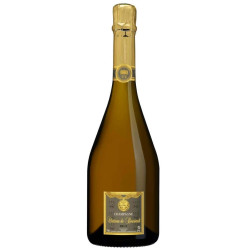

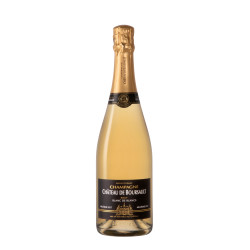
Discover Champagne Chateau de Boursault in photos


Champagne Château de Boursault: a château, a clos, a Champagne legend
Champagne Château de Boursault - Marne Valley, the Fringhian family, a walled clos
Château de Boursault is one of the very few Champagne estates allowed to use the “Château” designation: a walled clos around the château, ten kilometres from Épernay.
In the village of Boursault, ten kilometres from Épernay, Château de Boursault overlooks the left bank of the Marne Valley. A neo-Renaissance château from 1843 with 365 openings, an entirely walled clos, four generations of the Fringhian family: terroir champagnes to discover direct on Avenue des Vins.
In the wine village of Boursault, just ten kilometres from Épernay, Château de Boursault majestically overlooks the left bank of the Marne Valley. Here, champagne is not merely produced: it is part of a history, a landscape and an architecture out of the ordinary.
Built in 1843 on the remains of a former fortified castle of the Barons of Boursault, this neo-Renaissance monument impresses at first glance. Inspired by the Château de Chambord, it displays a fascinating singularity: 365 openings, one for each day of the year. A residence designed to welcome, celebrate and magnify the Champagne art of living.
|
||
|
||
|
||
|
||
|
From Veuve Clicquot to the great history of France
Château de Boursault is closely tied to one of the most emblematic figures of Champagne: Madame Clicquot. In 1843, she gave this château to her daughter and granddaughter, definitively inscribing the estate in the history of the great Champagne houses.
In the 19th century, Boursault became a place of memorable parties and receptions. High society flocked there, champagne flowed freely, and the “Grande Dame” welcomed her most prestigious guests.
The château then lived through history with a capital H: turned into a military hospital during both world wars, it welcomed in 1945 the American soldiers of the legendary 101st Airborne Division, the “Screaming Eagles.”
A rare clos, at the heart of the Champagne terroir
Château de Boursault is one of the very few Champagne estates allowed to use the “Château” designation. Its vineyard has an exceptional feature: the vines directly surround the château, within an entirely walled clos.
Inside this unique perimeter you also find the press, the vat room and the cellars. Here, the notion of terroir takes on its full meaning: a perfect continuity between soil, vine and climate, in one place, without a break.
Responsible, certified viticulture
Aware of the richness of this natural heritage, the estate takes an approach respectful of the vine and the environment. Yields are deliberately limited to favour the concentration and quality of the grapes. This commitment is reflected in a double certification:
Sustainable Viticulture in Champagne. A coherent, lasting approach, in the service of precise and sincere champagnes.
High Environmental Value (HVE). Recognition of a viticulture respectful of biodiversity and soils.
Three grapes, a balanced expression
The Château de Boursault vineyard is planted exclusively with the three traditional Champagne varieties:
Pinot Noir. Structure, power and depth.
Meunier. Fruit, roundness and suppleness.
Chardonnay. Freshness, finesse and tension.
Each grape is worked with precision to contribute to the harmony of the blends and fully reveal the identity of the clos.
A family know-how handed down over four generations
Since 1927, the estate has belonged to the Fringhian family. Four generations have succeeded one another to preserve an artisanal know-how faithful to Champagne traditions.
Today, Alex Fringhian, trained at Avize Viti Campus, carries on this legacy alongside his father. In the cellar, the work favours aromatic freshness, elegant bubbles and precise wines, without ever losing sight of terroir expression.
Among the estate's flagship cuvees, the Champagne Rosé de Saignée holds a place apart. Made through a short skin maceration, it offers a deep colour and intense red-fruit aromas, far from the more classic blended rosés.
As vintages and availability change, the selection shown on Avenue des Vins may vary; here are a few of the estate's cuvees.
Tradition (Brut)
The house brut champagne, a blend of the clos's three grape varieties.
Blanc de Blancs
100% Chardonnay: freshness, finesse and tension.
Brut Rosé de Saignée
A short skin maceration: deep colour, intense red-fruit aromas.
Le Clos
The flagship cuvee, an expression of the walled clos around the château.
Brut Nature
No dosage: purity, precision and direct terroir expression.
Prestige
An exceptional cuvee, regularly praised by the leading guides.
Careful shipping across France and Europe
An exceptional champagne, between heritage and emotion
Champagne Château de Boursault means six cuvees regularly rewarded and praised by the leading guides, but above all characterful champagnes, designed for the table, celebration and the moments that matter. More than a wine, it is a true experience, where history, place and know-how meet in every glass.
How does the clos of Château de Boursault shape the terroir expression and the unique style of its champagnes in the Marne Valley?
Why choose Château de Boursault
A unique “Château” estate. One of the very few Champagne estates allowed to use the “Château” designation, with its entirely walled clos.
A place of legend. An 1843 château with 365 openings, tied to Veuve Clicquot and the great history of France.
A family know-how. Since 1927, four generations of the Fringhian family, today Alex Fringhian alongside his father.
A certified viticulture. Double certification HVE and Sustainable Viticulture in Champagne, limited yields for quality.
Direct from the estate. You order as close as possible to the producer, with careful shipping across France and Europe.
Your questions about Château de Boursault
Where is Château de Boursault located?
Château de Boursault is in the wine village of Boursault, about ten kilometres from Épernay, on the left bank of the Marne Valley, in Champagne. The château overlooks the vineyard, surrounded by its walled clos.
What is the history of Château de Boursault?
Built in 1843 on the remains of a former fortified castle of the Barons of Boursault, this neo-Renaissance monument was commissioned by Madame Clicquot, who gave it to her daughter and granddaughter. It has 365 openings, one for each day of the year.
What is the link between Château de Boursault and Veuve Clicquot?
The château is closely tied to Madame Clicquot, the “Grande Dame” of Champagne. In 1843 she had the estate built and gave it to her descendants. In the 19th century, Boursault became a place of memorable parties and receptions.
Why can Château de Boursault use the “Château” designation?
Château de Boursault is one of the very few Champagne estates allowed to use the “Château” designation. This requires, in particular, that the vines, press, vat room and cellars all sit in one place — here, within an entirely walled clos.
What is the clos of Château de Boursault?
The vines directly surround the château, within an entirely walled clos. Inside this unique perimeter you also find the press, the vat room and the cellars: a perfect continuity between soil, vine and climate, all in one place.
Which grape varieties make up the Château de Boursault vineyard?
The vineyard is planted exclusively with the three traditional Champagne varieties: Pinot Noir (structure, power, depth), Meunier (fruit, roundness, suppleness) and Chardonnay (freshness, finesse, tension).
Is Château de Boursault committed to sustainable viticulture?
Yes. The estate holds a double certification: Sustainable Viticulture in Champagne and High Environmental Value (HVE). Yields are deliberately limited to favour the concentration and quality of the grapes.
How long has the Fringhian family run the estate?
Since 1927, Château de Boursault has belonged to the Fringhian family. Four generations have succeeded one another to preserve an artisanal know-how faithful to Champagne traditions.
Who makes the Château de Boursault champagnes today?
Today, Alex Fringhian, trained at Avize Viti Campus, carries on the legacy alongside his father. In the cellar, the work favours aromatic freshness, elegant bubbles and precise wines, in the service of terroir expression.
What is the Château de Boursault Rosé de Saignée champagne?
The Rosé de Saignée is a cuvee apart: made through a short skin maceration, it offers a deep colour and intense red-fruit aromas, far from the more classic blended rosés.
How many cuvees does Château de Boursault offer?
The estate offers six cuvees regularly rewarded and praised by the leading guides: characterful champagnes, designed for the table, celebration and the moments that matter.
Which dishes pair with a Château de Boursault champagne?
The Blanc de Blancs and Brut Nature elevate seafood, fish and the aperitif; the Rosé de Saignée pairs with fine charcuterie and red-fruit desserts; structured cuvees such as Le Clos go with poultry, dishes in sauce and cheeses.
Where can you buy Champagne Château de Boursault directly?
The available Château de Boursault cuvees can be ordered directly on Avenue des Vins, as close as possible to the estate, with careful shipping across France and throughout Europe. The selection and vintages change with each delivery.
Direct from the estate, in the Marne Valley
Champagne Château de Boursault - A “Château” estate of the Marne Valley in Boursault, a walled clos, the Fringhian family since 1927.
Six cuvees - Tradition, Blanc de Blancs, Rosé de Saignée, Le Clos, Brut Nature, Prestige