Delivery from €16,90 per winemaker in Europe (excluding the United Kingdom)

Let's eat !
What food goes with Saint-Émilion? What merlot's roundness allows
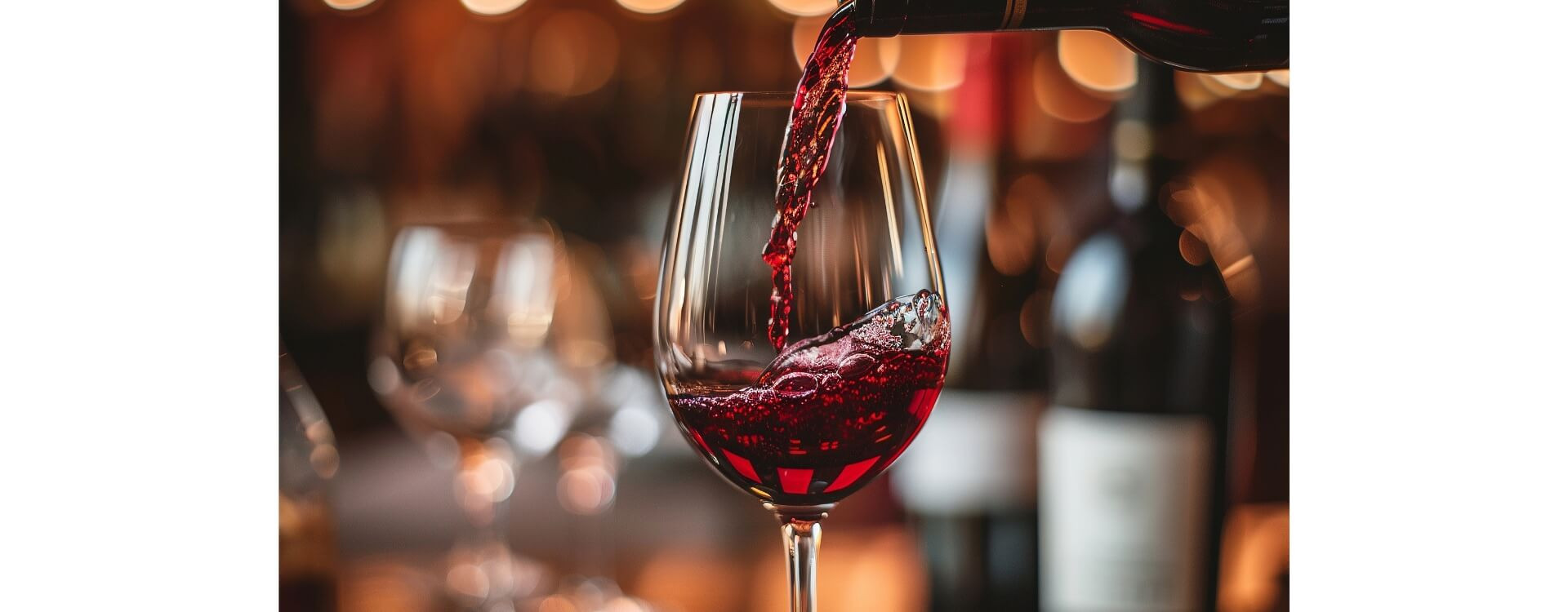
With a Saint-Émilion, serve beef Wellington, stuffed guinea fowl, scallops in garlic butter or a blackcurrant dessert. Those four dishes come from the appellation itself. Merlot decides here, and its roundness opens the table far wider than you would think.
Saint-Émilion is born east of Libourne, in the Gironde, across nine communes that two appellations share. Their specifications delimit the same area, word for word, and recognise a single colour: red.
The text sets no minimum proportion of merlot. It lists it among five main varieties, with the two cabernets, carmenère and cot, also called malbec. Then it describes it as "very largely dominant".
That dominant merlot changes everything at the table. The specification credits it with "suppleness, roundness and silky tannins on the palate". The Bordeaux trade body calls it moderately acidic, velvety in texture.
Cabernet sauvignon, for its part, prefers the warm gravels of the left bank. That is the gap: a Saint-Émilion follows a sauce or a stuffing where the other bank stays stiff.
What red meats go with a Saint-Émilion, and in what form?
The ones with a sauce, a stuffing or a crust, rather than the ones that bleed. Of the council's eighty-seven pairing recipes, beef holds only seven.
Beef Wellington, fillet in pastry and fine stuffings
Beef Wellington is the best dressed: a fillet coated in chopped mushrooms and raw foie gras, sealed inside puff pastry. The fat of the stuffing meets silky tannins, not tannins that scratch.
Lamb, game and long-reduced sauces
Here, open a bottle with years behind it. The Grand Cru specification calls its wines "aromatic, concentrated, rich": a civet or a saddle of venison does not frighten them.
Will a Saint-Émilion work on poultry or veal?
Yes, and the appellation says so first. Twenty-five of its recipes carry poultry, feathered game or veal, all pointed at the same advice: choose a Saint-Émilion.
Stuffed guinea fowl, chicken papillote and duck breast
Roast poultry has juices and skin, two things merlot likes. The council sets guinea fowl stuffed with apple against its bottles, a Landes poularde, a chicken papillote with rosemary and six duck breasts.
Veal roast and white meats in sauce
Veal Orloff, stuffed and browned under the grill, completes the list. The stuffing makes the pairing: on plain veal, the tannins have nothing to hold on to.
Can you serve a Saint-Émilion with shellfish?
Yes, and bluntly: seventeen of the appellation's recipes carry a fish or a shellfish. No pairing guide goes near it.
Scallops in garlic butter
The wine council pan-fries its scallops in garlic butter, then sends them to a Saint-Émilion. Butter and garlic give the wine something to answer, which a bare scallop would not.
Sea bass fillets napped with Saint-Émilion
One recipe goes further: oven-baked sea bass fillets, napped with forty centilitres of young Saint-Émilion reduced and finished with butter. Red wine still stays hard work on a bare steamed fish.
Our Saint-Émilion selection: right-bank reds shipped from the grower's own cellar, at estate prices. See the selection →
What do you serve at the end of a meal with a Saint-Émilion?
Pressed cheeses first, a dark-fruit dessert after. Of the council's eighty-seven recipes, twenty-two are desserts: one in four.
The cheeses that stand up to the tannins
Go for pressed and hard cheeses: saint-nectaire, ossau-iraty, a long-aged comté. Their salt and fat soften the tannins, where a fresh, acidic cheese wakes them up.
Blackcurrant, cooked dark fruit and dark chocolate
The dessert must reach for the fruit in the wine, not its sugar: the specification describes a complexity "evoking red and black fruit". Six of those desserts are chocolate, another a pear poached in red wine.
What Bordeaux dishes go with a Saint-Émilion?
Ribeye grilled over vine shoots, with the shallot and marrow sauce that carries the name of Bordeaux. The wine moves from the pan to the glass.
Ribeye over vine shoots and the shallot sauce
Vine shoots are the wood cut off the vine, and the specification makes pruning compulsory: the fuel for the grill comes off the plot. The sauce, for its part, reduces red wine with grey shallot, then takes poached marrow.
What the Grand Cru changes, and what its neighbour says
Saint-Émilion Grand Cru is born on the same area, but ages ten months longer. Keep it for the dish in pastry. Pomerol, a neighbour the Saint-Émilion specification lists in its immediate vicinity area, plays the same card.
What are the best food pairings with a Saint-Émilion?
Look at the sauce before the meat. The council of the appellation sets 18 °C at the table, and will not see the bottle go past 20 °C.
What merlot's roundness makes possible: scallops in garlic butter, sea bass napped with Saint-Émilion, chicken papillote with rosemary, guinea fowl stuffed with apple, veal Orloff, duck breast.
What stays obvious: beef Wellington, fillet in pastry, beef burritos, roast lamb, game and reduced sauces. That is where the Grand Cru earns its place.
What goes at the end of the meal: saint-nectaire, ossau-iraty, aged comté, then a dessert of blackcurrant, blackberry or dark chocolate.
What merlot will not rescue: a raw, acidic product served without butter or sauce. Roundness in the glass does not replace roundness on the plate.
One detail nobody looks at: both appellations demand the same sugar content for merlot, 194 grams per litre of must, the grape juice before it ferments. The other varieties climb a step.
Bonus: our ribeye over vine shoots, shallot sauce
A thick cut, embers of vine wood, a reduction built alongside. Order the marrow from the butcher the day before: it is what makes the sauce unctuous.
Ingredients (serves 4)
- 1 thick ribeye of about 1.2 kg, or 2 pieces of 600 g
- 4 marrow bones cut 5 cm long
- 6 grey shallots
- 40 cl red Bordeaux
- 20 cl veal stock
- 60 g very cold butter
- 2 sprigs of thyme, 1 bay leaf
- 1 handful of dry vine shoots, or charcoal
- Fine salt, cracked black pepper
Method
Soak the bones the day before, in cold salted water, in the fridge. Take the meat out an hour before you cook it.
Chop the shallots, sweat them in butter without colouring them. Pour in the wine with thyme and bay, reduce by two thirds. Add the veal stock, reduce by half, strain.
Push the marrow out of the bones, poach it three minutes in simmering water, slice it into rounds. Light the vine shoots, wait until they stop flaming, the embers cook, not the fire.
Grill the ribeye four to five minutes a side, salt it off the grill, rest it ten minutes under foil. Off the heat, finish the sauce with the cold butter, lay the marrow on top and serve.
Why buy direct from the winemaker? In Saint-Émilion Grand Cru, the specification requires bottling at the place where the grapes were picked and the wine was made. The bottle leaves the estate, at estate prices, and nothing slips in between the cellar and your table.
Saint-Émilion is not a red-meat wine, it is a sauce wine. Merlot gives it a roundness the other bank does not have, and it opens up poultry, veal, the scallop, the dark-fruit dessert.
Before choosing the dish, look at what goes on top rather than at the product. A stuffing, a butter, a reduction: the wine follows. Nothing around it: keep the bottle for tomorrow.
Our Saint-Émilion selection: from Sunday lunch to the festive table, right-bank reds sent out by their own grower, at the property's own price. See the selection →
Frequently asked questions about Saint-Émilion pairings
What differs at the table between Saint-Émilion and Saint-Émilion Grand Cru?
Ten more months of ageing, seven hectolitres per hectare less: the Grand Cru drops to 46 against 53, and stays in the cellar until 1 February of the second year. On a dish in pastry or a civet, the gap shows.
Can you drink Saint-Émilion with fish?
Yes, provided it is enriched: seventeen of the council's recipes go to the sea, sea bass napped with the wine among them. On a bare steamed fish, no: it needs a sauce or some fat.
How far ahead should you open a Saint-Émilion?
The wine council advises two to three hours for a young, powerful vintage of seven or eight years. For an older wine, count one hour of air, then the decanter just before serving.
Why does a Saint-Émilion go with dishes the left bank turns down?
Because the blend changes from one bank to the other. Merlot leads here, with the suppleness and silky tannins the specification lends it. Opposite, on the gravels, a late and far more tannic variety rules.
Why buy your Saint-Émilion direct from the winemaker?
Because he knows where his vintage stands, and will tell you whether to open it two hours ahead or three. In Grand Cru he bottled it himself, and his price is the property's own.
Our nuggets


Château Queyron Lartigue 2023
Les Vignobles de Maxime - Tourteau Chollet, Grand Lartigue, Ferrand Lartigue
Bordeaux
€20.00