Delivery from €16,90 per winemaker in Europe (excluding the United Kingdom)

Portraits of winemakers
Château Caillivet: biodiversity, hospitality and authenticity
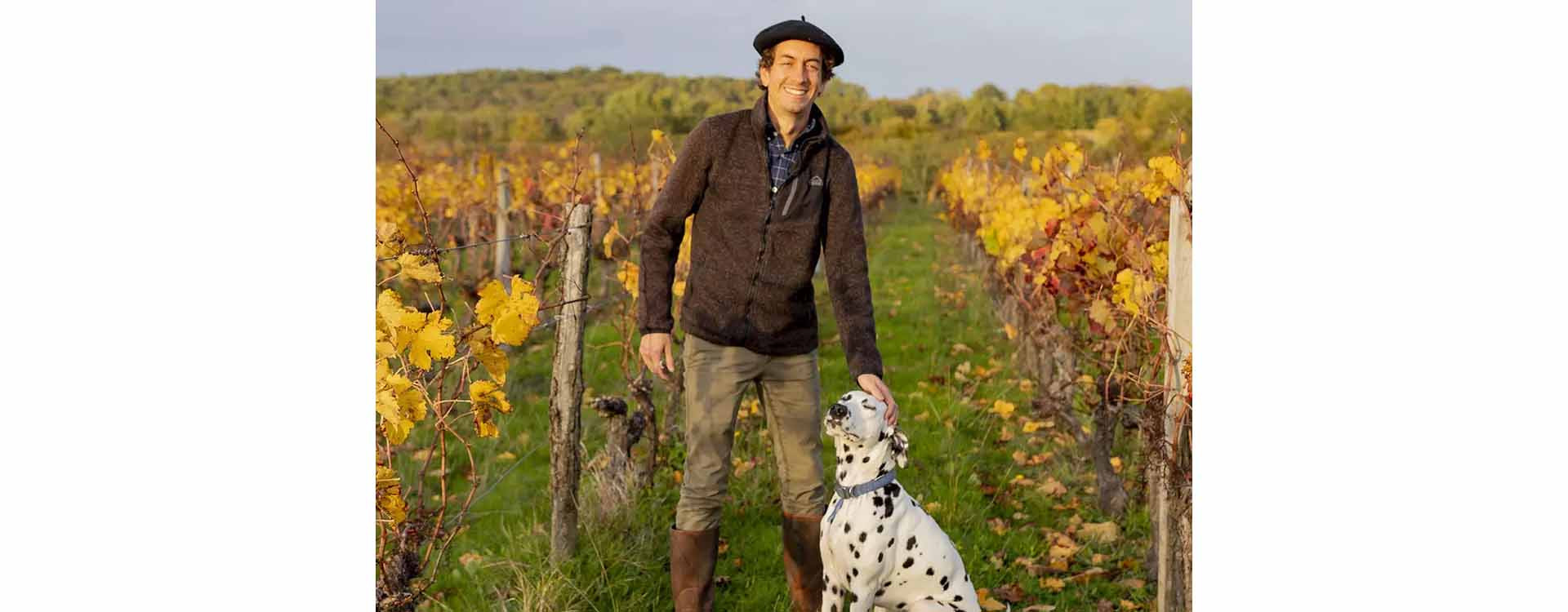
What captivated Guilain Latournerie about the world of wine is the continuity that links every action in viticulture. Cultivating, harvesting, transforming, marketing, and sharing, each activity and environmental action is vital to the next stage and is reflected in the final product. Guilain is a winemaker who is passionate about his craft, paying meticulous attention to every detail to produce quality wines while preserving his environment.
Available directly from the estate on Avenue des Vins.
Where is the estate and what is its terroir like?
A rich terroir with stunning views
The estate is located in the Graves AOC within the Bordeaux vineyard. Perched on the high slopes at the top of a hill, the vineyard offers a panoramic view of the Garonne Valley. Although small in size, this 10-hectare estate is grand in the variety of its terroir.
The terroir consists of three types, allowing for the production of various wine styles:
- Gourmet Red Wines and Balanced White Wines: From sandy-gravelly parcels.
- Broad and Structured Red Wines: From clay-gravelly parcels.
- Complex Red Wines with Floral and Spicy Notes, and Quality White Wines: From clay-limestone gravel parcels.
A nature enthusiast, Guilain allows the vines to thrive within a diverse ecosystem rich in variety. Meadows, woods, and ponds contribute to this biodiversity through livestock farming, beekeeping, and forest management.
What are his plans for the estate's future?
An ambitious, nature-focused project
Guilain took over the property in August 2020 and already has ambitious plans to align his estate with his vision of wine. Among his projects:
- Conversion to Organic Farming: Immediate plans to start organic farming and introduce complementary activities such as eco-pasture, beekeeping, and ecotourism. As a professional farmer, he aims to implement a comprehensive agro-ecological project.
- Sharing the Estate’s Beauty and Philosophy: Expanding the estate’s hospitality to include oenotourism, green stays in their gîte, and hosting festive or professional events.
- Developing Authentic Quality Wines: Creating wines that reflect Guilain’s vision.
Discover this promising winemaker and follow his progress. If you have the opportunity to visit the vineyard, make sure to stop by Mazères.
Why buy directly from the winemaker? The wines of Château Caillivet are shipped straight from the estate: estate price with no middleman, full vintage traceability, and your support for an independent winegrowing family.
Discover the wines of Château Caillivet directly from the estate, at the estate price, in a short supply chain on Avenue des Vins.
Frequently asked questions about Château Caillivet
Where is Château Caillivet located?
The estate sits on the heights above Mazères, in the Graves appellation on Bordeaux's left bank. From its slopes, the view reaches down to the Garonne.
What wines does the estate make?
Its ten hectares span three soil types. Sandy gravel yields supple, fruit-forward reds and gentle whites, clay-gravel soils give firmer reds, and clay-limestone gravel produces layered wines with spicy, floral notes.
Who runs the domain?
Guilain Latournerie took charge of the property in the summer of 2020. Trained as a farmer, he sees the vineyard as one link in a living whole, from the soil to the shared glass.
Is the estate farmed organically?
Yes. Soon after arriving, Guilain Latournerie began the switch to organic farming, alongside beekeeping, eco-grazing and careful woodland management that feed the estate's biodiversity.
Can visitors stay at the estate?
Hospitality is central to the project. Plans include stays in the on-site gîte, wine tourism visits and events, so the place lives beyond the vines alone.