Delivery from €16,90 per winemaker in Europe (excluding the United Kingdom)

Portraits of winemakers
Domaine Sambin: Beaujolais wines worthy of the great Burgundy crus
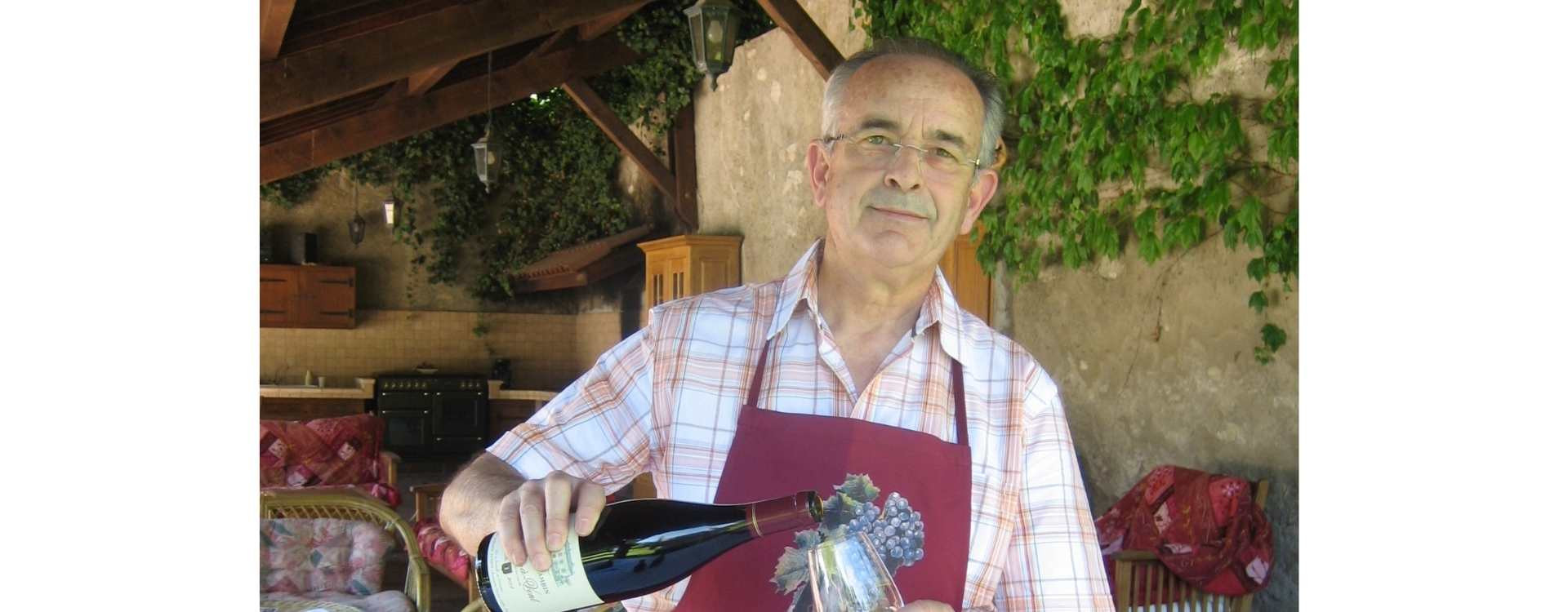
The vineyards of Beaujolais and Burgundy can sometimes be difficult to distinguish. Geographically close, these two wine regions were once a single entity. Gérard Sambin knows them well. Owner of Domaine Sambin since 1987, he represents the 12th generation of winemakers in his family’s Beaujolais estate. His wines are 100% Beaujolais crus, yet they carry an imprint reminiscent of Burgundy...
What makes the estate's wines stand out?
Vineyards over 50 years old
What sets Domaine Sambin apart? Wines aged in barrels, made from gamay grapes that "pinotize," according to Gérard's own terms.
Bernard Pivot once said that gamay wines could sometimes be mistaken for Côte de Nuits wines. This is true for some of our wines,
notes the winemaker.
Spanning 8 hectares of vineyards in the Moulin-à-Vent and Fleurie appellations, Domaine Sambin's vineyard benefits from a typical red wine terroir that is less suitable for producing rosés or whites. The vines, over 50 years old, grow on predominantly granitic soils.
These are the precise factors that allow us to age our wines,
Gérard explains.
How does Gérard share his wines with visitors?
A unique tasting experience
Fans of this unique characteristic of Domaine Sambin's wines often come back for more. Gérard has been showcasing this specialty for decades through tastings held at the estate.
I bring out my charcuterie boards and some cheeses, and I explain to my clients, both new and old, how to taste my wines and pair them with the right dishes. It’s important to understand that my wines are quite different from the classic Beaujolais, which are smooth and meant to be enjoyed young,
Gérard emphasizes. These oenotouristic activities focused on tastings represent the very essence of Domaine Sambin. After all, its name is derived from the Latin "semper bibere," meaning "always drink"...
Frequently asked questions about Domaine Sambin
Where is Domaine Sambin located?
The estate sits on a family property in Beaujolais that Gérard Sambin has run since 1987. Its vines cover 8 hectares split between the Moulin-à-Vent and Fleurie crus.
Why do Domaine Sambin wines resemble Burgundy?
Gérard Sambin works a barrel-aged gamay that, in his own words, pinotizes over time. That style brings some cuvées close to the reds of the Côte de Nuits, in Burgundy.
Which appellations does Domaine Sambin produce?
Production centres on two red Beaujolais crus, Moulin-à-Vent and Fleurie. The terroir is ill-suited to white or rosé, so the whole vineyard goes to red wine.
Are Domaine Sambin wines meant for ageing?
Yes. Vines over fifty years old and largely granitic soils yield reds built to last, unlike the supple Beaujolais usually enjoyed young.
Where does the name Domaine Sambin come from?
It draws on the Latin semper bibere, meaning always drink. The motto captures the spirit of the tastings the winemaker hosts at the estate, around charcuterie and cheese.