Delivery from €16,90 per winemaker in Europe (excluding the United Kingdom)

Our current favorites
Harvest documentary: 5 questions to director Paul Lacoste
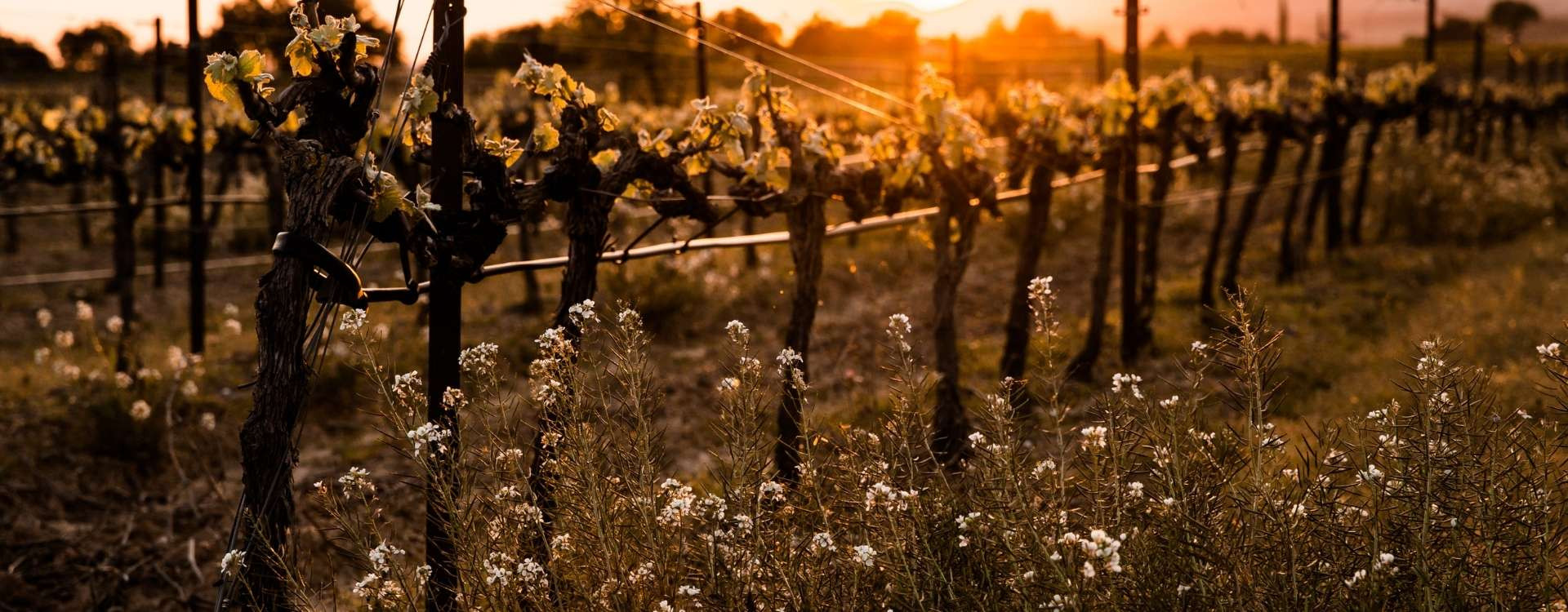
Documentary "Vendanges" Hits the Big Screen: An Interview with Director Paul Lacoste
1) With a title like "Vendanges," one might expect a film centered around grape harvesting. However, the documentary touches very little on wine and seems to use it merely as a backdrop to address a more pressing issue: precariousness. Why did you choose vineyards as the setting?
Paul Lacoste: "Ten years ago, I made a documentary called Un an dans les vignes (A Year in the Vines). During filming, I had the chance to meet a team of seasonal grape harvesters. I found that the context of the harvest was ideal for discussing the theme of precariousness, even though it's present in many other professional fields. The setting and landscape also played a crucial role in my decision: the natural beauty of the vineyards makes human fragility even more apparent."
2) The documentary was filmed entirely at Domaine Plageoles in Gaillac. Why this choice? How did you approach the seasonal workers once you were on site?
P.L.: "I chose Gaillac because I have some friends in the area. I did a friendly little casting with the local winemakers. I needed 'filmable' vineyards that would be easy to shoot around. The winemaker also had to be willing to let me film his estate, even though the film wasn’t specifically about his domain. Finally, I wanted a winemaker who was both demanding and humane with the seasonal workers.
As for the harvesters, I met them the morning of our departure in the truck heading to the vineyard. It was a complete surprise for them. Of course, they knew they would be filmed, but they weren’t entirely sure how they would be portrayed. I, too, didn’t know exactly how I would handle the subject or what I would get from them. It took some time, but we gradually got to know each other, and they realized that my documentary was fundamentally a humanistic project and that I wouldn’t betray them by distorting their words."
3) In your documentary, the main motivation for the harvesters to return each year seems to be the pay. Are there other reasons?
P.L.: "Indeed, financial gain is the primary motivation for most of these individuals. However, motivations vary depending on the person and can include desires to step away from society, escape loneliness, reconnect with nature, or even a passion for wine. In fact, two of the characters in the film now produce their own wine!"
4) What message do you hope to convey through your documentary?
P.L.: "I’m actually more focused on answering a question: Can precariousness foster solidarity? That’s another dimension of my film, and it’s why the harvest is such a fitting backdrop, even though the sense of community doesn’t last forever. The reality is what it is, and that makes the situation all the more poignant. Even though there’s a poetic aspect to the harvest, it doesn’t offer an escape from loneliness indefinitely!"
5) Are you familiar with the wine world? Have you ever had the chance to experience grape harvesting as a seasonal worker?
P.L.: "Absolutely. I’m quite familiar with the wine world, having made several films on the subject as well as on gastronomy. I have friends who are winemakers, and I love wine because I find it an extraordinary expression of nature. However, I’ve never had the chance to work as a seasonal harvester. But I do make wine on the 4-square-meter terrace of my Toulouse apartment! I have a small vine that produces about thirty bunches of grapes. When they’re ripe, my youngest son crushes them with his feet, and we end up with about ten bottles. It remains very modest, I must admit!"
Our Favourites Wines Selection : Our wines of the moment, picked straight from independent winemakers at estate-direct prices. See the selection →
FAQ - Vendanges documentary
Who directed the documentary Vendanges?
The documentary Vendanges was made by Paul Lacoste. Ten years earlier, he had already directed a first film on the subject called Un an dans les vignes (A Year in the Vines).
Where was the documentary Vendanges filmed?
The film was shot entirely at Domaine Plageoles, in Gaillac. Paul Lacoste chose the area because he had friends there and was looking for vineyards that were easy to film around.
What is the real subject of the documentary Vendanges?
Despite its title, the film says little about wine itself. It focuses on the precariousness of seasonal grape harvesters and asks whether hardship can create solidarity.
Why did Paul Lacoste choose the harvest as a setting?
The director found the harvest an ideal setting to explore precariousness, which exists in many other trades too. In his view, the beauty of the vineyards makes human fragility even more visible.
When was the documentary Vendanges released in cinemas?
The film opened on the big screen on a Wednesday, 21 September. It was presented alongside this interview with its director, Paul Lacoste.


