Delivery from €16,90 per winemaker in Europe (excluding the United Kingdom)

Unbeatable !
How is biodynamic wine produced?
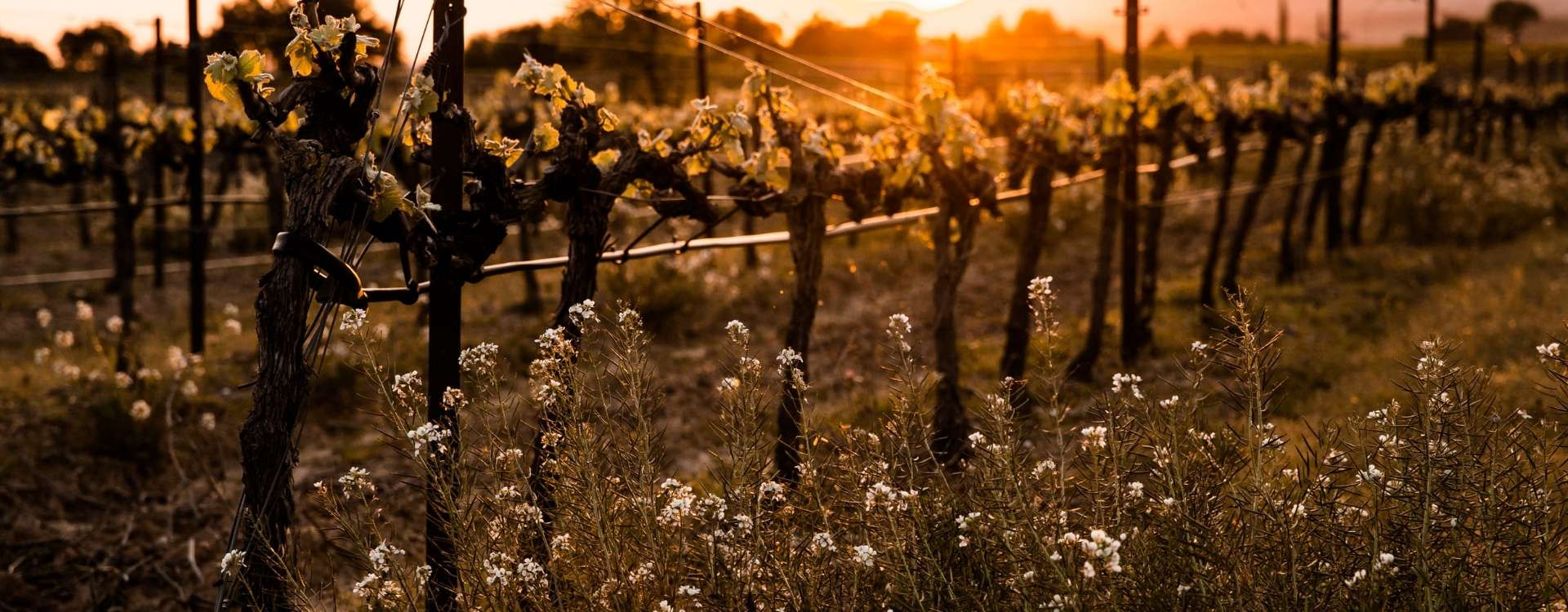
Organic, Biodynamic, and Natural Wines: Embracing Eco-Friendly Viticulture
The Rise of Eco-Friendly Wines
Organic, biodynamic, and natural wines are undeniably gaining popularity. This trend reflects a growing interest among winemakers and consumers in respecting the environment. While consumers have only recently become aware of the benefits of environmentally friendly agriculture, farmers have long recognized its virtues. The richness of a terroir owes much to the microbial life in the soil, and the quality of a vintage is entirely dependent on nature's rhythms. Unlike conventional agriculture, which relies on chemical pesticides for viticulture and winemaking, biodynamic winemakers synchronize their work with nature's clock. Often confused with organic farming and not widely understood, biodynamics is primarily a philosophy. What are its principles, and how are they applied to viticulture?
What is Biodynamic Agriculture?
The origins of biodynamic agriculture date back to the work of Rudolf Steiner in the 1920s. Farmers, concerned about the declining quality of their soils and consequently their crops, sought the guidance of the renowned Austrian scientist. His philosophical principle is simple: the earth is a whole, and it is part of a greater whole. Based on this principle, the three fundamental rules of biodynamics are:
- The farm is an autonomous and individualized ecosystem.
- Natural preparations made from plants, cow manure, and quartz are used to energetically nourish the land.
- Cosmic rhythms guide daily activities.
This approach fundamentally differs from conventional and even organic agriculture. In biodynamics, the farmer does not practice monoculture. Instead, they seek to understand the synergies between plants, animals, climate, cosmic rhythms, and more to create a fertile and virtuous circle. In organic viticulture, the winemaker works similarly to conventional agriculture but with organic products approved by the label. Therefore, the philosophy and daily operations of a biodynamic farm are radically different. The most iconic example is horn manure, the famous cow horn filled with cow dung. This is planted once a year to regulate soil pH and enhance its CO2 fixation capacity. Numerous examples illustrate the pursuit of natural interactions among plant, animal, and human life to improve soil fertility.
How is Biodynamics Applied to Wine?
In viticulture, biodynamic practitioners care for their vines according to these principles. The vineyard is viewed as a whole, and vine and winemaking activities adhere to the biodynamic calendar. The phases of the moon and the astral calendar, which designate ideal days for certain actions or the development of specific aromas, dictate daily viticulture and winemaking practices. Biodynamics is applied to wine through various operations:
- Soil enrichment is achieved using horn manure, natural grassing, or other natural methods.
- Phytosanitary treatments involve plant-based preparations (nettles, sage, etc.) and minerals (silica).
- Some vineyards plant trees to cool parcels, allow livestock to graze for grass trimming, and more.
- Harvesting and winemaking steps align with the biodynamic calendar.
Initially, these principles may have seemed odd, but they are increasingly convincing winemakers, including some notable ones. Aubert de Villaine, owner of Domaine de la Romanée-Conti, has been practicing full biodynamics since 2007 without publicizing it. Why? Because for him, it is not a commercial endeavor; it is simply the best way to make wine.
Is Biodynamic Wine Better?
Is it true? Is biodynamic wine better? Proponents will undoubtedly say yes, while skeptics will disagree. In wine, everything is a matter of taste and subjectivity. Biodynamics is foremost a technique and a philosophy. Choosing biodynamic wine is about supporting winemakers in harmony with the environment. Many claim to have seen quality improvements after transitioning to these viticulture methods. Richer soil theoretically produces better grapes. Moreover, a biodynamic winemaker seems naturally more attuned to their vines and the life on their parcels. However, it is only one method, and many factors contribute to producing quality wine: climate, weather, the winemaker's work, winemaking processes, and production variables. Biodynamic wine is subject to the same conditions as any other type of wine: favorable circumstances and the passionate work of the winemaker. The best way to form an opinion is to taste it for yourself!
Our Biodynamic Wines Selection : Our biodynamic wines, sourced straight from the growers at estate-direct prices. See the selection →
FAQ - Biodynamic wine
What is the difference between organic and biodynamic wine?
In organic viticulture, the winemaker works much like in conventional farming but with products approved by the organic label. Biodynamics goes further: it treats the estate as a self-contained ecosystem, uses natural preparations and follows cosmic rhythms. It is as much a philosophy as a technique.
What is horn manure in biodynamics?
Horn manure is a cow horn filled with dung, buried in the plot once a year. It helps regulate the soil's pH and boosts its capacity to fix CO2. It is the most iconic preparation in biodynamic farming.
How does the lunar calendar influence biodynamics?
Waxing moons, waning moons and the astral calendar mark favourable days for specific tasks in the vineyard and the cellar. The winemaker times the vine work, and even the winemaking, to these rhythms to encourage the development of certain aromas.
Which preparations are used in biodynamic viticulture?
Treatments rely on plant-based preparations, such as nettle or sage, and on minerals like silica. Soil enrichment uses horn manure, natural grassing or other natural methods, without chemical pesticides.
Which famous estates practise biodynamics?
Several great names have embraced it. Aubert de Villaine, owner of Domaine de la Romanée-Conti, has farmed fully biodynamically since 2007, not as a commercial argument but because he sees it as the best way to make wine. The practice is winning over more and more growers.


