Delivery from €16,90 per winemaker in Europe (excluding the United Kingdom)

Unbeatable !
Beaujolais Nouveaux: put an end to preconceived ideas!
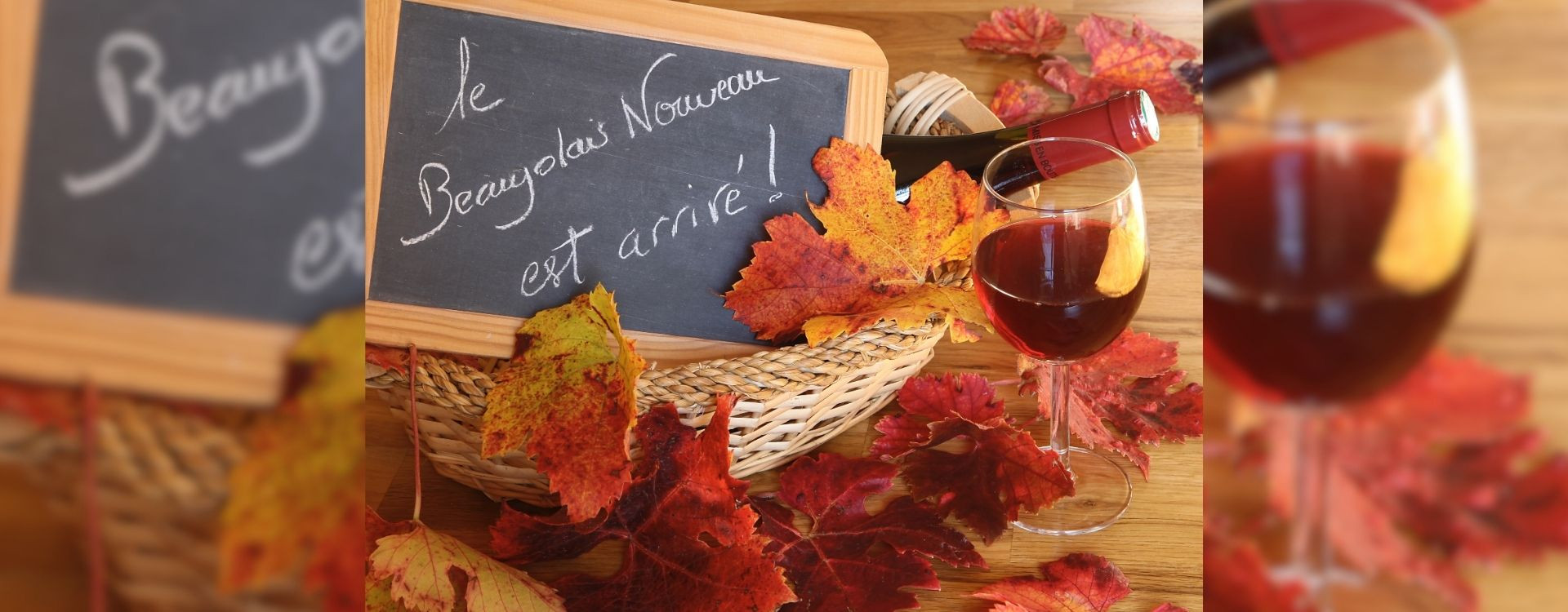
Understanding Beaujolais Nouveau: Common Misconceptions
With soirées in bars, supermarket promotions, and e-commerce deals, you can't miss Beaujolais Nouveau! But are you sure you know these often underestimated wines well? Here’s a brief overview of Beaujolais Nouveau and some common misconceptions.
Three Misconceptions About Beaujolais Nouveau
1) Are They All the Same From Year to Year?
One of the most common misconceptions about Beaujolais Nouveau is that vintages are identical year after year. Fabien Chasselay, a winemaker at Domaine JG Chasselay in Beaujolais, strongly disagrees: “Beaujolais Nouveau is not like pizza where you just add ingredients. It has the taste of the wine, the vintage, the terroir, and the winemaker’s expertise.” Made from natural grapes, Beaujolais Nouveau reflects unique winemaking techniques specific to each terroir. Its fruitiness varies, just like other wines from the region, depending on the quality of the grapes each year. According to Chasselay, it is even the most challenging wine to make: “It is exactly as the vintage has given it to us. It doesn’t undergo aging to soften its tannins or rusticity, which can be found in some long-aging wines.”
2) Do Beaujolais Nouveaux All Have Banana Aromas?
For years, Beaujolais Nouveau wines were known for their banana aromas. This characteristic has become almost synonymous with Beaujolais Nouveau today. It was due to yeast strains added by winemakers to enhance the Gamay flavor. Arnaud Briday, a winemaker at Domaine des Chers in Beaujolais, believes this practice harmed the reputation of these wines: “Beaujolais Nouveau was a great way to promote the region 30 years ago. The problem is, it quickly turned into a marketing event, and everyone started making the same wines, leading to a loss in quality,” he notes.
Chasselay counters this view: “We need to stop talking about the past. We’re not the same winemakers anymore; generations have changed, evolved, and improved. It’s easy to criticize Beaujolais Nouveau.” Many Beaujolais winemakers have indeed moved away from this method to restore diversity. This is why they now prefer to refer to "Beaujolais Nouveaux" rather than "Beaujolais Nouveau."
3) Is Beaujolais Only About Beaujolais Nouveau?
Sometimes, consumers confuse Beaujolais Nouveau with the Beaujolais wine region itself. This persistent belief largely explains the region's reputation issues over the years. However, it would be a shame to miss out on its many appellations: Beaujolais Villages, Brouilly, Chénas, Juliénas, Morgon, Moulin-à-Vent, Saint-Amour, to name a few. The Interprofession des Vignerons du Beaujolais even considers expanding the celebration of Beaujolais Nouveau to include all wines from the region. “The hype around Beaujolais Nouveau has calmed down compared to the 1980s frenzy. It’s not necessarily a bad thing. Now it’s more serious. We, as winemakers, want to reclaim Beaujolais Nouveau, which is sold 80% in bulk. We hope this celebration gradually becomes one for all Beaujolais wines,” explained David Ratignier to Agence France-Presse. Ratignier is a winemaker in Saint-Étienne-la-Varenne (Rhône) and vice-president of Inter-Beaujolais.
Our Beaujolais Selection : Taste the real diversity of Beaujolais straight from the winemakers, at estate prices. See the selection →
FAQ - Beaujolais nouveau
When is Beaujolais Nouveau released each year?
Beaujolais Nouveau goes on sale on the third Thursday of November, around mid-November. This date traditionally marks the arrival of the first wine of the vintage, celebrated both in bars and at the winemakers' estates.
Why is it called Beaujolais Nouveaux in the plural?
Beaujolais winemakers now favour the plural to highlight the diversity of their cuvées. Each estate makes its own Beaujolais Nouveau according to its terroir and expertise, far from the image of a uniform wine.
Where does the banana aroma of Beaujolais Nouveau come from?
The banana aroma comes from yeast strains that some winemakers once added to enhance the Gamay flavour. Many have dropped this practice to recover the natural expression of the grape and the terroir.
Which grape variety is Beaujolais Nouveau made from?
Beaujolais Nouveau is made from Gamay, the region's emblematic red grape. Vinified without ageing, it delivers a fruity wine that directly reflects the quality of the vintage.
Does Beaujolais produce wines other than Beaujolais Nouveau?
Yes, the region has many appellations such as Beaujolais Villages, Brouilly, Chénas, Juliénas, Morgon, Moulin-à-Vent and Saint-Amour. Reducing the vineyard to Beaujolais Nouveau alone would mean missing its true richness.