Delivery from €16,90 per winemaker in Europe (excluding the United Kingdom)

Unbeatable !
How to choose an organic wine?
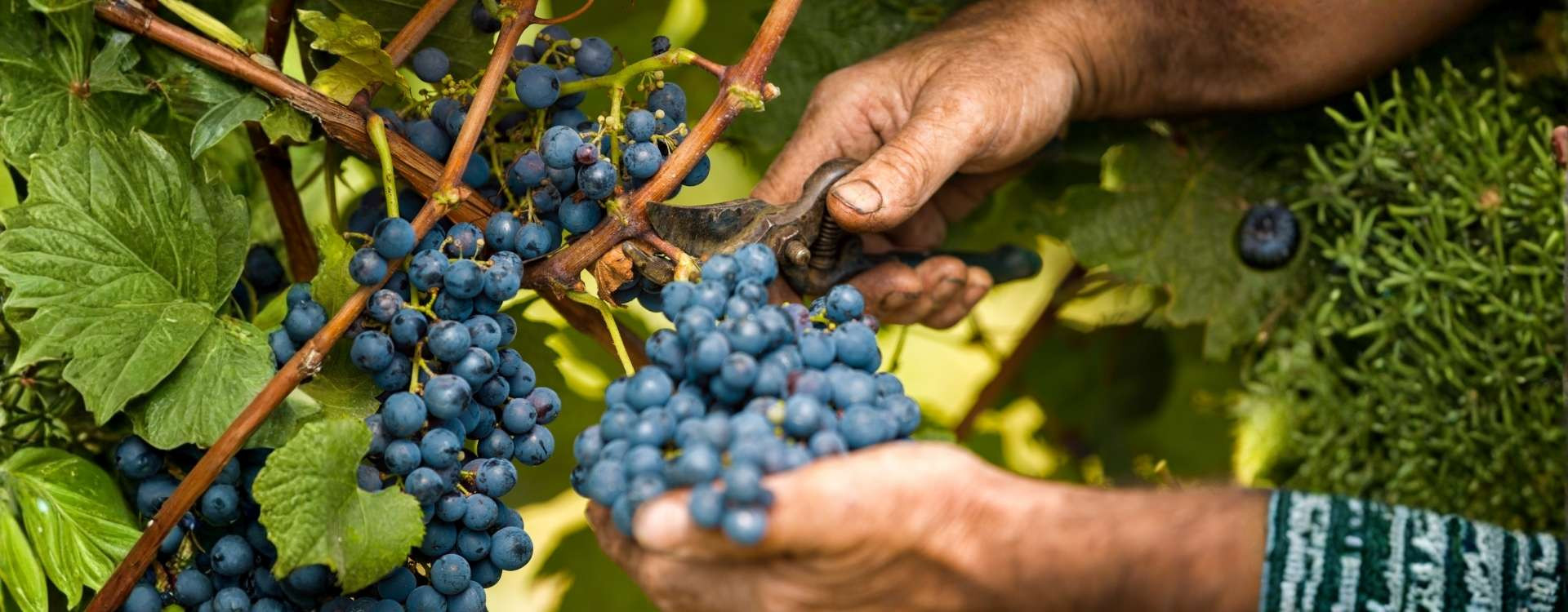
Organic Wines Are Becoming More Prominent in the French Market
How to Choose an Organic Wine?
Organic wines are increasingly present in the French market. In 2019, 14% of vineyards were cultivated organically (source: Agence Bio), and each year new estates begin their conversion. This trend is no longer just a trend but is becoming a genuine movement. The enthusiasm for organic products reflects a real ecological awareness among both producers and consumers. This shift towards natural methods is also evident in other oenological trends: biodynamic wines and natural wines are another manifestation. So, with all these new options and the growing selection of organic wines, how do you choose a good organic wine?
What Is an Organic Wine?
An organic wine is, above all, a certified wine. To obtain the organic label, a producer must:
- Care for their vines only with organic phytosanitary products;
- Use only certified organic products permitted by the label during the winemaking process.
The organic approach is a real commitment that requires continuous transition and careful attention from vine to glass. The winemaker's habits must change, their reflexes adjust, their soil renew, and their grapes adapt.
This is why, to ensure a real and lasting commitment to organic farming, the organic label is only granted after three years of organic cultivation. This period is often mentioned by winemakers who state they are in "organic transition."
A certified organic wine involves grapes cultivated according to organic farming practices for at least three years and a rigorous process from soil to vinification.
A biodynamic wine follows entirely different rules. While they are similar in using only natural products, biodynamics is a true philosophy. Biodynamic farming is done according to planetary cycles, for example. Natural wines can come from organic or biodynamic farming or even conventional farming (rarer). The significant difference is that they are made with minimal human intervention.
Why Buy Organic Wine?
The rapid increase in both producers and consumers of organic wine is due to its substantial impact:
- On the health of the consumer and the farmer: The products used in the vineyard and the cellar come into contact with the winemaker who inhales them. Chemical products used in conventional viticulture can cause health issues. Choosing to buy organic wine is a way to support, with your wallet, making it profitable not to use chemical products. It also means not ingesting the chemical additives often added during vinification by conventional winemakers, which end up in your glass.
- On the environment and biodiversity: Phytosanitary products, aerosols, and pesticides affect not only the vines but also the surrounding biodiversity, causing atmospheric pollution. Buying organic wine means choosing not to participate in this model of viticulture.
- On soil and groundwater: The soil and aquifers absorb the chemical products used, leading to long-term soil depletion. Non-organic agriculture contributes to this through the soil and water.
Choosing to drink wine from organic farming is opting for natural products. The goal is to protect the health of those working the vines as well as the environment that nourishes them. However, it's important not to swing to extremes. Like any label, organic can become a business. To consume responsibly, prioritize organic but also local and direct from the producer whenever possible. Short distribution channels are also very beneficial for the wine industry.
How to Choose an Organic Wine?
Choosing an organic wine is, first and foremost, about choosing a philosophy. Our stance is to highlight this approach. From an oenological perspective, selecting an organic wine involves the same considerations as choosing a conventional wine. The same questions arise:
- What are your preferences?
- What is the occasion for the tasting? Are there dishes to pair?
- What is your budget?
- What are the online reviews of the wines you are considering? What are the expert opinions (Parker Guide, Bettane & Desseauve, etc.)?
An organic wine is still a wine! However, an organic wine often embodies a philosophy, a way of living with the vine, and a particular desire for expression in the wines. And that changes everything. To choose an organic wine, the most important thing is to get to know the estate, its values, and its vision of wine. At Avenue des Vins, we give a voice to the producer for this reason. It is possible to find organic wine online and be just a click away from the producer's story. Prioritize organic wines by highlighting the winemaker and their story.
Our Organic Wines under €10 : Straight from independent winemakers at estate prices. See the selection →
FAQ - Choosing an organic wine
What does organic wine certification require?
An organic wine is made from grapes grown without synthetic chemical products. The organic label is only granted after three years of organic cultivation, a period during which the winemaker is said to be in organic transition.
What is the difference between organic, biodynamic and natural wine?
Organic wine relies on grapes grown without synthetic chemicals. Biodynamics adds a philosophy tied to planetary cycles. Natural wine is made with minimal human intervention and additives.
Is organic wine always more expensive?
Not necessarily. Organic farming demands more care in the vineyard, but buying directly from the winemaker, at estate prices, lets you find good organic wines under 10 euros with no middleman margin.
How do you choose a good organic wine?
An organic wine is chosen like any other: according to your preferences, the occasion, food pairing and budget. The estate's approach and values then make the difference.
Why buy your organic wine directly from the winemaker?
Buying straight from the estate honours the winemaker's work and ensures better traceability. It is also the way to drink organic and local, through short supply channels, as close as possible to the person who makes the wine.