Delivery from €16,90 per winemaker in Europe (excluding the United Kingdom)

Portraits of winemakers
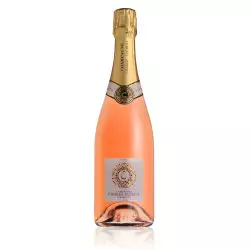
Champagne Charles Clément

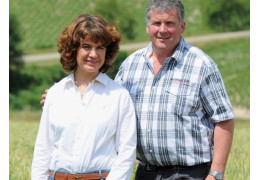
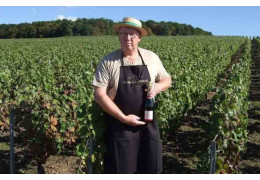
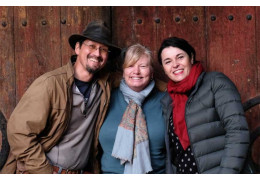
Champagne Charles Clément is above all the expression of a collective project born from the desire of several winemakers from the Côte des Bar to pool their resources in order to enhance the value of their grapes and strengthen the quality of their wines. Created in 1956 by 22 winegrowers under the name Coopérative Vinicole de Colombé-le-Sec, the structure gradually developed to bring together today around 60 members cultivating nearly 120 hectares of vines spread across several villages. This collective organization makes it possible to bring together different parcels and exposures characteristic of the Côte des Bar, offering blends that are representative of the Aube terroir.
Available directly from the estate on Avenue des Vins.
What is the story behind this cooperative?
A collective project born in 1956
The parcels of our members in the Côte des Bar, the vineyard work throughout the year, the collective harvest, and the pressing center,
sum up the first images that come to mind when one mentions the estate, highlighting the human and well-structured dimension of the project.
Since 1980, the cuvées have been marketed under the name Charles Clément, in tribute to one of the founding members. The cooperative model is based on a clear philosophy: solidarity between winemakers and shared quality standards, from the vineyard to bottling. Team spirit is considered a real strength, making it possible to share know-how and investments in an agricultural context that can sometimes be fragile. This collective approach forms the foundation of the estate, where Champagne tradition and the modernization of techniques often move forward hand in hand.
The winemakers take care of the land, which in turn will take care of them,
the estate’s motto, illustrating this long-term vision of the profession.
How is the cooperative organized around quality?
A collective organization focused on quality and the future
The cooperative relies on a structured organization to support its members throughout the production cycle. Collective harvests, the pressing center, and shared equipment help ensure consistent quality and better valorization of the grapes. The investment in two new 12,000 kg Coquard presses is, moreover, a landmark moment in the recent history of Champagne Charles Clément, a step that symbolizes the collective’s ability to mobilize in order to make technical progress and improve the quality of its Champagnes.
A structuring project, carried collectively, which marks an important stage in the cooperative’s development.
This evolution is one of the strongest memories for the cooperative’s winemakers.
Current ambitions are in line with this dynamic of continuous improvement. The goal is to strengthen the identity of the cuvées, provide technical support to winemakers, and develop marketing in order to better showcase the Champagnes of the Côte des Bar. The commitment to sustainable viticulture is reflected in particular attention paid to growing practices and the preservation of the terroir for future generations.
What place does Pinot Noir hold in the wines?
Champagne Charles Clément, the quintessence of Pinot Noir
The Champagne Charles Clément vineyard is made up predominantly of Pinot Noir, alongside Chardonnay and Pinot Meunier, making it possible to offer a wide range of Champagnes. From Blanc de Noirs to Blanc de Blancs, including rosé cuvées and traditional blends, the estate offers a fine diversity of styles. Pinot Noir nonetheless holds a central place in the house’s stylistic identity, fully expressing the fruity and structured character typical of the Côte des Bar.
A 100% Pinot Noir Blanc de Noirs marked by red-fruit aromas, structured and expressive
represents the type of wine that best reflects the spirit of the estate and the collective work of its members.
Each cuvée is the result of close collaboration between the winemakers and the technical team, with the aim of expressing freshness, fruit, and the typicity of the Côte des Bar terroir. This way of operating brings together varied experiences around a shared vision, where the diversity of parcels and the human dimension form the estate’s richness.
Why buy directly from the winemaker? The wines of Champagne Charles Clément are shipped straight from the estate: estate price with no middleman, full vintage traceability, and your support for an independent winegrowing family.
Discover the wines of Champagne Charles Clément directly from the estate, at the estate price, in a short supply chain on Avenue des Vins.
Frequently asked questions about Champagne Charles Clément
Where is the Champagne Charles Clément vineyard located?
The parcels lie in the Côte des Bar, in the Aube, spread across several villages near Colombé-le-Sec. This southern part of Champagne yields wines shaped by ripe fruit.
Which grape varieties go into Charles Clément champagnes?
Pinot Noir takes the largest share of the plantings, backed by Chardonnay and Pinot Meunier. That mix supports a broad range, from Blanc de Noirs to traditional blends.
How long has Charles Clément been making champagne?
The cooperative began in 1956 as the Coopérative Vinicole de Colombé-le-Sec, founded by 22 growers. Bottles have carried the Charles Clément name since 1980, honouring one of the founding members.
What styles of champagne does the estate offer?
The range runs from Blanc de Noirs to Blanc de Blancs, along with rosé cuvées and classic blends. Each style aims to show the freshness and fruit of the Aube terroir.
What defines the Charles Clément Blanc de Noirs?
Made entirely from Pinot Noir, it shows red-fruit aromas carried by a structured, expressive palate. It reflects the house style and the collective work of its members.