Delivery from €16,90 per winemaker in Europe (excluding the United Kingdom)
-
- Great Offers
-
Our wines
-
-
All the wines
-
-
All Regions
-
-
-
Buying according to our desires
-
-
-
Our organic & natural wines
-
-
-
Organic and naturals Winemakers
-
-
-
Our Champagnes & Spirits
-
-
All Champagnes
-
-
Spirits
-
All the spirits
-
-
-
Our winemakers
-
-
-
winemakers
-
-
- Guide me
-
Our advice and selections
-
-
Find your wine
-
-
-
-
- Our commitment

-
- Great Offers
-
Our wines
-
-
All the wines
-
-
All Regions
-
-
-
Buying according to our desires
-
-
-
Our organic & natural wines
-
-
-
Organic and naturals Winemakers
-
-
-
Our Champagnes & Spirits
-
-
All Champagnes
-
-
Spirits
-
All the spirits
-
-
-
Our winemakers
-
-
-
winemakers
-
-
- Guide me
-
Our advice and selections
-
-
Find your wine
-
-
-
-
- Our commitment
Filtrer
Grape variety : Folle Blanche
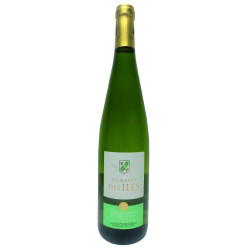
Folle Blanche: Origins and Particularities of this Unique Grape Variety
Folle Blanche is an emblematic white grape variety of the vineyards of western France. Long used to produce spirits such as Armagnac and Cognac, it is also used in the production of fresh and lively dry white wines. Thanks to its aromatic qualities and its beautiful acidity, Folle Blanche offers elegant and thirst-quenching wines, appreciated both as an aperitif and at the table. Discover how to enhance this grape variety with the best food and wine pairings and browse through this guide the origins, terroirs and aromatic particularities of Folle Blanche.
Folle Blanche at a glance
- Color: white grape
- Origin: Western France; historic variety grown since the Middle Ages (Nantes region)
- Regions: Western France: Gros Plant du Pays Nantais AOC (where it is called Gros Plant), IGP Val de Loire; also distilled for Armagnac and Cognac
- Profile: light, crisp and tangy dry whites with very high acidity
- Serving temperature: 8 to 10 °C
- Cellaring: generally best enjoyed young, while the wines are fresh and lively
Description and Origins of Folle Blanche
Originating from western France, Folle Blanche is a historic grape variety, cultivated since the Middle Ages. Initially widespread in wine-growing regions such as the Pays Nantais, it has long been used to produce spirits thanks to its high acidity. Its name comes from its exceptional vigor and its ability to produce fresh and light wines. With the appearance of phylloxera in the 19th century, Folle Blanche saw its presence reduced in favor of other grape varieties. Today, it is mainly cultivated in appellations of dry white wines and spirits.
The Main Terroirs where Folle Blanche is Cultivated
Folle Blanche is mainly cultivated in the Loire Valley and the South-West, where it expresses itself fully on oceanic terroirs and clay-siliceous soils. In the Pays Nantais, it plays an essential role in the production of white wines in IGP Val de Loire and AOC Gros Plant du Pays Nantais, fresh and iodized wines that are perfect to accompany seafood. In the South-West, Folle Blanche is also used to produce exceptional spirits such as Armagnac and Cognac, where it brings finesse and freshness.
Aromatic Particularities of Folle Blanche
Characteristics of Folle Blanche in a Dry White Wine:
Appearance: The white wine made from Folle Blanche has a pale color with green highlights, reflecting its freshness and youth.
Nose: The bouquet is dominated by aromas of citrus fruits (lemon, grapefruit), green apple, as well as floral notes such as hawthorn and acacia flower.
Palate: Folle Blanche offers a lively and light palate, with a marked acidity. It has citrus and apple flavors and a salty finish, typical of the wines of the Pays Nantais.
The Best Food and Wine Pairings with Folle Blanche
Here are our tips for creating perfect food and wine pairings with a bottle of white wine made with Folle Blanche:
- Oysters from Brittany (AOC Gros Plant du Pays Nantais on lies)
- Mussels marinière (IGP Val de Loire Blanc)
- Grilled sea bass fillet (IGP Val de Loire Blanc)
- Fresh goat cheese with herbs (AOC Gros Plant du Pays Nantais)
Folle Blanche, a historic grape variety from the Pays Nantais and the South-West, is distinguished by its freshness and natural acidity. Perfect for dry white wines and spirits, it is a must-have for gourmet tables. Discover our selection of dry white wines made with Folle Blanche on Avenue des Vins and let yourself be seduced by vintages coming directly from the estate or château of your choice
Serving Folle Blanche at the right temperature
Folle Blanche is best served well chilled, at around 8 to 10 °C. At this temperature its high acidity and citrus freshness come across as crisp and thirst-quenching, which is exactly what makes these dry white wines such lively aperitifs. Served too warm, a Folle Blanche quickly loses the tangy edge that defines it.
This same freshness explains why Folle Blanche is such a natural partner for seafood. Well chilled, its saline, lemony character sharpens oysters, mussels and shellfish, and echoes the iodized style of the Pays Nantais in the Loire Valley.
Folle Blanche and Gros Plant: one grape, two names
In the Nantes area, Folle Blanche is better known under another name: Gros Plant. It is the grape behind AOC Gros Plant du Pays Nantais, the crisp, tangy dry white traditionally served with the local seafood. Under either name, this is the same high-acid white grape of western France.
Beyond the Loire, Folle Blanche has long played a second role as a distilling grape. In the South-West it was historically grown to produce Armagnac, and it was also used for Cognac, where its sharp acidity made it well suited to distillation into fine, aromatic spirits.
Frequently asked questions about Folle Blanche
What is Folle Blanche?
Folle Blanche is a white grape variety from western France, also known as Gros Plant in the Nantes area. It is prized for its very high acidity and is used both for crisp, tangy dry white wines and, historically, for distilling spirits such as Armagnac and Cognac.
What does Folle Blanche wine taste like?
Folle Blanche produces light, crisp and tangy dry white wines with very high acidity. Expect citrus and green apple aromas, a lively palate and a saline finish typical of the Pays Nantais.
What temperature should you serve Folle Blanche?
Folle Blanche is best served well chilled, at 8 to 10 °C. At this temperature its acidity and freshness stay crisp, making it an ideal aperitif and a fine match for seafood.
What food pairs with Folle Blanche?
Folle Blanche is a classic match for seafood, especially oysters, mussels and other shellfish. Its high acidity and saline freshness also work well with grilled white fish and fresh goat cheese.