Delivery from €16,90 per winemaker in Europe (excluding the United Kingdom)


Vin de France
Situated between the Massif Central and the Pyrenees, the South-West vineyards stretch over 12 départements. The Vin de France category, created in 2009, designates wines without geographical indication (VSIG). These wines, which are not AOC or IGP, are often made from grape varieties the appellations do not authorize or from plots of land outside the appellation zone. Far from preconceived ideas, vins de France can reflect free, original and creative winemaking.
Filtrer


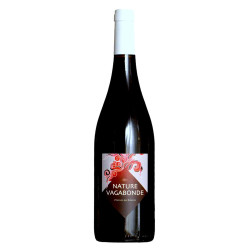


Vin de France: Six Grape Varieties Barred by EU Law
Without a protected designation of origin or a protected geographical indication, a Vin de France can come from any grape variety France has approved for winemaking. Some 300 varieties are recorded across the Southwest France wine basin, including about 130 native ones, yet each AOC there admits only the grapes on its own list.
Key figures
- Wine basin: 12 departments
- Southwest basin vineyards (excl. Dordogne): About 41,000 ha (101,300 acres), 2022
- Native grapes in the basin: 130 of 300 recorded
- Designations: About 19 PDOs and 12 PGIs (2022)
History of the Vin de France Category
The "Vin de France" category represents a modern milestone in the vast world of French winemaking. Introduced in 2009, this classification offers unprecedented flexibility to French winemakers, allowing them to create innovative wines while preserving the quality heritage that defines France, the quintessential wine country.
Climate and Terroir of the Vin de France Category
Unlike traditional French appellations with strict regulations, wines labeled "Vin de France" benefit from geographic freedom. They can be produced from grapes grown anywhere in France. This flexibility encourages winemakers to experiment with new methods and combinations, giving birth to unique and bold creations that venture beyond the traditional paths of AOC (Appellation d'Origine Contrôlée) and IGP (Indication Géographique Protégée).
Grape Varieties of the Vin de France Category
The "Vin de France" category is synonymous with diversity. It includes all varieties of wines – red, white, rosé, and even sparkling – allowing winemakers to play with an extensive palette of grape varieties, both native and international. This freedom is reflected in the range of wines available under this label, each bearing the unique imprint of its creator.
From Grape Collections to Southwest Appellations
In Southwest France, the basin's vineyard restructuring plan aims to bring forgotten historic grapes back into wines with a PDO or PGI, such as Bouysselet in the Fronton area. The French Vine and Wine Institute (IFV) closely follows some 30 varieties there, whether they already underpin the appellations or are being readied for the future.
Bringing back an old grape is not enough to make wine from it. In France, only a variety approved by the state can be planted to produce wine, Vin de France included; for winemaking, an unapproved variety may be planted only for trials or research.
A protected geographical indication offers another framework than the AOC, with rules of its own: the regional Comté Tolosan IGP, for instance, covers the whole basin. How the Vin de France category itself works is explained in detail on the Vin de France category page.
Style of Vin de France Wines
Although Vin de France wines offer great flexibility, quality remains a top priority for most winemakers who wish to step outside the traditional appellation guidelines. "Vin de France" wines must meet strict production criteria, ensuring that this freedom does not come at the expense of quality.
Consumers looking for novelties and eager to discover wines beyond classic appellations find in "Vin de France" an invitation to exploration. It opens the door to a new era of winemaking, where tradition meets innovation for the pleasure of the most curious palates.
Key Points about Vin de France Wines
-
Geographic and Experimental Freedom: Wines can be produced with grapes grown anywhere in France, allowing for great creativity.
-
Diverse Grape Varieties: The category includes a wide variety of grape varieties, both native and international, allowing for unique blends.
-
Maintained Quality: Despite the freedom, strict production criteria ensure the quality of the wines.
-
Innovation and Tradition: "Vin de France" combines traditional know-how with winemaking innovation, attracting winemakers and wine lovers to new and exciting experiences.
-
Accessibility and Discovery: This category is ideal for those who wish to explore wines off the beaten path of traditional appellations.
Native Grapes and Wine Law
How many native grape varieties does Southwest France have?
Southwest France has about 130 native grape varieties, out of some 300 recorded across its wine basin. Three grape families, the Carmenets, Cotoïdes and Folloïdes, belong to the region alone, and about a dozen vine collections keep that diversity alive.
How does a producer give up the AOC for a harvest?
A producer gives up the AOC on a plot by notifying the appellation's managing body no later than July 31 before the harvest. This rule applies when the appellation sets no terms of its own. The plot is then no longer presumed to be farmed under the AOC's rules.
Can Noah grapes be used to make wine?
Noah is one of six grape varieties that EU law excludes from winemaking, along with Othello, Isabelle, Jacquez, Clinton and Herbemont. No member state may approve them, and the ban applies to Vin de France as well. Vines whose harvest goes only to the grower's own household are, however, exempt from uprooting.
Where can you buy a Vin de France made from approved grapes direct from the winemaker?
A wine's status, whether AOC, IGP or Vin de France, does not change how Avenue des Vins works: it is a platform for buying straight from producers. Every wine's page gives the name of its producer.
See also: IGP Comté Tolosan - AOC Gaillac Wine - AOC Jurançon