Delivery from €16,90 per winemaker in Europe (excluding the United Kingdom)

Our current favorites
Taylors Temperature Challenge: the label that chooses the temperature of your wine
Taylors Wines Temperature Challenge: The Innovative Solution for Serving Wine at the Perfect Temperature
Taylors Temperature Challenge: An Australian Invention
Red wine is harmed by cold, and white wine suffers from heat. While this basic knowledge guides us to serve red and white wines at different temperatures, determining the ideal temperature for a wine can be quite challenging. This ideal temperature varies depending on the wine's color, grape variety, aging potential, region, and more. Many wine enthusiasts, especially those not well-versed in oenology, often serve their wines at approximate temperatures. In Australia, Taylors Wines claims that 82% of residents face this issue. To address this, the brand introduced a solution: thermochromic labels on their wine bottles.
How Does It Work?
The concept is straightforward: the label, attached to the back of the bottle, acts as a thermometer. A graduated bar indicates whether your wine is too cold, too warm, or at the optimal temperature (see the video below). Simply adjust the temperature until you reach the ideal one. This clever concept, however, currently applies exclusively to wines sold by Taylors, meaning you'll need to purchase their wine to test the idea, for now, at least.
Our Favourites Wines Selection : Our wines of the moment, picked straight from the grower and shipped at estate price. See the selection →
FAQ - Wine serving temperature
How does the Taylors Temperature Challenge heat-sensitive label work?
Attached to the back of the bottle, the label acts as a thermometer. A graduated bar tells you whether the wine is too cold, too warm or at the ideal temperature. You then adjust it until you reach the right mark.
Why does serving temperature change from one wine to another?
It depends on several factors: the wine's color, its grape variety, its aging potential and its region. This complexity is why many drinkers end up serving their bottles at an approximate temperature.
What temperature should you serve red and white wine at?
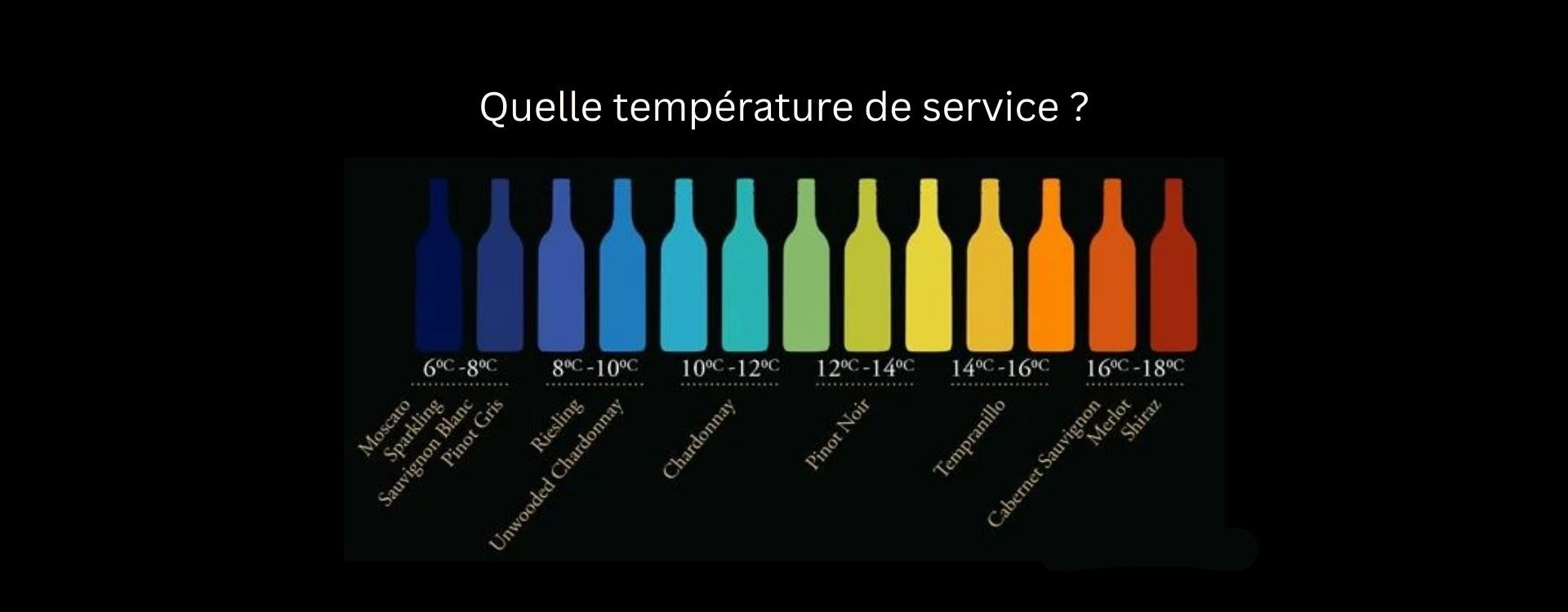
As a rule, red wine is served between 15 and 18 °C and white wine between 8 and 12 °C. Red suffers from cold and white from heat, so let a red warm up a few degrees and chill a white before serving.
Can you put the Taylors label on any bottle?
No. For now the label only comes on wines sold by Taylors. To try the concept, you need to buy a bottle from the brand.
Why shouldn't you serve red wine too cold?
Cold locks in the aromas and hardens the tannins of a red, which then tastes closed and angular. At the right temperature it releases its fruit and feels rounder. A white served too warm, on the other hand, loses its freshness.