Delivery from €16,90 per winemaker in Europe (excluding the United Kingdom)

The Sommelier's Tips
Oenology: how to interpret a wine's color?
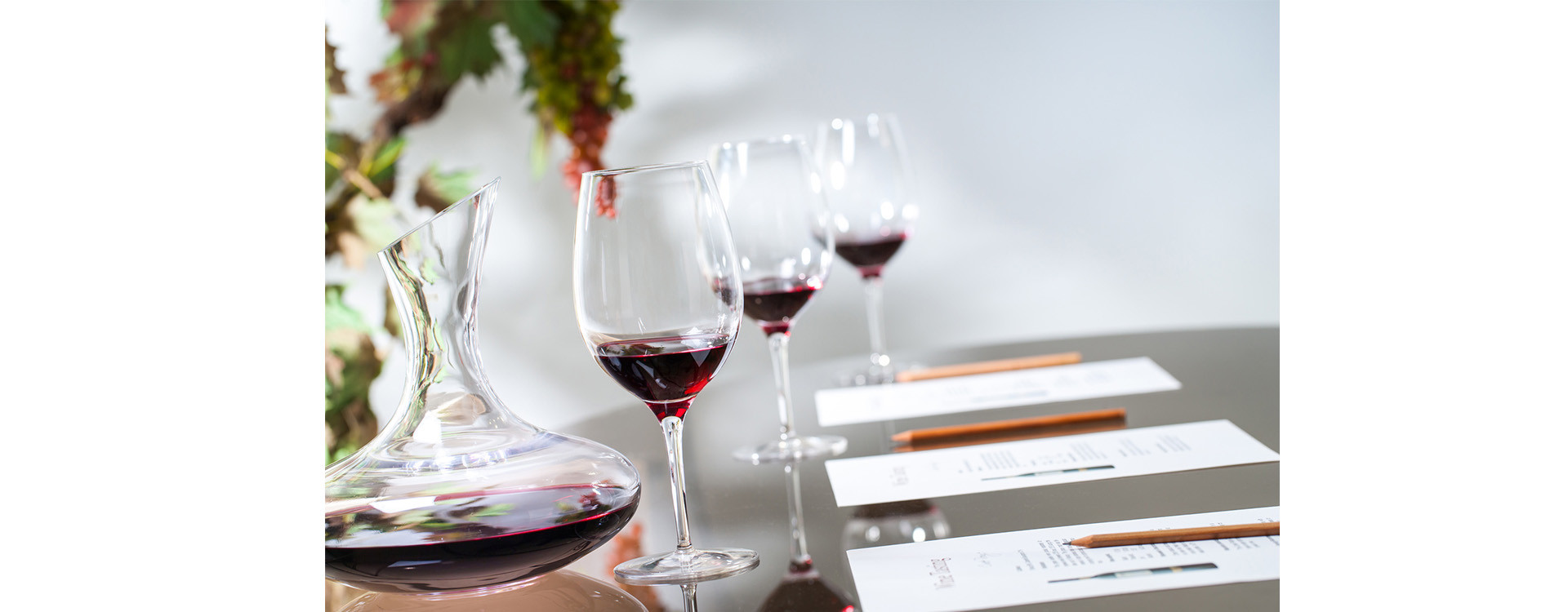
Oenology: How to Interpret a Wine's Color?
Wine is perceived through three senses: sight, smell, and taste. These are referred to as color, bouquet, and flavors. The greatest wine tasters use a careful exploration of all these signals to identify a wine's particularities, its distinctive signals, or simply to enjoy the winemaker's work and the terroir’s fruit.
We often hear about the aromas and flavors of wines, frequently noted on our favorite bottle labels. However, the visual aspect of tasting is often relegated to a simple mention: light color, garnet color, etc. This is a mistake, as the visual aspect holds numerous clues about the wine you're tasting.
The Color of Wine: An Essential First Sensory Contact
Even before aromas rise from the glass, it is the color of the wine that sets the tone for the tasting. This is not merely an aesthetic criterion. This visual elegance offers the taster important clues about the wine’s age, concentration, and even its winemaking method.
One can observe coppery reflections in certain mature red wines or sweet wines, signaling a slow and controlled evolution. These nuances often appear on the rim of the wine, visible when the glass is tilted. A young wine will typically display purplish hues, while an evolved wine will present brick, tile-like, or even orange tones. Similarly, white wines take on golden-yellow shades with age, ranging from pale and shimmering to deep gold, and finally amber for sweet wines or long-aged whites. These visual details serve as true indicators of the wine’s structure, revealing its density, level of extraction, and even its aging potential. Observe the tears running down the glass walls, along with the brilliance, clarity, and color nuances of the rim: all of these elements allow you to anticipate the texture and aromatic power of the wine long before tasting it.
What is a Wine's Color?
A wine's color consists of all the visual signals that characterize the wine when it’s in your glass. It is defined by:
- Clarity: Some wines are cloudy while others are perfectly clear. Most wines are clear but can also show faults or be intentionally unfiltered (e.g., natural wines).
- Color: Wine can be white, red, or rosé, but each of these can display a range of colors. For instance, a red wine may appear violet or brownish.
- Intensity: Colors can be more or less opaque. A wine can be garnet red and transparent, or garnet red and opaque, for example.
- Meniscus: The meniscus is the curved part at the edge of the liquid. When you tilt your glass, the ring formed by the wine’s edge can be completely transparent or golden.
- Thickness and Pigmentation: These are detected by swirling the glass and observing the droplets that descend along the glass, known as "legs" or "tears."
How to Interpret?
While the color provides valuable clues about the wine, it can't give you the vintage, the appellation, or the specific cru by mere visual examination. Aromas, bouquet, acidity, and all other tasting signals are necessary to identify the grape varieties.
The color helps identify two main parameters:
It Indicates the Age of a Wine
As a wine ages, whether white or red, its color evolves. Red wines transition from purple, ruby, and garnet to more brownish hues. White wines turn golden and become more amber. The meniscus, which is clear like water in young wines, also turns golden with age (both red and white). While careful examination of the color won’t reveal the vintage, it can indicate whether a wine is young, maturing, or old.
Our Must-have Wines Selection : Train your eye on our essential wines, picked straight from independent winemakers and shipped at estate prices. See the selection →
It Provides Information on the Wine’s Body
The opacity of a wine and the thickness of its legs are two criteria that help identify the wine's body. However, body can be attributed to various factors that are difficult to discern by sight alone.
For red wines, an opaque color indicates a likelihood of pronounced tannins. This generally suggests a tannic grape variety and potential aging in oak barrels. Thick legs on red wines may indicate residual sugars or high alcohol content.
For white wines, opacity is rarer. When it occurs, it often has an amber aspect and indicates age or pronounced sweetness. Marked legs on a white wine will also suggest a full body, which may be due to high sugar or alcohol content. White wines aged in oak barrels and those undergoing malolactic fermentation will also be fuller-bodied than other white wines. These clues help differentiate mineral white wines from rounder white wines and sweet white wines.
Using the Color of Wine in a Blind Tasting
In the context of a blind tasting, where the senses must compensate for the absence of a label, analyzing the wine’s color becomes a strategic asset. It allows tasters to form hypotheses about the grape variety, winemaking method, aging process, or even the wine’s age. For example, a very dark and opaque color may suggest a grape like Malbec, Tannat, or Syrah, whereas a light, translucent red might point toward a young Pinot Noir or Cinsault.
In the same way, an intense golden hue, almost coppery, may signal an oxidative white wine or one that has undergone long barrel aging. The level of alcohol or residual sugar can be inferred through thick tears or the apparent viscosity of the wine. While the color alone can never reveal with certainty a vintage or appellation, it remains a fundamental element for refining analysis and guiding first impressions during a tasting without reference points.
Bonus Tip: Create Your Own Downloadable Observation File
For enthusiasts wishing to deepen their wine knowledge, it can be useful to keep a personal downloadable file, such as a tasting sheet. You can create one yourself or find such documents as downloadable resources through certain wine clubs.
Recording the observed color nuances, clarity, tears, coppery or golden-yellow reflections, as well as your first hypotheses (grape variety, age, aging method), helps you progress quickly in sensory analysis. This type of file, which you can organize in the form of a table or evaluation grid, provides an excellent basis for comparing different tastings and aids in better memorizing the visual subtleties of each wine.
Learn more about the world of wine and tasting by browsing our latest articles and popular features on Avenue des Vins. There you can discover the finest cuvées delivered directly from the estate, along with all our advice to fully appreciate them!
Our Must-have Wines Selection : Train your eye on our essential wines, picked straight from independent winemakers and shipped at estate prices. See the selection →
FAQ - The colour of a wine
What does a wine's color reveal?
The color mainly points to two things: the wine's age and its body. It cannot give you the vintage or the appellation, but it shows whether a wine is young, maturing or evolved, and hints at its density.
How does a wine's color change with age?
As they age, red wines shift from purple and ruby toward garnet, then brick or tile-like tones. White wines turn golden and then amber. The rim, clear in a young wine, takes on a golden tint over time.
What does an opaque or very intense color mean?
In a red, an opaque color often signals firm tannins, a tannic grape variety and possible oak aging. In a white, opacity is rare and usually points to age or pronounced sweetness rather than to structure.
Can you guess a wine's grape variety from its color?
Color alone is not enough, but it guides you. A very dark, opaque hue suggests Malbec, Tannat or Syrah, while a light, translucent red points more toward a young Pinot Noir or a Cinsault.
What is the rim or meniscus of a wine?
The rim is the ring the wine forms at the edge of the glass when you tilt it. Transparent in a young wine, it turns golden with age. Watching it helps you place the wine's maturity before you even smell it.


