Delivery from €16,90 per winemaker in Europe (excluding the United Kingdom)

Portraits of winemakers
Château Haut-Pradot: between tradition and creativity
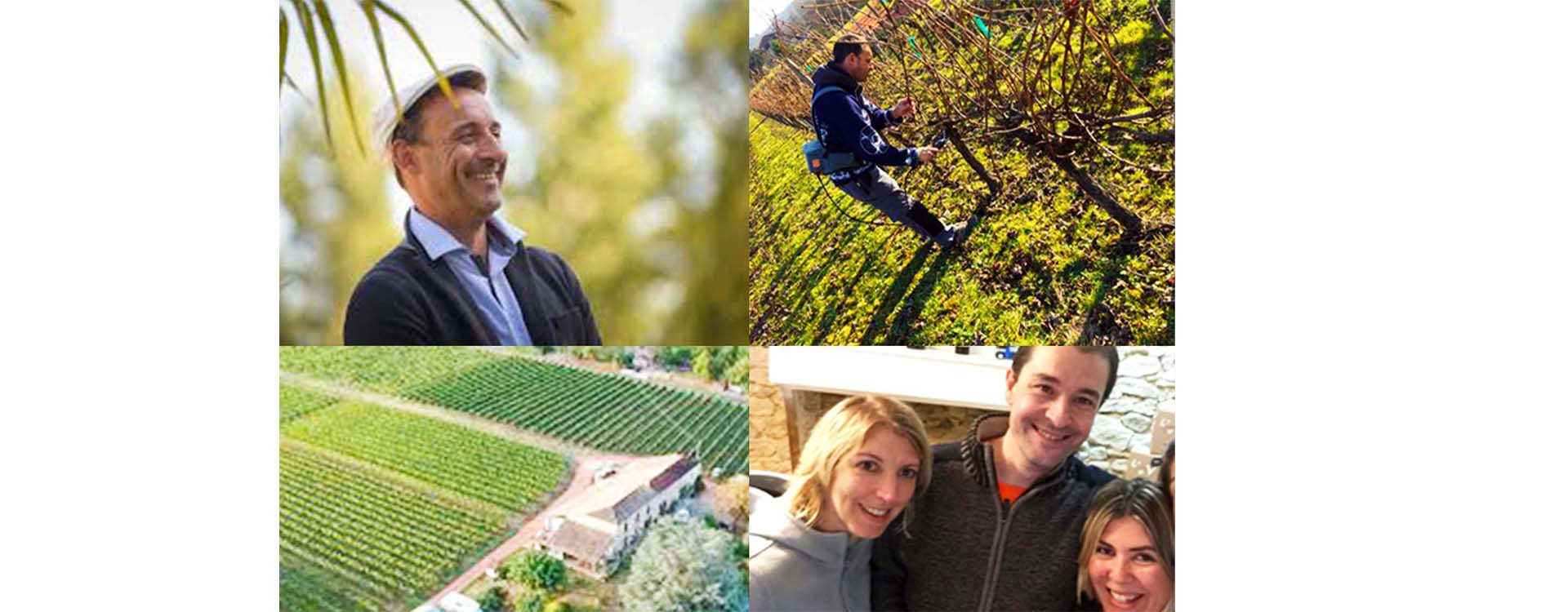
Château Haut-Pradot, listed on Avenuedesvins, embodies an ethical and philosophical approach that aligns with our commitment to short supply chains. Certified Haute Valeur Environnementale and transitioning to organic farming (with certification expected in 2023), the estate aims to minimize its ecological impact and bring the production closer to the consumer through a direct producer model. Managed by the Fazembat family for five generations, Château Haut-Pradot is situated in the heart of Entre-deux-Mers in Bordeaux. The estate spans 14 hectares and produces a diverse range of wines, including reds, rosés, whites, and sparkling varieties. Elodie and Benoit, passionate and discerning gourmets, also craft unique wine-based products such as red wine salt.
What led the estate to convert to organic farming?
A vineyard transitioning to organic farming
More than just a label, this transition reflects a return to traditional labor values. In 2020, the Fazembat family decided to shift to organic farming, culminating a successful run of sustainable agricultural practices and aligning with their core beliefs. The vineyard is certified Bordeaux AOC (Appellation d'Origine Contrôlée). The estate’s ten hectares of Merlot, Cabernet Sauvignon, and Malbec are used for red and rosé wines. The red wine blend consists of 20% Merlot and 80% Cabernet Sauvignon, while the rosé, made entirely from Merlot, showcases fruity aromas. The remaining four hectares are dedicated to Sauvignon Blanc, Sémillon, and Chardonnay for white wines. Additionally, in 2019, the Soreli grape was introduced due to its disease resistance, and anticipation is high for its contribution to the vineyard.
What sets the estate's range of products apart?
Innovative wine-based products
The introduction of non-traditional Bordeaux grape varieties like Soreli and Chardonnay highlights the estate's pursuit of novelty. Benoît and Elodie are constantly exploring new and exciting products. The upcoming vintage will feature two new releases: a single-varietal Malbec and a prestige cuvée aged entirely in oak barrels. Their creativity extends beyond wine, with innovations such as red and white wine salts, wine-soaked prunes, wine jellies, oak-aged wine vinegar, and honey made from summer-blooming flowers on the estate. This inventive spirit allows them to broaden the wine experience for a wider audience, promoting the vineyard as a playground for curiosity and family engagement in viticulture.
Which wine would you recommend to discover the estate?
Tasting the cuvée Elo
We have tasted the cuvée Elo, a 100% Chardonnay, and recommend you explore this original, taut, fresh, and pastry-like white wine in our video. It’s a great introduction to the Fazembat family's work.
Frequently asked questions about Château Haut-Pradot
Where is Château Haut-Pradot located?
The estate covers 14 hectares in the heart of Entre-deux-Mers, within the Bordeaux vineyard. The Fazembat family has run it for five generations, under the Bordeaux appellation.
Which grape varieties grow at the estate?
Ten hectares are planted with Merlot, Cabernet Sauvignon and Malbec for reds and rosés. The other four carry Sauvignon Blanc, Sémillon and Chardonnay for whites. Soreli, added in 2019, was chosen for its resistance to disease.
Is Château Haut-Pradot farmed organically?
The estate holds the Haute Valeur Environnementale certification and began its organic conversion in 2020, with certification expected in 2023. The move builds on years of sustainable farming.
What wines does the Fazembat family make?
The range spans red, rosé, white and sparkling. The red blend leans on Cabernet Sauvignon, while the rosé is pure Merlot. The Elo cuvée, all Chardonnay, gives a taut, fresh white.
Does the estate offer more than wine?
Yes. Elodie and Benoit turn the grape into many products: wine salts, wine-soaked prunes, jellies, oak-aged vinegar and even a honey gathered from flowers that bloom across the estate in summer.